

A federal judge has set a May 24, 2026, trial date over whether the federal government is properly carrying out black lung screening through the National Institute for Occupational Safety and Health.
The trial date was set in a broader scheduling order filed by U.S. District Judge Irene Berger in Charleston. It is possible the participants in the lawsuit could resolve their differences before then. It is also possible for a trial to be bumped to a later date.
Lawyers representing the U.S. Department of Health and Human Services have already asked Judge Berger to throw out the suit, but that has not happened.
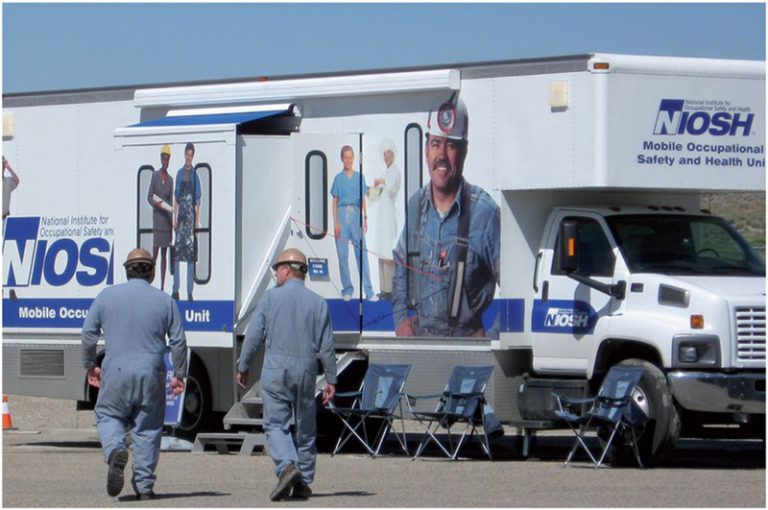
Questions still remain about whether the National Institute for Occupational Safety and Health is fully able to carry out federally required black lung screening functions after reductions in force affected the agency.
Hundreds of workers at NIOSH, including the facility in Morgantown, were informed earlier this year that they would lose their jobs in line with the administration’s Department of Government Efficiency initiatives. NIOSH conducts research and makes recommendations about preventing work-related injuries and illnesses.
The Respiratory Health Division focuses on preventing work-related respiratory diseases and improving worker health. The Coal Workers Health Surveillance Program studies respiratory disease in miners and provides health screenings and information, particularly about black lung.
A Kanawha County coal miner named Harry Wiley filed federal suit on April 7 on behalf of himself and others potentially affected by the loss of the Coal Workers Health Surveillance Program. Wiley is represented by attorneys from organizations like Mountain State Justice and Appalachian Mountain Advocates.
The lawsuit noted that the federal mine safety statutes since 1969 have afforded American coal miners a medical screening and epidemiological surveillance program, along with a unique right to transfer to a non-dusty job if they begin developing early signs of occupational lung disease.
That work has been taking place at NIOSH in Morgantown.
Last month, Kennedy confirmed the return of 110 workers to various roles at NIOSH in Morgantown.
The Respiratory Health Division, Division of Safety Research and National Personal Protective Technology Laboratory were brought back.
More than a hundred more workers in other roles have not returned.
Lawyers for the federal government certified last month that although that reduction in force notifications for the Respiratory Health Division at NIOSH have been rescinded, the agency still faces challenges in fully supporting screening efforts — contracting for chest X-rays, promoting events, and ensuring consistent funding.