

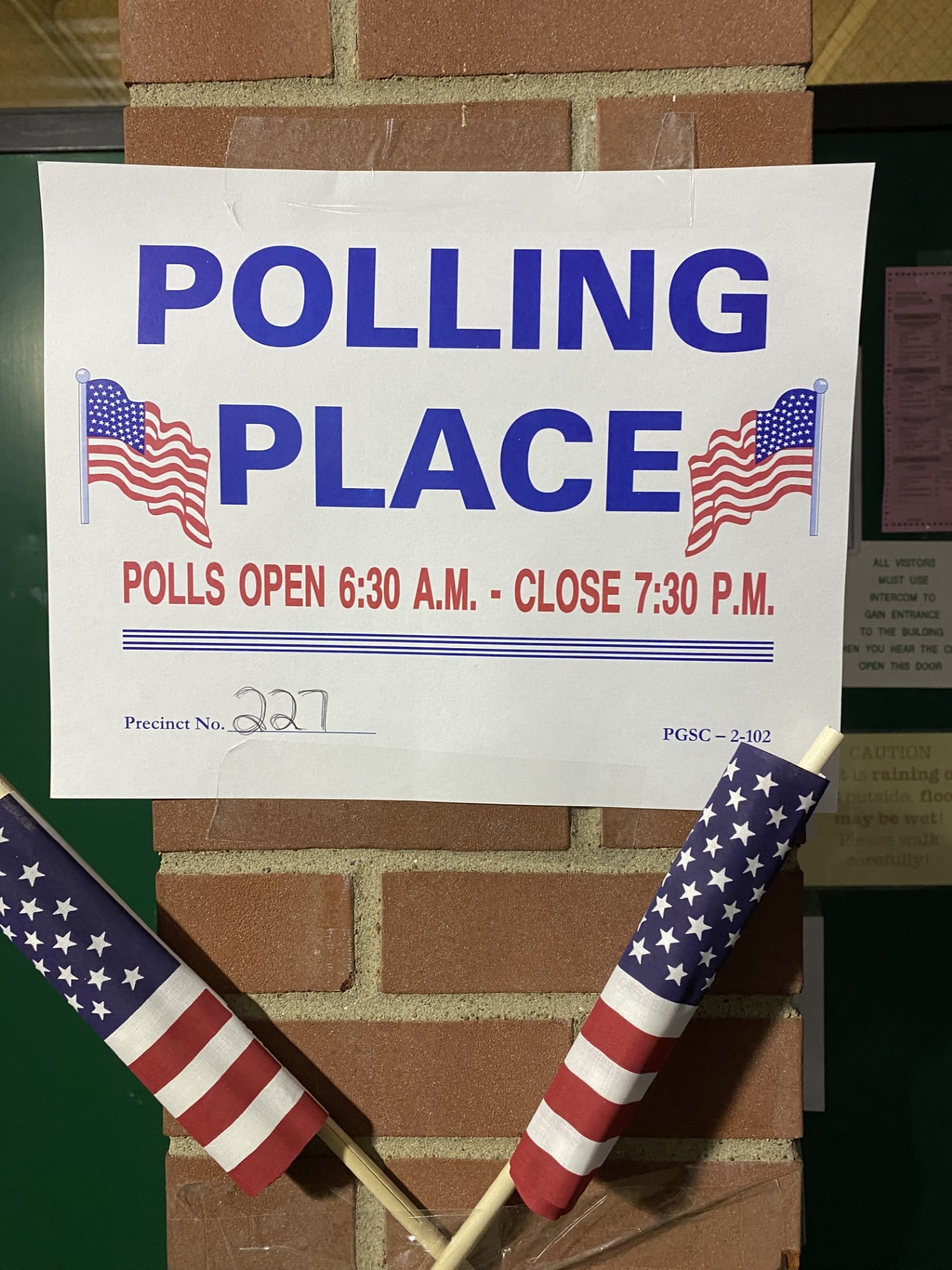
CHARLESTON, W.Va. — For the first time since the mid 1980’s, the Republican Primary election in West Virginia will be closed.
“We’ve been preparing for this here at the party for the last several months,” said GOP Chairman and Boone County Delegate Josh Holstein. “Back in 2024 prior to my chairmanship, this decision was made, and it’s been maintained in the last several executive committee meetings, so I wasn’t particularly surprised that it was maintained again this time.”
Members of the Republican Executive Committee affirmed the decision during a meeting over the weekend in Charleston.
Holstein said Monday on MetroNews “Talkline” that a motion was made to consider the primary election issues under New Business. That was followed by a motion to postpone debate indefinitely that was accepted on the floor.
“I don’t want to say there wasn’t a vote on it because I don’t think that’s accurate,” Holstein said. “I think the reflection of the vote on the postpone indefinitely motion was equally as valid as it would have been on the motion itself. “Holstein said he would have preferred to hold a secret ballot vote to determine the fate of the May primary.
“That was my biggest disappointment of the day, and I shared that with most of the members. I would’ve preferred to see a secret ballot at least,” he said. “There was a motion made on the floor to vote by way of roll call, which was shot down, and then there was also a motion after that to vote by secret ballot which was also shot down. As chairman, my job is to follow the rules and what the parliamentarian says and the only option after those two motions were shot down was a voice vote.”
In Monongalia County, more than 19,000 unaffiliated and independent voters will be locked out of the May Primary.

“That’s one-third of the voters in Monongalia County that are not going to be able to vote Republican in the May primary,” said Monongalia County GOP Executive Committee Chairman Dale Sparks.
Sparks says Monongalia County and other larger counties with large numbers of unaffiliated and independent voters could eventually threaten the supermajority held by Republicans in the state.
“We’re going to lose some seats, I’m afraid,” Sparks said. “It’s just not going to be good—we’re really going to upset the 19,100 unaffiliated and independent voters in Monongalia County.”
Sparks also maintains that party leaders determined two members of the Resolution Committee were appointed from the wrong district and were ineligible. The procedural move prevented county party organizations from bringing the issue to the floor for a full debate.
Despite the frustration on some ends, a decision has been made, and Holstein says the focus now moves to getting the word out.
“We’ve made plans to start out independent outreach to reach out to voters,” Holstein said. “We’ve got a whole schedule of things prepared. Mail, digital, radio, billboards, and everything you can think of.”
“We’re going to let voters know that this decision has been made and for those Independents that have voted in the Republican Primary in the past and would like to continue doing so, we’re going to invite them with open arms and ask them to help up grow our party,” he continued.
Holstein maintains that this vote is not as impactful as some are making it.
“Less than 10 percent of registered Independents actually vote in the Republican Primary,” Holstein said. “We know who has participated and who has not, and we plan on contacting those individual voters to let them know that this change has been made.”
He continued by saying that he doesn’t think it will hurt the party in the future General Elections.
“Independent voters in this state have overwhelmingly supported Republicans,” Holstein pointed out. “I think it’s really far-fetched to say that they’re going to throw out all their values that they care about on the social issues, their economic outlook, and the things that they care about on a multifaceted front just because of a party rule that impacts less than 10 percent of those that participate in the Primary.”