

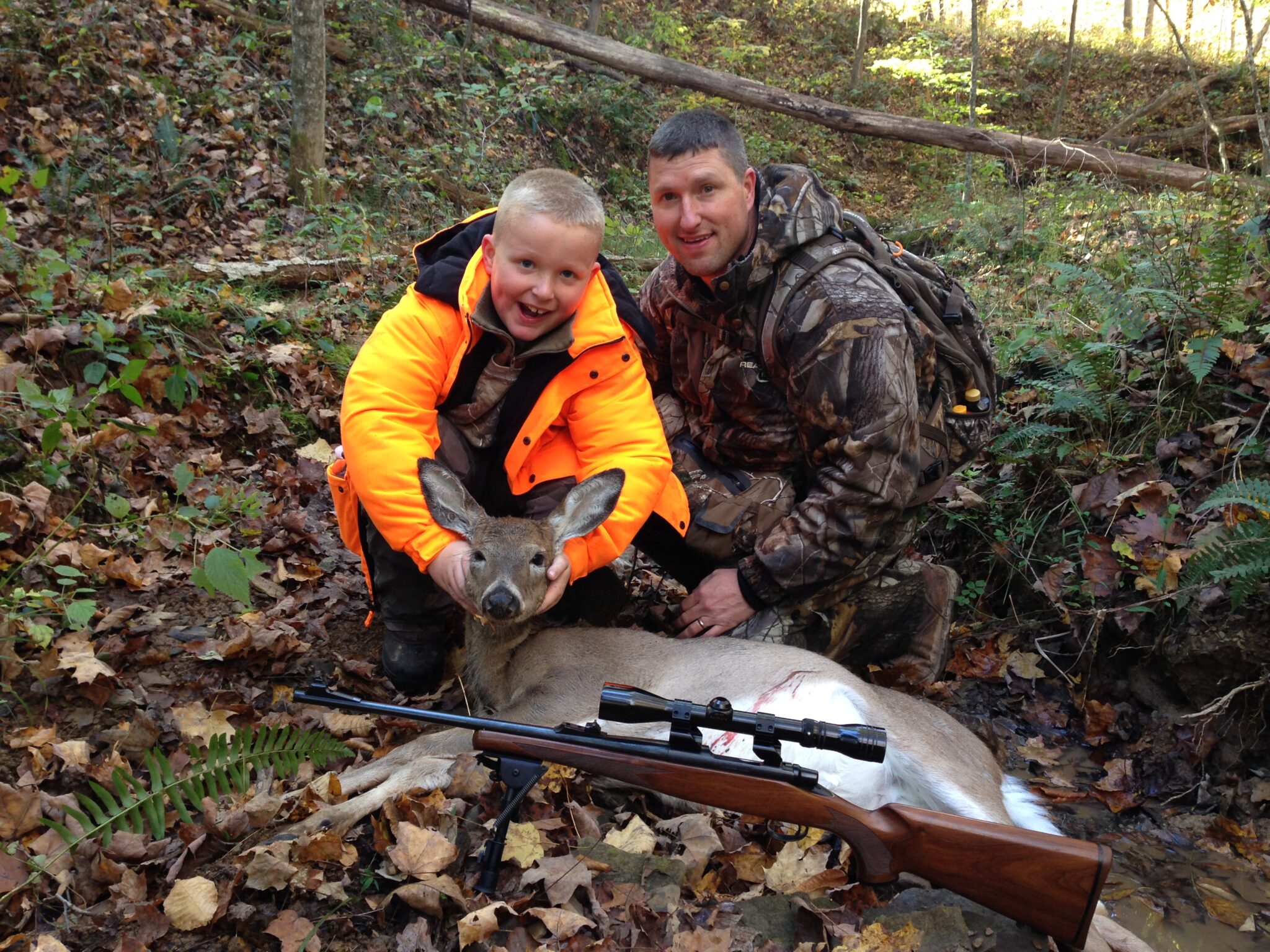
CHARLESTON, W.Va. — When the 2026 Youth deer season opens this fall, youngsters in the field will be able to kill a doe or a buck. The West Virginia Natural Resources Commission approved the measure during their second quarterly meeting. However, the measure didn’t happen without some concern.
“Between all the meetings and banquets and stuff, this was a concern for a lot of people,” said Commissioner Lauren Winans. “The timing is a concern. Making children competitive is a concern and coming up with buck-only hunters. Those are just a few of the comments, certainly the world is competitive enough and we don’t want buck only kids out there.”
The youth season is split into two weekends, October 17-18 and December 26-27. Some sportsmen have raised concern about the potential for killing too many bucks before the rut and before the deer get a chance to breed does.
Commissioner Janet Hamric Hodge had similar concerns.
“I haven’t seen a study on how this would affect breeding season. It’s been mentioned by a few speakers and I think that would be pretty important before we made a decision of this magnitude,” she offered during the meeting.
DNR Assistant Chief for Game Management Steve Rauch set there were no reservations as far as the potential impact on the population.
“The 10 year average for both seasons combined is 1852 deer. We feel biologically there’s not going to be a biological impact with this proposal,” said Rauch.
However, this would have been a greater concern if the Legislature had not acted to amend the law which created the XS license. Under the original law, that Senior Lifetime License extended all privileges youth and class Q hunters enjoy to the holders of a senior license. DNR administrators were concerned since three are 70,000 Class XS license holders. That many could have been detrimental to deer numbers. The Legislature passed a measure which disallowed the buck hunting privilege from being extended to the senior hunters.
Commissioner James Bailey was fully in favor of the measure.
“I just come back to if it’s good for kids and it’s good to encourage people to get out there. The comments I’ve read indicate people are worried some people will take advantage of it, but that’s the case with anything we do and that’s not a reason not to do it.”
Bailey referred to some who feared adults would seize the opportunity to kill a buck, but claim the child killed the deer making it legal. He suggested such activity should be policed and enforced, but was not reason to oppose the idea.
When the youth antlerless season was implemented in the 1990’s it was designed as a mentor season. The idea originally was to allow youth hunters into the woods ahead of adult hunters to increase their odds of success. Youth must be accompanied by a licensed adult hunter, who must be close enough to render advice and may not carry the gun.
There was a severe need in those days to kill more antlerless deer in West Virginia. The season was looked upon as a way to increase the antlerless harvest and simultaneously teach children the importance of harvesting the female segment of the population. There were many at the time who believed it would be best for a youth hunter to cut their teeth on does and graduate to an antlered buck as they became more experienced and knowledgeable about hunting. Therefore the allowance for a buck now is quite a departure from how the season was originally designed.
Winans offered an amendment to the measure to allow for the buck harvest only in the December half of the split youth season. The amendment failed for lack of a second. The change allows the youth hunter to take only one buck during the youth season and it will count toward the youngster’s overall bag limit.
“I’ve got a five and a three year old. I worry if I have them out there and a buck comes along, instead of excitement they’ll be experiencing disappointment,” said Bailey.
The measure passed on a voice vote with no opposition.