

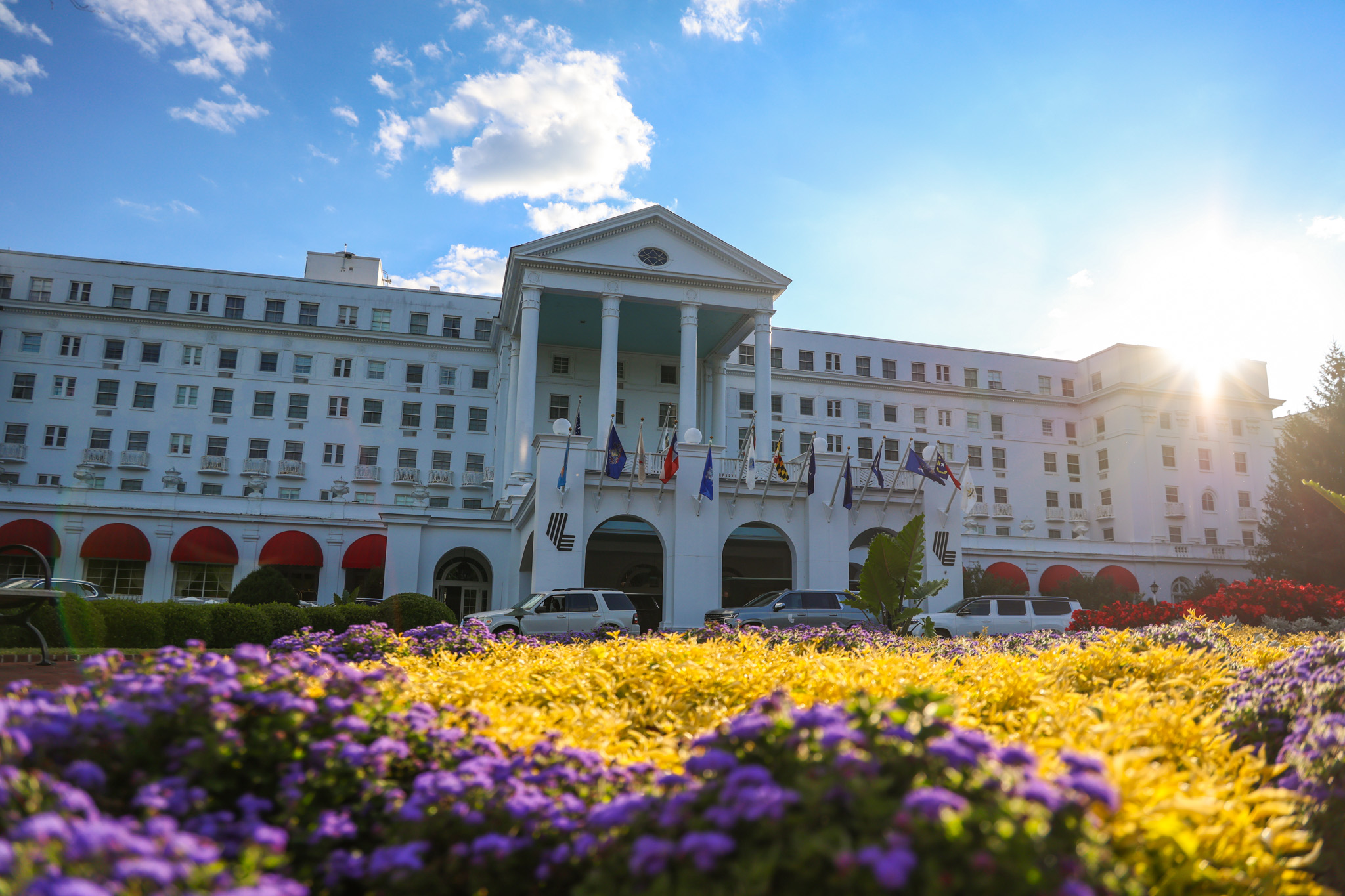
Senator Jim Justice and his family business organization announced they have secured financing to fully satisfy the loans at the center of a conflict between the owners of The Greenbrier and an affiliate of Omni Hotels & Resorts.
The financing transaction is expected to close in or around late June 2026, according to the Justices.
The announcement does not name a specific lender or provide a financial figure.
The Justices, in the announcement, say the financing will satisfy all obligations that have been at the core of the conflict with White Sulphur Springs Holdings, an affiliate of Omni, while also providing funding to resolve other outstanding obligations.
“This financing represents a major vote of confidence in The Greenbrier, its future, and its enduring place as one of the most iconic resorts in America,” said Dr. Jill Justice, president of The Greenbrier, in the announcement.
“It secures the resources necessary not only to satisfy the obligations at issue in this litigation, but also to make substantial long-term investments that will strengthen and preserve The Greenbrier for generations to come.”
The Justices say the financing also will position the historic resort for significant long-term growth and investment.
The announcement indicates the transaction includes substantial new capital investment into The Greenbrier that will “support continued modernization, enhancements to guest experiences, preservation of the property’s historic character, and long-term investments designed to ensure the resort remains one of America’s premier destinations for generations to come.”

The historic resort is owned by Senator Jim Justice and his family, who purchased The Greenbrier out of bankruptcy in May 2009. Since then, it has remained a central asset of the Justice family business empire even as financial troubles have swirled.
Their lender was Carter Bank & Trust of Martinsville, Va., which went through periods of conflict with the Justices as the original debt ballooned.
This past March, the Omni Hotels associate White Sulphur Springs Holdings bought nearly $300 million in first-lien debt on The Greenbrier and related properties from Carter Bank. The holding company does not own the hotel but does own the debt.
The newly formed White Sulphur Springs Holdings is an affiliate of Texas-based TRT Holdings, which is owned by Texas billionaire Robert Rowling, whose son Blake serves as the company’s president. Their Omni hotel company operates more than 50 luxury properties, including The Homestead, which is less than an hour from The Greenbrier.
Days after the debt purchase, White Sulphur Springs Holdings asked for receivership for the hotel, contending the Justices have been diverting profits to other interests while building up deferred maintenance, putting the collateral at risk.
The holding company also asked a federal judge for a temporary injunction order that would push the Justices out of hotel control.
The Justices responded by filing a local lawsuit in Greenbrier County, contending that Carter Bank and the owners of White Sulphur Springs Holdings, Texas billionaires Robert and Blake Rowling, had colluded and improperly used insider information to gain control of the Greenbrier Hotel debt.
Today’s announcement does not specify whether either lawsuit would be dismissed, although it alludes to ending the litigation.
The announcement also does not specify whether White Sulphur Springs Holdings has accepted a payout on the debt. White Sulphur Springs Holdings and TRT had not put out statements of their own.
“We are very pleased to have reached a financing agreement that will end the baseless litigation brought by an affiliate of Omni,” said Steve Ruby, a Charleston attorney representing the Justice family.
“This transaction will eliminate the distractions that have affected The Greenbrier since earlier this spring and remove any doubt about its financial stability. Most importantly, it allows ownership and management to remain fully focused on continuing the proud tradition, growth, and world-class guest experience that have defined The Greenbrier for more than two centuries.”