

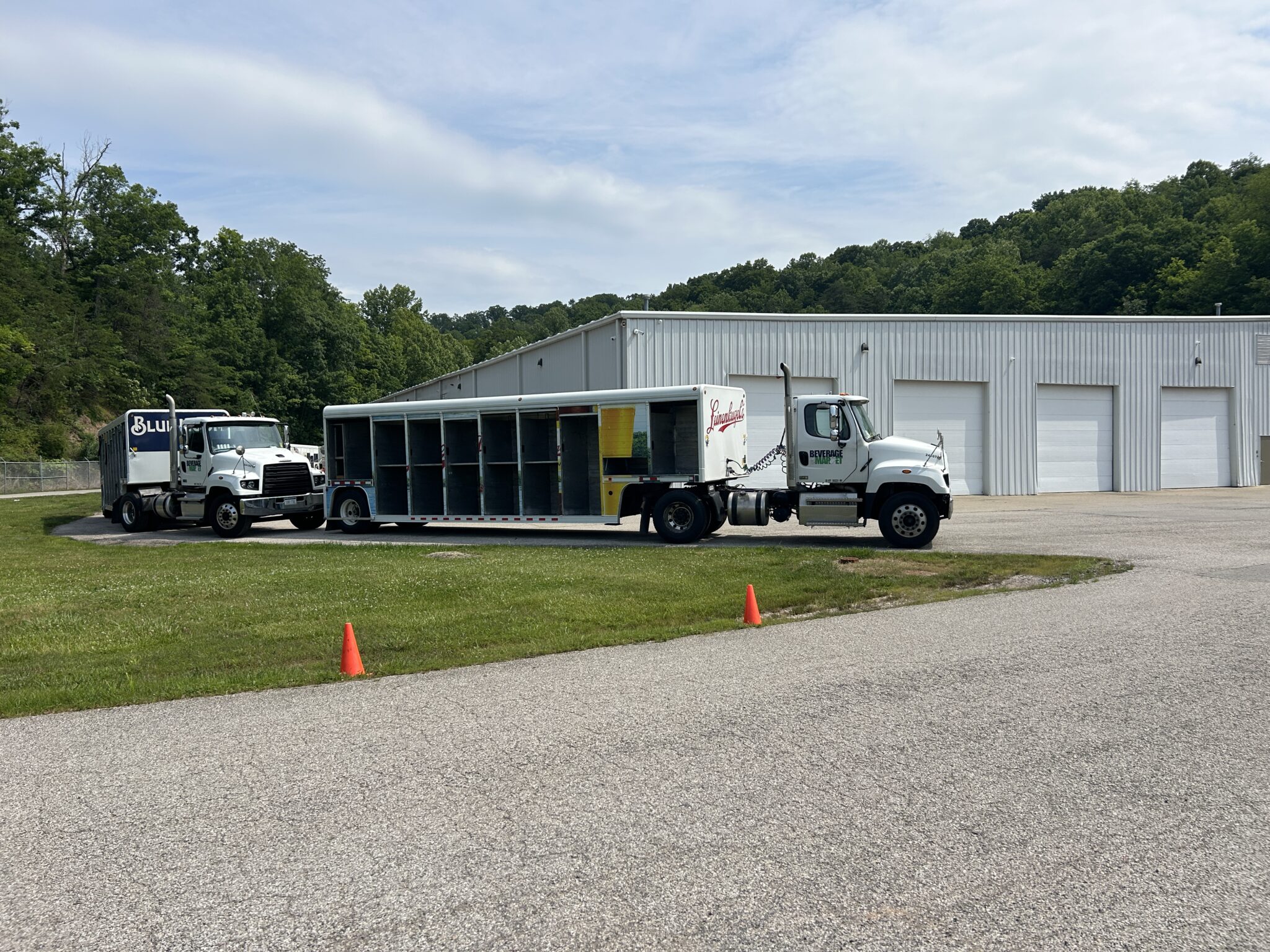
SISSONVILLE, W.Va. — The beer distribution company involved in an ongoing labor dispute with 49 striking workers has released more details about contract negotiations.
The Beverage Market is based in Sissonville and distributes products to 31 counties and 1,900 customers in West Virginia. The striking workers are members of the Teamsters Local 175 union.
The most recent contract between the company and union expired May 2. Ten days later, the workers went on strike. They’ve been on the picket line ever since. Among the concerns from the striking workers have been cuts to retirement and increases to health insurance costs.
MetroNews received a statement from The Beverage Market Friday. The company said the release is to “offer factual context” about the latest negotiations related to compensation, health insurance, retirement benefits, paid time off, and the attendance policy.
The Beverage Market said the bargaining unit’s annual pay is between $51,000 and $120,000, with the average salary for drivers at $111,653. The company added that drivers can earn up to $140,000 each year depending on attendance, hours worked, and route assignments.
Health insurance costs per week for each employee is $25, per the company.
Teamsters Local 175 Secretary-Treasurer Luke Farley accused The Beverage Market earlier this week of wanting “to eliminate portions of employee retirement.” The Beverage Market maintained that its proposal includes a continuation of a company 401(k) match based on years of service. Workers with 1-7 years of service receive a 25-percent match, 8-14 years of service workers receive a 35-percent match, and workers with 15+ years of service earn a 50-percent match.
The company noted the change would be with an “additional employer contribution.” Under the most recent contract, employees earned an additional paycheck between $100 and $125. That additional paycheck would go away, under the current proposal from The Beverage Market.
“The company believes preserving the existing 401(k) match while modifying the additional employer contribution represents a more realistic long-term retirement benefit,” The Beverage Market stated.
MORE — Teamsters Local 175 strike wages on against The Beverage Market in Kanawha County
The statement also addressed paid time off and the company’s attendance policy. Employees received between 23 and 57 paid days off under the contract that expired in May. The number depended on how long they’ve been on the job, according to the company. The Beverage Market said new employees earned 23 paid days off, “mid-range” employees earned 42 paid days off, and the “most senior” employees received 57 paid days off.
Those paid days off included vacation, personal days, holidays, sick leave, and funeral leave.
The Beverage Market’s attendance policy under the most recent contract was based on an “occurrence-based system.” This was in contrast to tracking absences by individual days missed.
“Employees receive up to 12 attendance occurrences (an occurrence is a documented event) within a rolling 12-month period before disciplinary action may occur,” the statement said. “An attendance occurrence is defined as a single consecutive period of absence, regardless of its duration. For example, whether an employee is absent for one day or 30 days, the entire absence is counted as one occurrence.”
Because that attendance policy opened the door for extended leaves, the company said it suggested alterations to that going forward.
“The Beverage Market believes this policy has created operational challenges by limiting its ability to address extended absences while maintaining consistent staffing levels and customer service. As a result, the company has proposed changes to the attendance policy as part of the collective bargaining process to improve operational reliability while continuing to provide employees with reasonable attendance protections.”
The Beverage Market also described what Local 175 has proposed at the bargaining table.
“While public statements have suggested that the bargaining unit is not seeking additional compensation or benefits, the proposals exchanged at the bargaining table have included requests for significant changes to wages, benefits, scheduling, and job responsibilities.”
According to the Beverage Market, Teamsters Local 175 has asked for $15 per hour pay increases over the next three years, 51-percent driver pay increases, and an approximately 118-percent helper base pay increase “for delivering products and commission-based compensation for delivering products sold by the company’s sales team, along with requests to remove several existing job responsibilities, including accountability for payment collection, truck washing, retrieval of out-of-date product, installation of point-of-sale materials, and inventory counts on the truck.”
“Further, the bargaining unit has proposed reducing delivery frequency to lower-volume accounts, limiting delivery personnel to waiting no more than 15 minutes when a customer is not open at the time of delivery while remaining eligible for compensation for the attempted delivery, and eliminating merchandising responsibilities for accounts that place their own orders.”
The Beverage Market’s statement indicated that these requests would be detrimental to operations.
“The company believes these proposals could result in additional redeliveries, reduced service flexibility, and increased operational demands,” the statement read.
There have been other requests from Teamsters Local 175 at the bargaining table, The Beverage Market said.
“Additional proposals included increasing paid time off, expanding company-funded CDL training, requiring weekly payroll, providing a clothing and shoe allowance, expanding certain retirement benefits, and providing additional monthly contributions to qualifying retirees.”
At the conclusion of the statement, The Beverage Market held that it wants to come to an agreement with the striking workers and continue its mission of delivering to customers.
“The Beverage Market remains committed to negotiating in good faith and reaching a fair, responsible, and realistic agreement that supports employees while providing long-term jobs and service to the communities we serve.”