


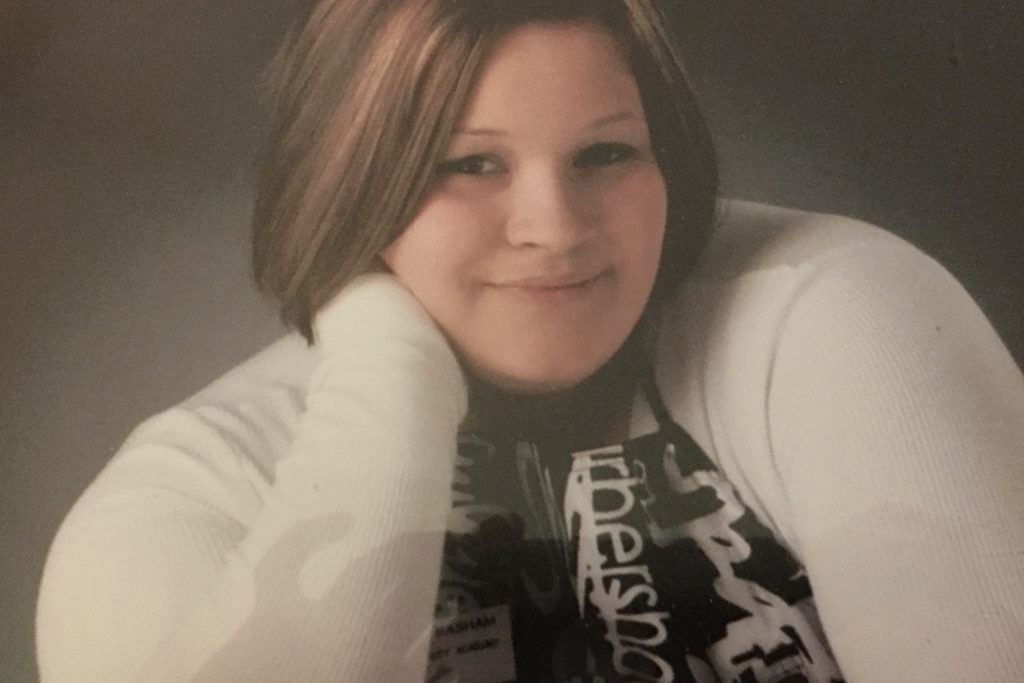
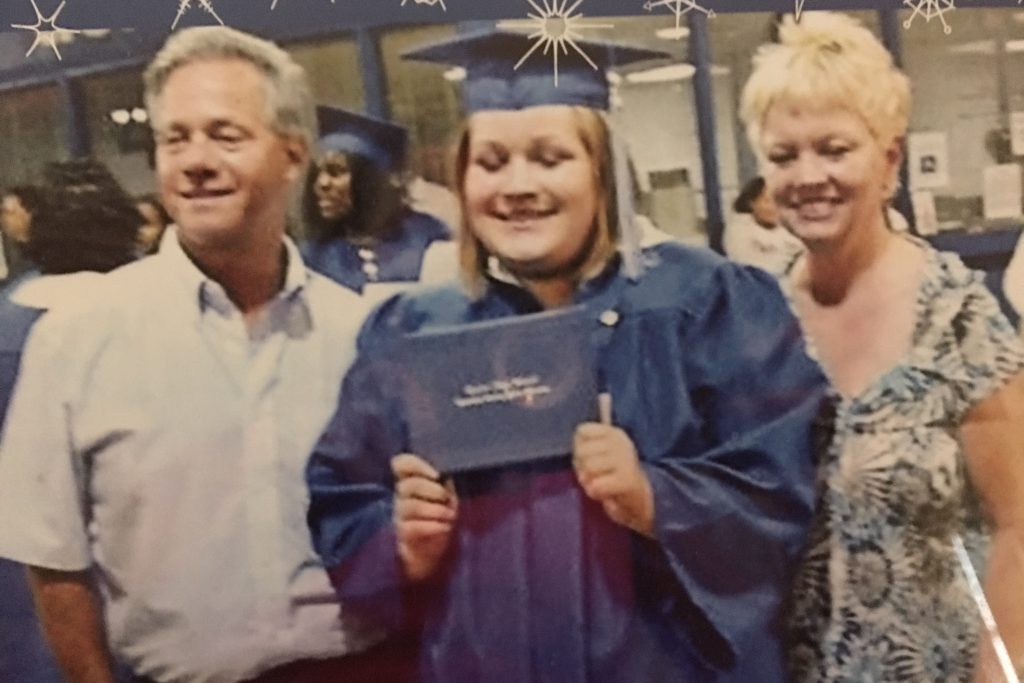
CHARLESTON, W.Va. — On the morning of June 11, 2014, Bruce Basham went to work at Mountaineer Gas, something he had done for 30 years, and began receiving calls and text messages from his daughter Branda.
Branda typically asked her parents for things. She lived on the West Side of Charleston and had made bad decisions for years, getting caught up in the drug culture. Those decisions broke Bruce’s heart, but still he tried to get his daughter the things she needed on that day, like he had many other times before.
“At around 6 p.m. I took her $40 and took her some food from Wendy’s,” Basham told MetroNews. “I told her I loved her and goodbye, and nine hours later she was murdered.”
MORE: Read the case against Marlon “Ice” Dixon
Career criminal Marlon “Ice” Dixon, 39, shot and killed the 22-year-old Basham execution-style on July 12, 2014. He was sentenced a month ago to a life sentence in federal prison. He admitted to murdering Basham because he found out she was helping police as a confidential informant.
How did Dixon find out?
Now, on the two-year anniversary of her death, that part of this tragic story still gnaws at Bruce and his wife, Sara, Branda’s stepmother.
Branda never told her father she was a drug informant, an arrangement that began months earlier after she was picked up on minor drug charges.
She began helping the Metropolitan Drug Enforcement Team (MDENT) and made more than a dozen buys over that period, including three from Dixon. On May 21, 2014 MDENT executed a search warrant on Dixon’s residence on Delaware Avenue, but he wasn’t at home. He was watching the agents, however, and suspected Basham was working for police because he had made limited sales in the area near his Delaware Avenue home.
The next day Dixon spoke with an MDENT detective by phone and said he wanted to see his family before going back to jail and he would turn himself in after the Memorial Day holiday weekend. That didn’t happen.
MORE: Bruce Basham’s statement at Dixon sentencing
It’s not uncommon for street-smart drug dealers like Dixon to avoid the police, Charleston Police Department Chief of Detectives Lt. Steve Cooper said.
“Someone like Marlon Dixon was very adept at eluding police, and he was one of a number of people who we had felony warrants on at that time and we can only make so many attempts. There were a number of drug dealers we were also looking for,” Cooper said.
The Bashams believe those six weeks, from the last buy to the murder, gave Dixon enough time to learn Branda was a confidential informant.
“During that time we feel they didn’t execute the warrant—they didn’t look for him very hard, actually. If they had him off the street I don’t believe Branda would have ever been killed,” Bruce Basham said.
Confidential informants are given what’s called a CI packet which includes information about their agreement with police. After charges are filed against a drug dealer where a CI is used, the defendant receives that information. Branda was an informant in another case and that may have gotten back to Dixon, Cooper said.
“That discovery was given out early, I believe,” Cooper said. “(Dixon) saw it and realized he had been selling to someone who was an informant.”
Also, informants sometime hang out with other informants and the word gets out on the street.
“It makes them visible to the more dangerous criminal,” Cooper said. “If the more dangerous criminal finds out that they are an informant then they could be targeted. It’s rare. It’s not very often that it happens. The Basham case was an extreme case.”
Federal prosecutors said Dixon convinced Basham to meet him on a secluded stretch of railroad tracks on Charleston’s West Side on July 12, 2014. He accused her of being an informant. He said she admitted it and he shot her three times.
Bruce Basham wishes to this day his daughter would have told him about her deal with police.
“I wish she would have come to me, yes, yes,” Basham said choking back tears. “But she didn’t. For whatever reason, I don’t know. She went ahead and made that deal and that ultimately led to her death.”
Federal prosecutors first explored the possibility of seeking the death penalty for Dixon but the U.S. Justice Department decided against it. Branda’s stepmother, Sara Basham, believes that was a missed opportunity.
“I don’t wish death on anybody, but if you’re going to win the war on drugs you got to start somewhere and set examples that this is not going to be tolerated,” she said.
MORE: Sara Basham’s statement at sentencing
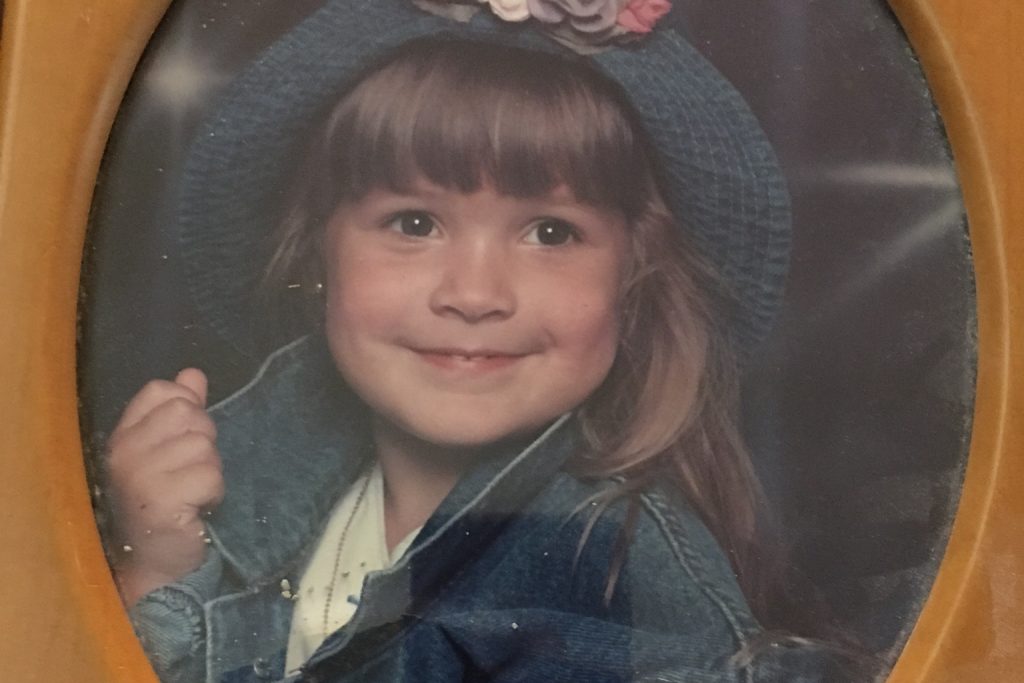
Branda had a normal childhood, was taken to church, attended a good school and had a strong family support system. After she began driving, however, her father started to notice some differences, especially when she was about 18.
“She met certain people and she was exposed to certain things,” Bruce said. “Like a lot of us, she was tempted and I’m sure she experimented with several things. Later on, the drug habit got worse, the hours got worse and certain things started happening in her life. Her cars were wrecked and her windows busted out. You started putting two and two together.
“It was a struggle not knowing if you would get a call from 911 or a knock on the door in the middle of the night and tell you they found your daughter dead from a car wreck or that she had overdosed. We lived with that for a couple of years.”
At age 20, Branda moved to the West Side and lived in various homes.
“A lot of them I’m sure were drug houses but I still had a daily rapport with her,” her father said. “She’d call me or she’d text me and I would stop by with food or cash. Her mother did the same thing.”
Like many West Virginia parents whose children have been impacted by the drug epidemic, the most peaceful nights are the ones their children spend in jail. At least then, the Bashams knew Branda was safe. Bruce tried to get his daughter help but he has gone to bed many nights beating himself up over not doing more.
“If you notice those subtle changes and the money and the late hours–those are going to be your first indicators. As a parent, I always thought optimistically that things would get better, but it didn’t. I should have intervened sooner and sought help,” he said.
Charleston police continue to use confidential informants. Some are paid, others provide help to work off minor charges, and those were drug problems are offered treatment.
CIs are a necessary part of trying to get drug dealers off the streets, Cooper said.
“The people that are selling this poison need to be taken off the streets,” Cooper said. “The choir boys cannot buy drugs from the drug dealers. They won’t sell it. They won’t sell it to someone they don’t know. They won’t sell it to someone not in the game. The confidential informants are valuable to law enforcement.”
The Bashams, telling their story in hopes other parents can learn from their tragic experience, are still seeking information on Branda’s confidential informant agreement. Within the past week they filed a Freedom of Information Act request with the City of Charleston for their daughter’s CI packet.
Bruce Basham urged potential confidential informants to get counseling before agreeing to a police deal.
“This isn’t a blanket indictment against law enforcement,” he said. “But I would tell them no thanks and I’d seek counsel or help from clergy, a coach, a church member, a pastor or maybe somebody you trust. It ultimately cost my daughter her life. She’s a casualty of the drug war.”