


CHARLESTON, W.Va. — A much-needed boost.
That’s how the representatives of two organizations which are getting some of the first $10 million in opioid settlement money from the West Virginia First Foundation are responding to getting the word that they made the cut.
North Star Child Advocacy Center in Parkersburg, which celebrated its 10-year anniversary earlier this year, is going to be receiving approximately $720,000 through the Foundation’s pool of that settlement money, and the addiction treatment facility Semper Liberi in Martinsburg is set to receive $658,800. Those amounts are two of the largest in the first round of funding.

WV First Foundation Executive Director Jonathan Board said the foundation has been soliciting requests from organizations across the state who are working to fight the opioid epidemic.
He said the process of deciding which organization should get a portion of the funding is robust and involves a complex scoring methodology.
“We want everyone to know, kind of like that professor who says look, here’s an open book test, here’s the things you have to do to get an A, here you go,” Board said. “And we’re just so pleased with all of the applicants, certainly our board, our committee, and then great reliance on our expert panel.”
Board said being that there are multiple aspects of this drug crisis– from prevention, interdiction, treatment, law enforcement among other angles– it makes getting a handle on trying to alleviate it no easy task.
However, he said they knew there were a few areas which desperately needed immediate assistance, including diversion programs, interdiction programs, youth prevention and workforce development, child advocacy centers, neonatal abstinence syndrome programs, and transition and recovery housing programs.
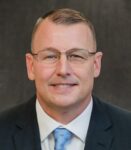
North Star Child Advocacy Center Executive Director Greg Collins said it was amazing to get this major portion of funding as it will go toward the expansion of their facility.
“We’re truly blessed, we keep finding ourselves in situations that look unattainable and then something comes through like this grant, which was super timely for us,” Collins told MetroNews.
North Star has been trying to find the funding to acquire a bigger floor space for the last three years now and have been unable to expand needed services due to the lack of space to house extra staff.
Collins said currently they’re in a 3,000 square foot space but it isn’t enough and it would have probably taken them years to fully raise the funds to acquire a new space without this grant.
Collins said they wrote for the full amount of the funding available through the foundation and were amazed to be granted for it all in full as this expansion project is a little more than $800,000,
He said their facility serves more counties than any other CAC in the state, serving more than 600 children in Wood, Wirt, Pleasants, Ritchie and Calhoun counties.
Collins said with this expansion opportunity they will be able to hire more people to help the kids they serve in a time of great need.
“The part of the strategic plan that we haven’t gotten done yet is we want to add on a full-time therapist, we want to hire that position and get it funded, and have somebody there for these children who are often telling very evil stories about their abuse, some of those kids need to see a therapist that very day,” he said.
He said oftentimes kids who are suffering this kind of trauma as a result of abuse may have to wait up to four to six weeks to see a therapist.
Collins said not only do they plan to hire a therapist but two educator positions as well who will go around and teach kids about signs of abuse in schools because many times, he said kids don’t even realize or understand that they’re in an abusive situation at home.
Collins said currently they have been leasing the facility that they’re in, but these funds will allow them to buy the facility and further allow them to use an unoccupied space upstairs which is an additional 4,500 square feet of space.
He said much of the child abuse cases that are reported to them are a direct symptom of the opioid epidemic.
Collins said during his 24 years as a law enforcement officer, he saw firsthand what the drug epidemic was doing. He said he began to see a similar theme through all of the numerous people struggling with substance use disorder and homeless people he would speak with– most of them said they were abused as a child.
Collins said he believes we as a state have been so busy throwing all of our money and resources into trying to clean up the end result of the issue and in getting the adults sober, but the problem actually starts more often than not in childhood.
“You got to understand that a lot of these addicts have children,” he said. “So, they’re growing up in this environment and we talk to children weekly that know how to tie tourniquets, know how to shoot IV drugs, they can name things that my staff has to come to me and ask what they’re talking about sometimes.”
“We have to as a state fix our children in these environments or they’re going to be the next generation of problem,” Collins added.
He said their goal is to start with the child and get them to a place where they can manage their trauma and live a healthy, productive life.
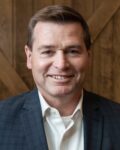
Semper Liberi Program Manager Jonathan Hartiens said they are also very grateful to be awarded this funding and have big plans with how they will implement it.
“The funds are going to be used for the opening of the Recovery Village, which is the first in the nation model of not just having sober living houses or recovery residences, but having them all together in a whole neighborhood,” said Hartiens.
He said this endeavor is particularly important in the eastern panhandle where there is a significant lack of affordable housing, and what does exist he said, is most of the time not in the best environment for people who need treatment and recovery.
Hartiens said the whole transitional model is based upon people who complete substance use disorder treatment.
“Many of them don’t have a supportive environment to go to after treatment to support them in their ongoing recovery and they go back into the environments in which they come from, and it just makes it too easy to relapse,” he said.
He said the recovery housing model allows people who are in active recovery live there for an indefinite amount of time as they work to get back on their feet and while getting peer recovery support and coaching.
Hartiens said that after opening their first recovery housing operation in 2020, they have sustained a 95% success rate which he credits to the continuous support recovering addicts receive while there.
The WV First Foundation is responsible for distributing approximately 72.5% of opioid settlement funds.
Board said the foundation is laser focused on getting this right.
“I’ll put it this way, if we don’t make an impact then we have failed altogether,” said Board. “This is something that we don’t have a choice, this is the calling of our generation, we are far too small a state to continue on the path that we’re on.”
Meanwhile, the WV First Foundation has also announced a supplemental round of grant applications to reach its original goal of $19.2 million in funding. The foundation is offering applicants who did not get funded in this first disbursement another opportunity to address application deficiencies and reapply for the remaining $8.8 million.
Those applicants have been contacted and will receive guidance from foundation staff on how to submit a complete and eligible application.