


CHARLESTON, W.Va. — The Supreme Court of Appeals of West Virginia has announced the appointing of an eight-member advisory committee in an effort to potentially update the state Code of Judicial Conduct.
The Code of Judicial Conduct became effective in West Virginia in 1993 and was last revised in 2015 after taking public comment.
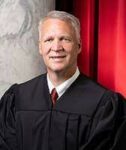
State Supreme Court Justice Tim Armstead, who appointed the eight committee members, says this process ensures the state’s judges will be held to a high standard.
“It’s very important to us as a Supreme Court, to all of our judges, to uphold high ethical standards, and I think this is just one step in ensuring that takes place,” Armstead said. “I think the public expects that out of us, and I think the Judiciary does.”
“I think the judges I work with, they want to know what’s expected of them. They want to follow the rules,” Armstead said. “I think we have a Judiciary in our state that wants to do things right. There are times when there can be some areas that can be clarified and be made much more clear. I think the judges will appreciate that.”
The eight members Armstead appointed to the committee are as follows:
- Professor Forrest “Jack” Bowman (Committee Chairman)
- Senior Status Judge Alan D. Moats
- Circuit Judge Anita Harold Ashley
- Family Court Judge Heather A. Wood
- Magistrate Judge Riley H. Barb
- Delegate Brandon Steele, R-Raleigh
- State Senator-elect Joey Garcia, D-Marion
- David Sachar, Director for the Center for Judicial Ethics at the National Center for State Courts (Advisory Member)
Armstead says having Bowman as the Committee Chairman will bring multiple skillsets to the leadership role.
“He’s been a professor at the WVU Law School for several years, he’s been an expert in terms of ethics and integrity in our state, so we’re very pleased that he agreed to work with us on this,” Armstead said. “I think he’ll bring a great deal of experience and expertise to this process.”
The committee will have until December 31, 2025, to submit proposed recommendations, using staff resources from the Supreme Court’s Administrative Office and Office of the Clerk, as well as the Judicial Investigation Commission and Office of Disciplinary Counsel.
Armstead says a public comment session will likely follow once committee members come back with recommendations.
“They will come back to us with their recommendations, and we will have a discussion among the court of those suggested changes. We will probably put those out for public comment so that individual lawyers and others in the Judicial system can have input as well,” Armstead said. “We’ll put those out for comment, and then the Court will review them and decide whether they are adopted as a part of the Code of Judicial Conduct.”
Armstead also says he’s aware many areas won’t need modifications, but there may be a few areas where improvement is needed.
“There is certainly a number of these provisions that won’t need to be modified in any way, but there are things that I think when you look at national trends and things that maybe have come up since the last time these were reviewed, I think there will be areas where we can improve and we can really strengthen the ethical standards for our judges,” Armstead said.