


PRINCETON, W.Va. — Governor Patrick Morrisey says we are starting to see the fruits of labor in staying the course with the effort of tackling West Virginia’s ongoing drug epidemic.
Gov. Morrisey met with the state Department of Human Services and the West Virginia First Foundation in Mercer County Wednesday to give an update on the ongoing effort of reducing the numbers of opioid overdose deaths, and he said that initiative has really paid off over the last two months, recording the largest reduction of overdose deaths in the nation.

According to the CDC, West Virginia has led the country in the overdose death rate reduction by nearly 41% in year over year reporting.
Morrisey said they have come a long way with tackling the problem, with the initiative to do so only on course to continue.
“When I look at what’s being done right now in terms of the West Virginia First Foundation and the efforts from the local counties and the state and others, I look at this as an incredible chance for West Virginia to ensure we never lose another generation to senseless death,” Morrisey said.
Statistics from the West Virginia First Foundation and the federal government shows substantial success the state has had across various facets of the drug epidemic, including opioid-related deaths down by nearly 69%, Fentanyl deaths down by more than 71%, meth-related deaths down 64%, and cocaine-related deaths at their lowest in nearly a decade.
Morrisey said it has taken a multi-faceted approach in alleviating the problem, including the work done to bring about more prosecutions for those dealing deadly substances in the state as well as changes in policy to expand treatment and prevention opportunities and resources.
He said with limited resources, they had to look at this problem holistically and attack it from a supply, demand, and educational perspective.
Morrisey said he believes the Lauren’s Law legislation he signed back in April has helped go a long way in tackling the issue as it increases the penalties for high-level drug dealers.
“It really cracks down more on fentanyl, sets a message we are not going to tolerate the peddling of death in West Virginia,” he said.
Morrisey said there was no bigger issue he worked on than the opioid epidemic during his 12-year tenure as state Attorney General, during which he created the single-largest opioid settlement in the country and bringing in per-capita, a settlement of over $1 billion dollars.
He said this has allowed for the establishment of the WV First Foundation to help expand resources in communities across the state.
“I’ll tell you, West Virginia First, the counties, they’re giving a lot of resources away, they’re giving money to law enforcement so you can have some of the success through diversion programs, prevention programs, attacking the problem of drug abuse through the schools,” Morrisey said.
WV First Foundation Executive Director Jonathan Board said the foundation’s share of the award per capita factors higher than any other state, which enabled them to be established as the first and only opioid settlement organization.
He said this has created game-changing outcomes in the state’s ongoing fight in tackling the ongoing opioid crisis.

“That has enabled us to do quite a lot, be unencumbered by unnecessary bureaucracy, but also holds all notions of transparency, we’re an open book, we talk with everyone honestly, allowing us to be the fastest at deploying opioid settlement funds,” Board said.
Board said that since forming last May, they have pushed out nearly $20 million in opioid settlement dollars, helped establish 94 unique programs, and set up a direct funding model.
He said their next focus is on continuing to address gaps in service across the state and they pledge to always focus on the outcomes.
“We have to have meaningful outcomes that are consistent across the board,” he said. “There’s truth here, there’s things that work and things that don’t, but lets focus on those things that work.”
Department of Human Services Secretary Alex Mayer said with this collaborative effort they continue to see unmatched progress and that effort must continue.
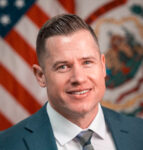
“Our mission goes beyond survival, we need to help individuals recover, rebuild, and thrive by connecting them to effective treatment and long-term supports,” Mayer said.
Mayer said West Virginia currently has approximately 1,714 treatment beds licensed for substance use disorder treatment.
Morrisey said the opportunity to shift the tides of opioid addiction in the state is now.
“We’re focused on opportunities to do good and evidence-based tools that move the needle, that’s the opportunity we have in front of us right now.”