


West Virginia healthcare institutions are keeping an eye on potential Trump administration changes to temporary, non-immigrant visas intended to let U.S. employers hire foreign workers with specialty skills.
President Trump signed a proclamation late last month calling for a $100,000 annual fee on organizations for each individual working under an H-1B visa. The current fee is $215.
Much of the national news coverage of this issue has focused on the effects on tech sectors. But in West Virginia, where rural hospitals are challenged to recruit medical personnel, any changes to the H-1B visa program are being watched with interest.
Senator Shelley Moore Capito, R-W.Va., expressed concern over how the big fees could affect rural healthcare in a national Politico news story headlined “Trump’s new $100K visa fee could pummel red state hospitals.”
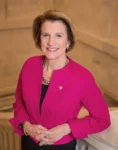
“It alarmed a lot of people,” Capito said in the Politico article. “In rural areas, this is critical health care delivery. We’ve got to keep it.”
The senator elaborated on her view during a briefing with West Virginia reporters.
“I am concerned. We have heard from our hospitals. We know delivery of rural health care is very difficult, and getting professionals in some sense, makes it even more difficult, and the use of those visas is absolutely critical to our our rural hospitals and our larger hospitals as well,” Capito said.
“So we are bringing that case to the president as he moves forward. He kind of caught us by surprise, and I think it’s going to be essential that we can retain our doctors and our medical professionals in our state because they do provide such a great health service to so many West Virginians.”
With the shortage of physicians and healthcare workers across the country, the H-1B visa program plays a critical role in allowing hospitals and academic medical centers to recruit highly skilled physicians and other health care professionals, ensuring continued access to care for communities and patients.
This is especially true in rural areas where shortages of health care works are well documented. West Virginia healthcare organizations say they are currently evaluating the potential effect any policy changes.
“There is a national shortage of physicians, and while this fee proposal does not worsen that challenge, it is important to continue advancing efforts, such as the Rural Health Transformation Program, to improve access in West Virginia,” said Gailyn Markham, communications director for the state Department of Health.
She said the Department of Health anticipates a carve-out for physicians, “which helps support our rural communities.”
WVU Medicine has been watching developments with the $100,000 supplemental fee for new H-1B petitions, noting that the policy does not affect current H-1B employees or those seeking extensions and renewals.
A WVU Medicine spokesman said the health network currently employs more than 200 physicians on H-1B visas “and they are not expected to be impacted. Early indications are that physicians may ultimately be exempt from the new requirement, and we await official clarification from federal authorities.”
In 2024, 16,937 individuals were granted H-1B visas for medicine and health occupations, and half of those were doctors and surgeons, according to federal data.
Nationally, the American Hospital Association, the American Medical Association and more medical societies are urging the Trump administration to allow exemptions from new $100,000 fees for H-1B visas.
In a letter this week, American Hospital Association President Rick Pollack wrote that the organization is concerned that the fee would undermine hospitals’ ability to hire H1-B visa holders including physicians, nurses, pharmacists, clinical lab experts and other healthcare workers.
“This constraint will be felt most by our rural and underserved communities, which already face challenges in hiring and retaining staff to serve their patients,” Pollack wrote.