

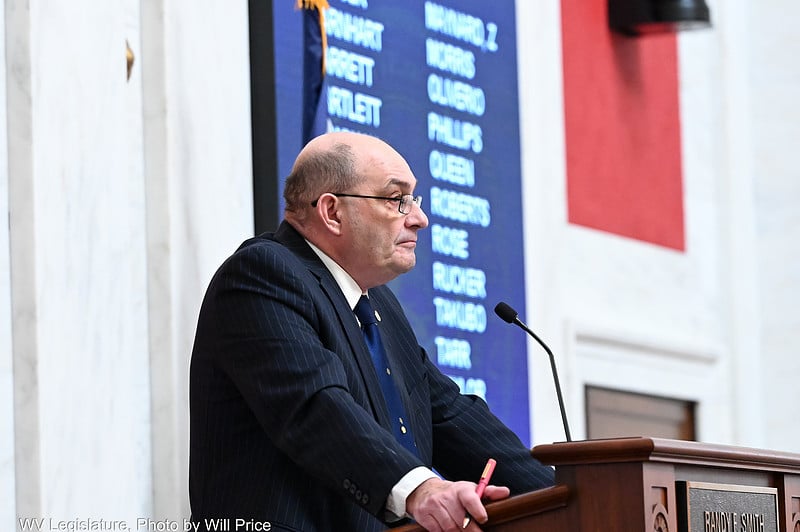
Senators passed a bill characterized as prohibiting the counting of illegal or improperly cast ballots.
When there are questions about a voter’s eligibility, provisional ballots can be used to record votes until the resolution. Typically, a canvassing board will review information about the situation after the election to determine whether the vote will be counted. In very close races, these decisions can make a difference.
Senate Bill 61 dictates that provisional ballots must not be processed on election day and generally forbids counting votes cast in the wrong precinct, with limited exceptions for voters with disabilities.
“Under no circumstances shall any ballot cast by a voter in the incorrect precinct be counted,” the bill states.
To ensure compliance, the bill establishes criminal penalties, including potential felonies and misdemeanors, for officials who intentionally count non-compliant ballots.

“Free elections are the cornerstone of our democracy, and this bill seeks to ensure that the will of the voters is respected and free from passage,” said Senate Judiciary Chairman Tom Willis, R-Berkeley.
The bill passed 33-1 and now goes to the House of Delegates.

Senator Joey Garcia, D-Marion, raised questions about the bill’s potential effects.
“If someone goes to the wrong precinct, but let’s say they are registered. They’ve done everything they need to do. They have the right to vote. We have many people, especially the last couple of years, with the combining of precincts, with changing of precincts, and then you get to election day and someone might go to the wrong precinct,” he said.
“They don’t cast a ballot the normal way; they cast a provisional ballot. And that provisional ballot later on is checked by the board of elections, which is our county commission, and when they do so the county commission can make a decision about whether that person has the ability to vote or is not proper.”
That chain of events, Garcia said, could confound some voters under this legislation.
“I understand trying to make it more black and white, but I think we have a process now that works just fine,” he said. “And if I’m going to err on whether somebody could have the opportunity to have their vote counted when they’ve done what they needed to to register, or not, I’m going to take the side to make sure that vote counts.”
Senator Mike Oliverio, R-Monongalia, said the bill will help ensure that people won’t vote in precincts where they don’t actually live.
“When someone votes in the wrong precinct, it’s entirely possible that they could be voting for a member of the House of Delegates, and they don’t live in that district,” Oliverio said.
“I think that’s important. We’ve seen very close election outcomes.”
When the bill was discussed for about 45 minutes last week in a Senate Judiciary Committee meeting, lawmakers asked David Cook, general counsel for the Secretary of State’s office, about how it would work in practice.
“What happens at the canvasses that I’ve been to, and I’ve been to a few, is that the board of canvassers can sit down use their discretion to determine whether or not they want to count the ballot for whatever reason. It does have to be a technical, technical error, but that discretion is there,” Cook told senators.
“This eliminates this discretion. I will say that the majority of the states in the union do this. But that’s what the bill does. Not a fan of discretion. I like black and white law.”

The main sponsor of the bill, Senator Eric Tarr, said in the committee meeting that the bill is aimed “at those who might be leaning toward counting a vote that should not be counted.”
“And what I would hope for West Virginia’s elections is that we make it as clear and concise as possible that that this vote counts and this one doesn’t according to law,” said Tarr, R-Putnam, “and make sure that the people who are involved in that process are educated in such a fashion so that we don’t disenfranchise people from their right to vote.”