

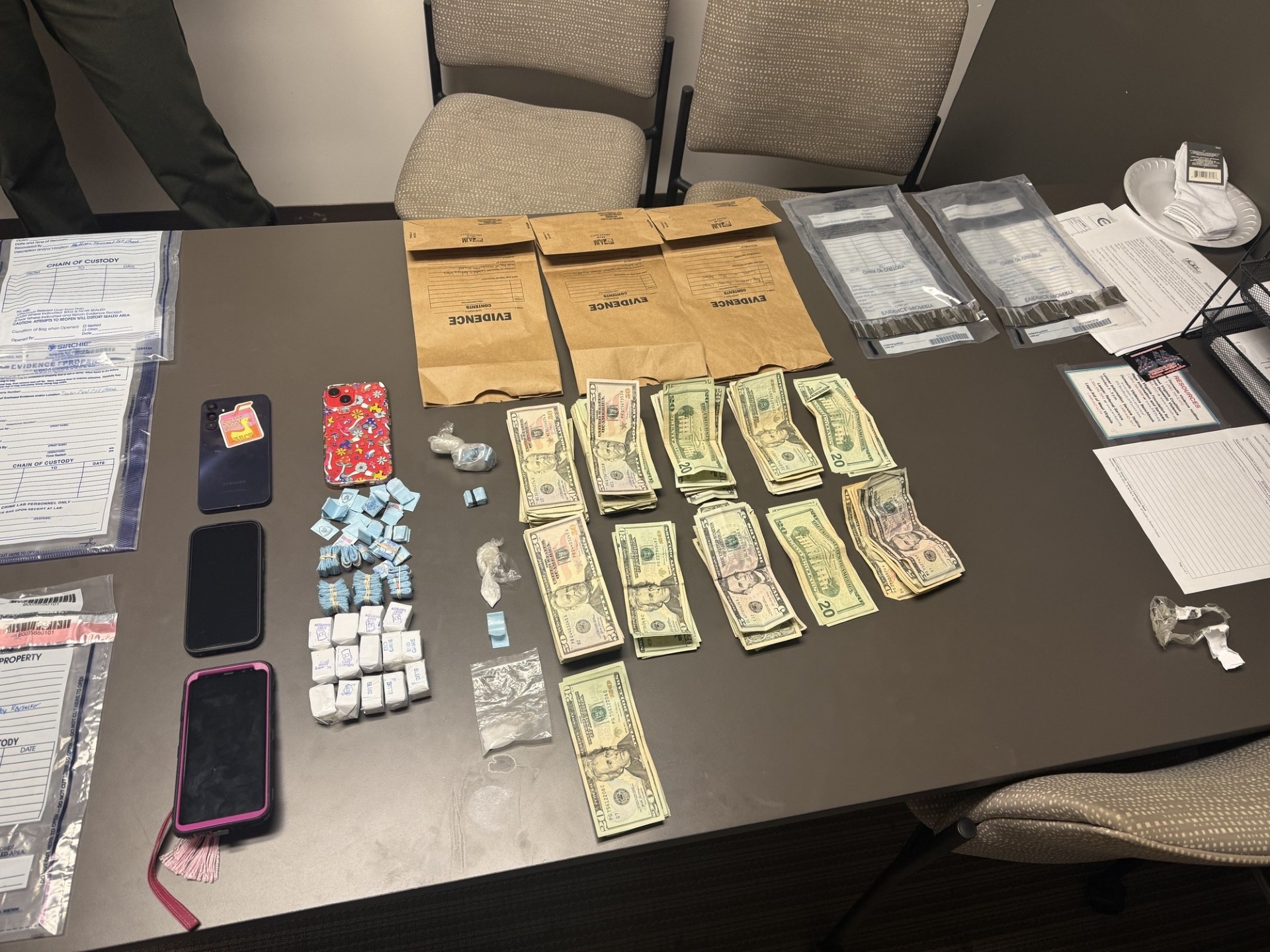
MORGANTOWN, W.Va. — Fatal drug overdoses have been on a steady decline over the last two years.
March 2026 data from the Centers for Disease Control reports fatal overdoses have dropped more than 48 percent for the previous year, greater than the national decline of 44 percent.

U.S. Attorney for the Northern District of the state Matthew Harvey said the fatal overdose numbers are dropping, closed border policies are constricting supply, but the battle is real. Harvey and his team just got the convictions of three people using a business as a front to sell large quantities of cocaine, methamphetamine, and fentanyl.
“I don’t see this as a time to let up,” Harvey said. ” I see this as a time that the current policies are making a difference, and I want to further those into the future.”
Current policies at the federal level are making it much more difficult for smugglers at the border and distributors at hubs throughout the country. Harvey said people are still using drugs, overdosing, and dying, and they will adapt when law enforcement activities curtail the available supply.
“The priority under the Trump administration is making a difference, and less fentanyl is coming into the country, but it doesn’t mean drug usage is down,” Harvey said.
Harvey has a 20-year career interdicting drugs at many different levels and knows drug users will evolve with the supply. Xylazine, or “tranq” or “tranq dope,” is one of the substances that has emerged among users. The drug is a non-opioid veterinary tranquilizer with no approved human application and is mixed with fentanyl to extend its effects. Medical experts have determined naloxone is not effective in reversing a tranq overdose.
“The drug trade is constantly evolving, and it’s on to the next thing,” Harvey said. “It appears this Tranq is going to be the next thing that’s going to become an issue.”
Harvey, former chairman of the West Virginia First Foundation, said there are other factors that have brought the overdose death rate down. He said education, improvements like Naloxone, and advancements in treatment have also contributed to the decrease in overdose deaths.
“There’s a better understanding of the dangers of the drugs, an expansion in treatment, and there’s a naloxone saturation as well,” Harvey said. “All of those are contributing factors, not just one, and it really makes a difference.”
While there are non-judicial methods to address the drug crisis, he said the role law enforcement plays will be prominent moving forward.
“I’m all onboard with treatment expansion and recovery,” Harvey said. “But if you don’t have enforcement, then you can’t give those good brokers of services an honest chance at making a difference.”