

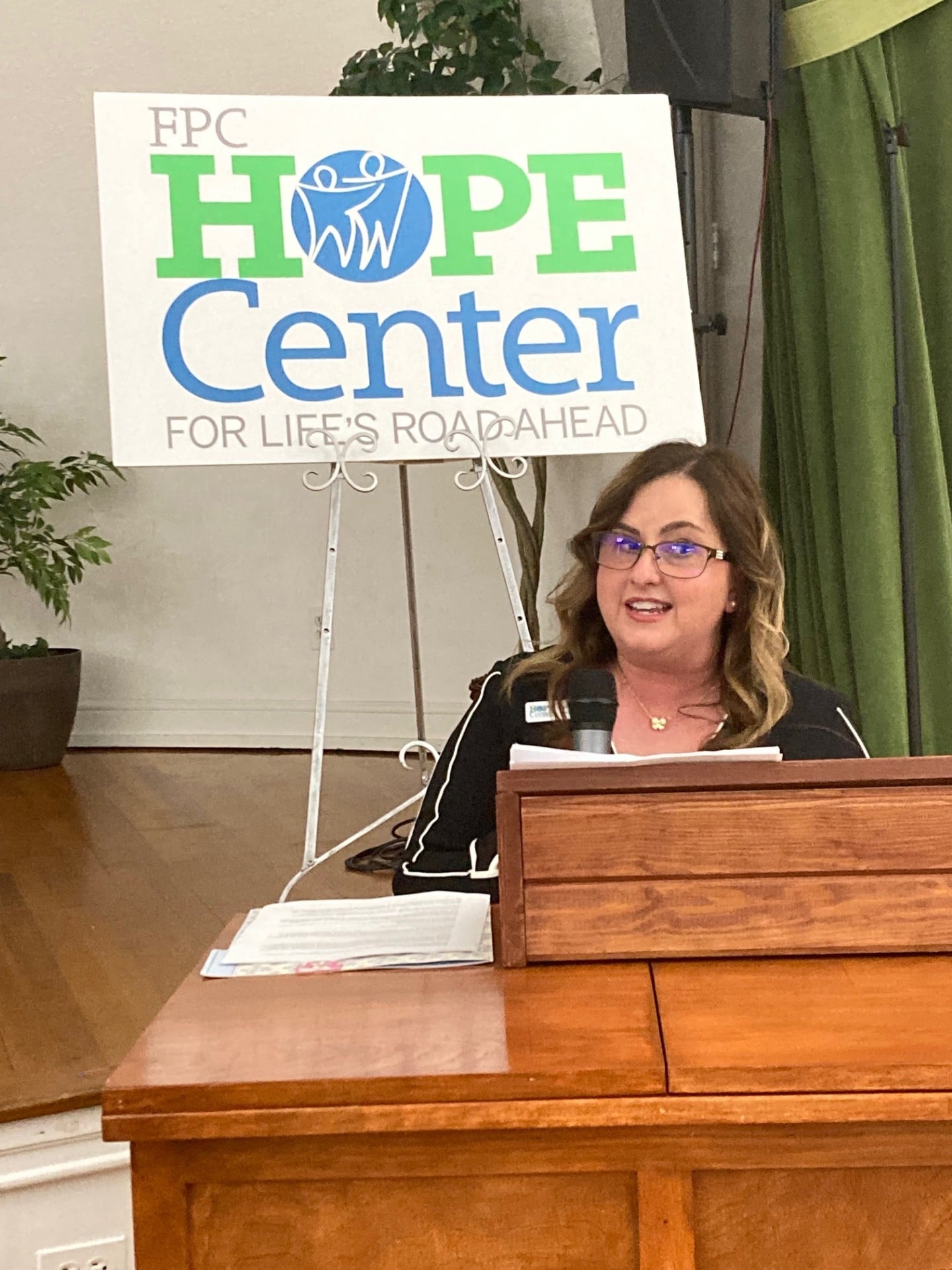
CHARLESTON, W.Va. — A study in southern West Virginia showed there’s work to be done for educating young adults transitioning out of foster care in the Mountain State.
A five-month study from the FPC Hope Center worked with 14 organizations in Kanawha and Clay counties to explore the issues that foster care youth face.
FPC Hope Center Executive Director Kyla Nichols told MetroNews the study worked with organizations including nonprofits, schools, and government agencies. Nichols said there were many difficult conversations with people to understand where gaps and challenges in the system are.
“Not only [what] the youth transitioning out of foster and kinship care are experiencing, but what service providers, that are boots on the ground with these young adults and families, are experiencing,” Nichols said. “The conversations were very much aligned. We realize that services are available, and everyone is working really hard individually, but sometimes they are fragmented.”
As of January, Nichols reported 6,000 youth and children in foster care in West Virginia. She said about 500 of those individuals are placed out of state, and that brings about a whole other issue.
“They lose their family connection, it makes it more difficult for coordinated case planning, and a third of that almost 6,000 are between the ages of 13 and 17,” Nichols said. “Those are the ages that are getting ready to age out of care, and we know that those are oftentimes the hardest age group to find permanent placement for. It’s a huge issue here in West Virginia [and] here in our country.”
The study revealed that a striking 40 percent of young adults who age out of foster care experience homelessness by the time they are 26 years old. Nichols said while the data focused on two specific counties, the results apply across West Virginia.
“This is a statewide problem, it’s not just Kanawha County and Clay County,” Nichols said. “It’s an issue for young adults across our state.”
The solution centers around education. Nichols said there are so many barriers that youth in foster care experience. She said young adults being transferred through different agencies can become traumatized by telling their stories over and over again. She emphasized a message of coming together, with stronger referrals of youth and fewer application processes for them to go through.
Additionally, young adults may not have reliable transportation. Nichols said the study identified that as a big issue.
“We know, if you’re outside of Charleston city limits, even in Kanawha County, transportation is very difficult because we live in a rural community, a rural state, and then you branch out into Clay County and it’s even more difficult. There’s no public transportation, there’s no Ubers, there’s no taxis,” Nichols said.
A lack of transportation contributes strongly toward the homelessness crisis, Nichols noted.
“If you can’t access transportation, you might miss work, or you might miss class, you might miss a mental health appointment or a doctor’s appointment, and your mental health declines,” Nichols explained. “If you miss work, you’re going to miss income, and you may lose housing because of that. All of these problems are layers and layers of barriers for these young adults.”
Aging out of foster care will continue to be an issue, she said, unless action is taken. Nichols said the FPC’s goal is to continue the conversation about foster care issues beyond this study. She said by continuing the conversation, narratives and outcomes change. Everyone in the study was focused on doing that, Nichols reported.
Nichols said West Virginians are great are rallying around a cause. She said she hopes this study boosts awareness of foster care problems in the state, and inspires people in West Virginia to step up and help.
Even during the study, Nichols said, organizations taking part weren’t just looking to identify problems and barriers.
“They very much were trying to identify opportunities and solutions,” Nichols said. “That’s exactly what we’re looking for.”
Nichols said there’s a lot of work to do in West Virginia. While youth in the state can choose to remain in care until they are 21 years old, she said most opt out when they turn 18. Nichols noted that many youth aren’t aware of the available services when they make the choice to leave.
The assessment can be a tool for those working with these youth, she said. If people in authority don’t work with youth in foster care, Nichols said young adults won’t know what’s possible.
“These young people, they’re our future. When they succeed, our entire community succeeds,” Nichols said. “It’s really critical that we’re doing everything we can to make sure they have stable, hopeful futures.”