

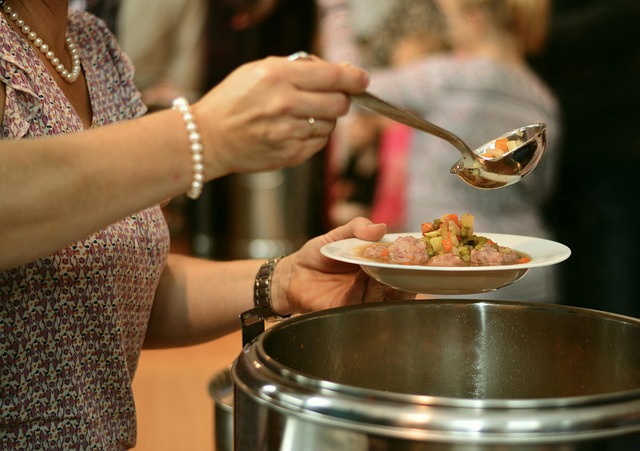
A year ago, West Virginia’s proposal for benefits through the Supplemental Nutrition Assistance Program to pay for hot, healthy foods generated a flurry of activity.
There was back-and-forth with federal officials. There were exchanges with counterparts from other states, who praised the effort. And there were discussions about how best to move forward.
But eventually, the push seemed to cool and then collapse. It’s not clear that there was ever a definitive outcome so much as a fade away, although the most likely roadblock was likely federal law that specifically prohibits SNAP benefits from being used for hot food products ready for immediate consumption.
Starting August 21, 2025, West Virginia MetroNews sought information about West Virginia’s request to federal authorities, including any kind of back and forth between state and federal officials as they tried to figure out how it might work in practice.
This month, the West Virginia Department of Human Services responded to the request. The agency’s response withheld some internal memoranda and redacted some material.
The proposal began with enthusiasm as Gov. Patrick Morrisey’s administration sought a waiver from federal officials to prevent benefits from the Supplemental Nutrition Assistance Program from being used on sugary drinks while also opening up allowable purchases of warm, ready to eat meals like rotisserie chicken and roasted vegetables.

“We’re trying to also get some of the extra benefits, whether it’s for rotisserie chicken, maybe some fresh food and proteins that people think would be very, very positive and hot food,” Morrisey said last year on statewide radio.
“That’s the opportunity. So we’re going to try to get rid of some of the bad and help get more of the good.”

Bridget Lambert, president of the West Virginia Retailers Association, reflected this week that SNAP grocery retailers across the state would have welcomed the opportunity for sales under a waiver covering “Hot Healthy Meals.”
“West Virginia would have been one of the first states to acquire a hot healthy food waiver placing the state at the forefront of change for SNAP grocery retailers. While we have many food deserts across the state, those same areas often lack access to restaurants,” Lambert said.
“A weekly or monthly shopping trip for groceries could provide hot healthy meals that could be consumed immediately or frozen to reheat later in the month. For individuals experiencing physical limitations with food preparation or lacking a safe cooking situation, having access to a prepared meal eases a lot of struggles.”
The West Virginia waiver request proposed to tie eligibility to a limited, pre-approved list of product codes or item categories to be flagged at the point of sale. Those would have included:
-
- Rotisserie chicken
- Meatloaf
- Barbeque ribs
- Pulled pork, chicken or beef or BBQ brisket
- Shepherd’s pie
- Pot roast
- Baked pasta dishes such as lasagna
- Hot, baked or grilled fish such a salmon or tilapia (must not be breaded or fried)
- Vegetable-based soups/stews, such as minestrone, lentil, chicken, vegetable
- Non-cream, broth-based soups/stews such as beef or chicken noodle
- Lean meat & vegetable combo meals
- Steamed or roasted vegetables, such as green bean, carrots, broccoli, corn on the cob
- Whole-grain side dishes, such as brown rice, quinoa, black beans, Spanish rice or rice pilaf (as part of hot meal)
- Baked potatoes
- Egg rolls or spring rolls
- Breakfast scrambles that are egg and vegetable based
“These changes will expand the availability of healthy food options for vulnerable populations,” West Virginia officials wrote in the request.
“The hot foods selected for this waiver were chosen based on containing vegetables and healthy grains while restricting higher calorie options such as fried foods.”
The anticipated implementation date was proposed to be Jan. 1, 2026.
Last August, federal officials approved West Virginia’s request to stop SNAP benefits from being used to buy soda pop. Then, a couple of months ago, a U.S. District judge ruled that the federal government exceeded its legal authority when it approved waivers for states like West Virginia barring participants from buying foods such as candy and soda through the food assistance.
There was never a clear answer about what happened to the hot, healthy foods proposal.
Yet the concept did go through months of consideration.
The state response to the MetroNews information request showed that on May 12, 2025, the U.S. Department of Agriculture’s Food and Nutrition Service sent a letter thanking West Virginia officials for the waiver application and confirming receipt.
“We commend West Virginia for proposing bold action to pilot a creative solution to this nation’s obesity crisis and ensure taxpayer funds are working to Make America Healthy Again,” wrote James Miller, administrator of the U.S. Food and Nutrition Service.
As last summer progressed, the Food and Nutrition Service compiled practical questions, including what specific criteria the state used to determine which hot foods made the permitted list.
And FNS pointed out that the preparation of hot foods, such as adding breading, deep-frying or smothering in cream sauces, creates variability in saturated fat, added sugar and sodium, which could undermine public health goals. Federal analysts asked, “Is there a plan to aid retailers with standardized recipes and healthier food preparation methods?”
FNS also asked the state to define exactly what side dishes would be considered eligible “combos” when purchased alongside hot meals.
And FNS suggested that the state consider direct training for store clerks and cashiers so they wouldn’t have to struggle to navigate complex hot food eligibility rules at the register.
There were also higher level questions.
U.S. Food and Nutrition Service requested that West Virginia separate its initially combined waiver application into two separate submissions: a food restrictions waiver request using an existing template and a hot foods novel waiver request.
“Separating the requests will allow National Office to move the food restriction request approval forward without delay. Once we receive further direction on hot foods, your hot foods novel waiver request will be processed,” wrote a branch chief for SNAP with the U.S. Department of Agriculture on June 3, 2025.
“We prefer to keep the waiver together,” responded Kent Nowviskie, deputy commissioner for policy and programs at West Virginia’s Bureau for Family Assistance, on June 5, 2025.
Nevertheless, West Virginia eventually split the waiver requests. By August 12, 2025, state officials noted that the soda restrictions had been approved but “The hot foods is still under review from the National Office.”
Perhaps most crucial is the legal interpretation that a waiver of the hot foods prohibition is impermissible because the federal law governing SNAP explicitly carves hot foods out of the legal definition of eligible “food.”
The statute defines food for the Supplemental Nutrition Assistance Program as any food product for home consumption, except, specifically, alcoholic beverages, tobacco, hot foods or hot food products ready for immediate consumption.
West Virginia officials had taken note of this possibility as early as March 31, 2025, reaching out to California counterparts to ask about an earlier denial there on the same grounds.
On April 1, 2025, California officials responded to say their project had been denied in 2024 as impermissible under the federal law, attaching a copy of the denial letter.
“It would be great if WV can keep us in the loop regarding the outcome of the waiver request,” wrote the chief of the CalFresh Policy Bureau.
In the provided documents, federal officials never appear to explicitly tell West Virginia that hot foods are ineligible under federal law. Instead, that barrier was conveyed primarily through California’s prior experience, which West Virginia actively researched.
As West Virginia’s hot foods waiver was still under consideration, counterparts from other states wrote to express interest in the concept.
“VT is very interested if you’re willing to share,” wrote an administrator from Vermont.
The SNAP program manager for the State of Wyoming also wrote to ask for more detail about West Virginia’s request.

Kelly Allen, the executive director of the West Virginia Center on Budget & Policy nonprofit, said West Virginia’s goals on the hot foods waiver were good, although some of the specifics might have been challenging to put into practice.
“SNAP’s ban on hot foods is an outdated and unnecessary provision that limits convenient, healthy options for families,” Allen said this week.
“West Virginia’s proposed healthy hot foods waiver would have given low-income families more ease and flexibility comparable to what other households have at the grocery store. That said, the complexity of the waiver, limiting options to very specific hot foods, could have made it more difficult for retailers to implement and somewhat confusing for families to know what they could and couldn’t buy.”