

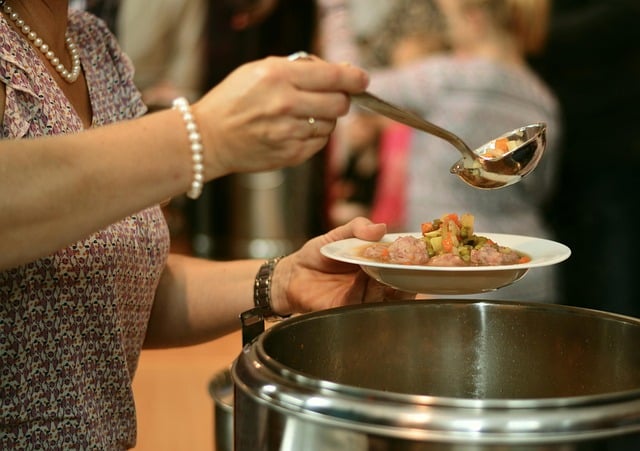
West Virginia’s waiver application for what’s eligible for food stamp purchases was two-pronged at first: eliminate eligibility for sugary drinks like soda but broaden use for foods considered hot, healthy and ready-made.

“We’re trying to also get some of the extra benefits, whether it’s for rotisserie chicken, maybe some fresh food and proteins that people think would be very, very positive and hot food,” Gov. Patrick Morrisey said earlier this year on statewide radio.
“That’s the opportunity. So we’re going to try to get rid of some of the bad and help get more of the good.”
Earlier this summer, though, state officials split soda and hot food into separate waiver requests. This week, in an announcement that featured U.S. Health Secretary Robert F. Kennedy Jr., federal officials approved West Virginia’s request to stop SNAP benefits from being used to buy soda pop.
Unmentioned was anything about West Virginia hoping to allow SNAP benefits to be used for hot, healthy foods. That request was spun off into its own waiver request and submitted June 10.
The hot foods request continues to warm under a federal heat lamp. The hot foods request has been submitted, separately, but the federal government has made no decision on it yet.

“It would have been very nice had those been added,” said Bridget Lambert, president of the West Virginia Retailers Association, speaking on MetroNews Midday.
“Our industry would very much support adding a hot foods waiver and getting that signed because we have a lot of seniors and veterans and and disabled consumers participating in the SNAP program. There’s about 273,000 West Virginians participating in SNAP. That option would be great for a lot of our population.”
West Virginia is among about a dozen states seeking changes to the Supplemental Nutrition Assistance Program. As of March 2025, according to the waiver request, West Virginia had a statewide SNAP caseload of 146,458 households and 273,981 individual recipients.
On West Virginia’s request that remains under consideration, the state is asking to allow some hot foods from retailer grocer delis to be allowed expenses through SNAP.
In an attempt to keep this change relatively simple for retailers, the West Virginia waiver request proposes to tie eligibility to a limited, pre-approved list of product codes or item categories to be flagged at the point of sale. Those include:
- Rotisserie chicken
- Meatloaf
- Barbeque ribs
- Pulled pork, chicken or beef or BBQ brisket
- Shepherd’s pie
- Pot roast
- Baked pasta dishes such as lasagna
- Hot, baked or grilled fish such a salmon or tilapia (must not be breaded or fried)
- Vegetable-based soups/stews, such as minestrone, lentil, chicken, vegetable
- Non-cream, broth-based soups/stews such as beef or chicken noodle
- Lean meat & vegetable combo meals
- Steamed or roasted vegetables, such as green bean, carrots, broccoli, corn on the cob
- Whole-grain side dishes, such as brown rice, quinoa, black beans, Spanish rice or rice pilaf (as part of hot meal)
- Baked potatoes
- Egg rolls or spring rolls
- Breakfast scrambles that are egg and vegetable based
“These changes will expand the availability of healthy food options for vulnerable populations,” West Virginia officials wrote in the request.
“The hot foods selected for this waiver were chosen based on containing vegetables and healthy grains while restricting higher calorie options such as fried foods.”

Traci Nelson, president of the West Virginia Oil Marketers and Grocers Association, said the organization strongly supports a waiver on hot foods.
“This is something that has been needed for a long time, as grocery and convenience stores across the state already offer many hot, ready-to-eat items that are nutritious and affordable,” Nelson said.
“Allowing these purchased with SNAP benefits is a meaningful step toward making healthy, prepared food more accessible for working families, seniors, and those without the time or resources to cook at home.”