

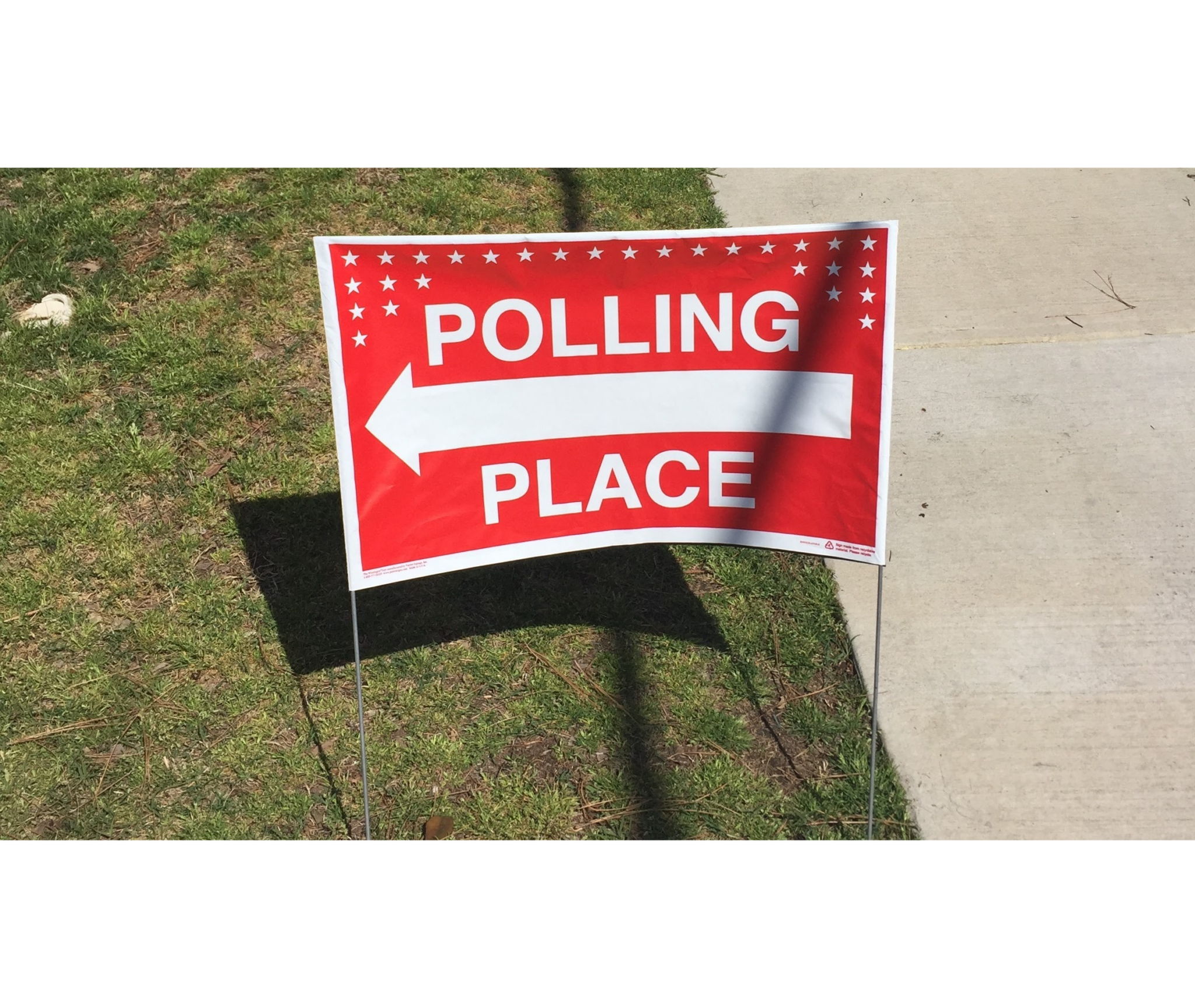
U.S. Department of Justice election monitors are in West Virginia at polling locations, according to Secretary of State Kris Warner.
Warner, speaking on MetroNews Midday, said DOJ election monitors would remain outside polling places and West Virginia’s 100-foot boundary.
Voters could choose whether to speak with them after leaving polling locations and could decline to answer questions, Warner said.
“They’re not inside our polling locations. They’re not interfering with anybody on their way into the polling place, and it’s up to the voter to decide whether they stop and talk to them if they leave the polling location,” he said.
The Justice Department was sending 1,000 election monitors to cities and counties across the country. DOJ said this represents the largest monitoring effort in history.
In West Virginia, monitors were only expected in Kanawha County.
Monitors include personnel from the Civil Rights Division, other DOJ divisions/components, U.S. Attorney’s Offices and federal observers from the Office of Personnel Management.
DOJ said election monitors would be checking for compliance with the federal voting rights statutes that fall within the jurisdiction of the Division.
“Election integrity has been one of the top priorities for this Administration and this Division,” said Assistant Attorney General Harmeet Dhillon of the Civil Rights Division at the Department of Justice. “I am very proud we are deploying the largest monitoring effort in DOJ history, and pursuing transparency for elections in an assertive and nondiscriminatory manner.”
The West Virginia Secretary of State’s Office was notified about the DOJ election monitors last week, Warner said.
“We had a phone call last week with the Department of Justice when we learned that they were going to have monitors out in every state. We made it very clear to them what West Virginia election law was: that there would be no federal agents of any sort inside of our polling locations, and not within 100 feet of the polling locations,” he said.
Warner continued, “We we made it very clear that the interaction would be limited to simply asking the voters about their experience with voting today.
“So again, if I were a voter coming out and somebody was stopping to ask me questions, if I decided to stop and talk to them, I’d ask them for their credentials and make sure that they are really with the Department of Justice. And even at that point, they don’t have to answer any of their questions and they can, you know, keep walking to their vehicles.”