

CLARKSBURG, W.Va. — The Harrison County Historical Preservation Levy failed to get the approval of voters by less than three percent.
At the end of the evening on Tuesday 57.89 percent of the voters were for the measure and 42.11 percent were against. Sixty percent was needed for passage.
Clarksburg History Museum Marketing Manager Beth Gain said the workers and volunteers at all of the sites will begin an awareness campaign between now and the next opportunity to get on the ballot. She said they’ll plan more outreach events to show the value of these sites to the public.
“In two years we should be able to appear on the ballot again,” Gain said. “In that time we know our work is cut out for us and will plan to do more public events and more historically focused programming, especially over at the Clarkburg History Museum.”
Gain said the levy would have supported the 13 sites across the county that represent significant parts of the area history. She said there was renewed interest during this year’s celebration of the county’s 250th birthday.
“The levy would have provided dedicated support every year for four years for each of the organizations,” Gain said.
The levy would fund the alliance through the Harrison County Commission for four years: $100,000 in fiscal year (FY) 2027/2028, $103,000 in FY 2028/2029, $106,090 in FY 2029/2030, and $109,272 in FY 2030/2031.
“There are 13 sites that organized under the Historic Preservation Alliance,” Gain said. “The 13 sites represented spots all across the county, and Harrison County is a large county with a variety of history.”
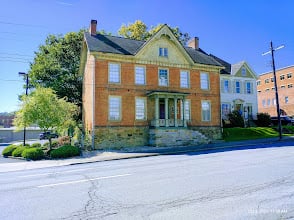
The sites include Fort New Salem, the home of U.S. Congressman and Senator Jennings Randolph, Waldomore Mansion, and the Daniel Bassel House in the Lost Creek area. Gain said the sites also include the Stealy Goff Vance House in Clarksburg, which is the oldest home in Appalachia, according to Gain.
“The Shinnston Area Historical Association takes care of the Levi Shinn Home, which is the oldest pioneer log home still standing in the original location,” Gain said.
Gain said citizens have access to the free museum, virtual tours, lectures, and other public programs. The organizations also offer guided tours through the 1901 Courthouse and some access to archival information.
“We do a lot of those things without charge to the public, including field trips for schools and senior citizen centers,” Gain said.