

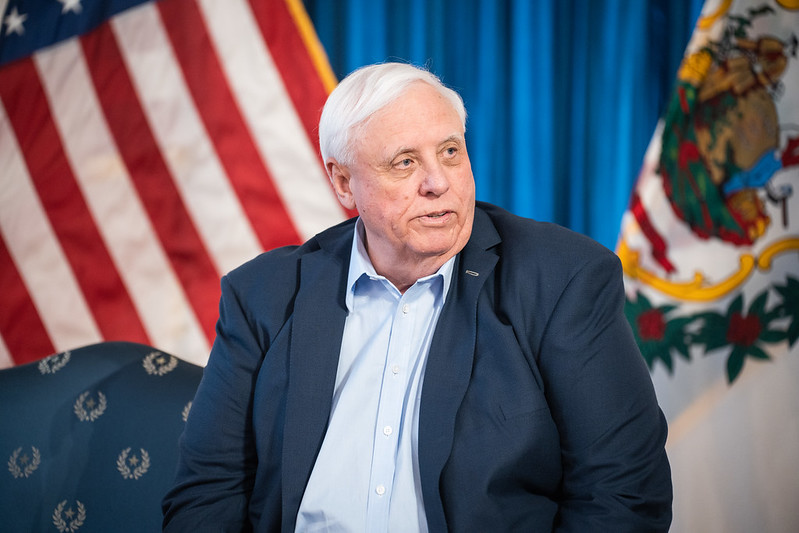
Gov. Jim Justice named several new members to the board that will oversee how West Virginia communities spend more than $1 billion in settlements from opioid cases.
The governor’s appointees include Jefferson County Prosecutor Matt Harvey; former state Homeland Security Secretary Jeff Sandy; Harrison County schools Superintendent Dora Stutler; attorney and philanthropist Alys Smith, who is the wife of Marshall University President Brad Smith; and Raleigh County Commissioner Greg Duckworth.
“I’m sure they’ll do a great job, and their primary job is to fight this terrible epidemic,” Justice said of those he named.
Opioid addiction has been devastating in West Virginia, which has by far the nation’s highest overdose death rate.
They are being named to the 11-member board for the West Virginia First Foundation, which sets guidelines for what happens when the state and the many counties and cities use lawsuit settlement money to push back against ongoing drug addiction issues. The West Virginia First Foundation is a joint effort by the Attorney General’s Office and all the cities and counties in the state.
The governing board is supposed to include expertise and regional representation. The governing board includes five members from different regions appointed by the governor and approved by the state Senate. Six more members are named by regions of local governments.
All six regions in the state met in July and elected their representative on the board of directors:
· Region 1 Dr. Steven Corder, medical director for Northwood Health Systems
· Region 2: Tim Czaja, director of Berkeley County Community Corrections
· Region 3: Tom Joyce, mayor of Parkersburg
· Region 4: Jonathan Board, vice president of external affairs at Mon Health Systems
· Region 5: Dr. Matthew Christiansen, state health officer and the commissioner of the state Bureau for Public Health
· Region 6: Dr. Tony Kelly, a Raleigh County doctor with more than 40 years experience in emergency medicine
Board members are also charged with appointing a panel with expertise in substance abuse treatment, mental health, law enforcement, pharmacology, finance and healthcare policy and management. The expert panel is supposed to provide guidance on strategies for abating the opioid epidemic in communities around the state.
“What we tried to do is look at the other appointees, and then what we did was try to develop a level of diversity,” Justice said today at a news briefing. “We looked at how to pick great people with great backgrounds that were willing to serve and then have some level of diversity and blend well with the appointees that were already on the way.”