

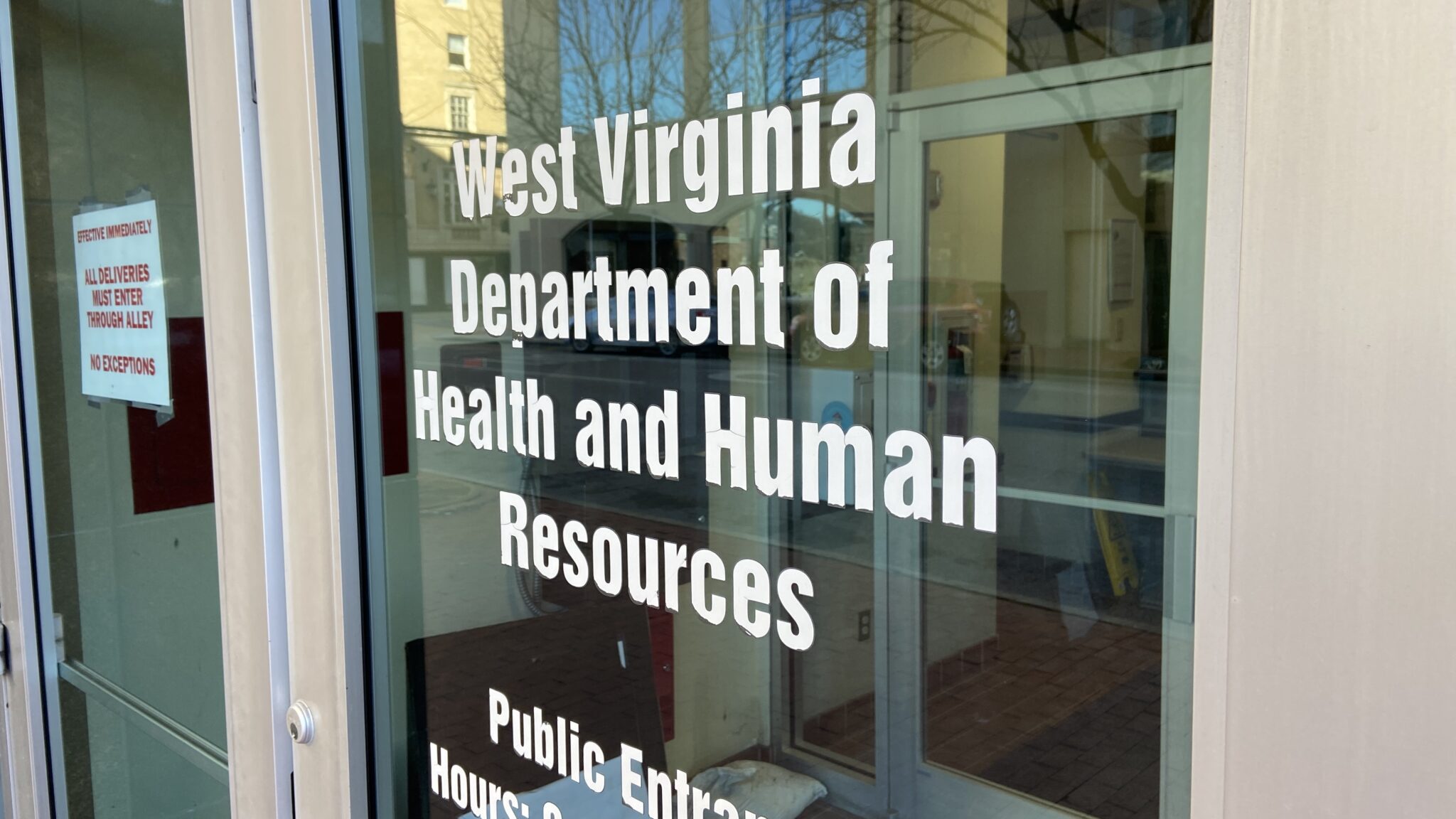
Gov. Jim Justice and his administration say a $114 million budget gap for the state’s portion of Medicaid is under control.
“Sure we’ve got a shortfall in Medicaid right now. Stuff happens. I could have said something a whole lot worse than that, but stuff happens all the time. You’ve got to tend to it,” Justice said during a briefing today.
During interim meetings this week, West Virginia lawmakers got an overview of the financial situation with Medicaid, the joint federal and state program that helps cover medical costs for some people with limited incomes and resources.
The budget gap has opened for the state, officials said, because of a range of factors including adjustments to the Federal Medicaid Assistance Percentage, a multiplier often referred to by the acronym FMAP.
For every dollar the state spends on Medicaid, the federal government matches at a rate that varies year to year. The ratio provides higher reimbursement to states with lower per capita incomes relative to the national average. In recent years, the federal match for West Virginia has been favorable, but as West Virginia has gained financial health the rate will lower.
During the pandemic, the state benefited from an additional 6.2 percent FMAP but that is now going away. Additional financial factors include an “unwinding” of pandemic-era enhanced eligibility standards, rising prescription drug costs and more.
“During covid, the federal government opened up the Medicaid rolls to many more people. But in doing that, they provided a supplement payment. Well, that supplement is starting to come due — in fact, will come due as early as this April, and we’ll lose that,” said Brian Abraham, Justice’s chief of staff, at today’s briefing.
To deal with the increased state expenses, officials are proposing an increase in the tax that Medicaid charges managed care programs.
“We came up with a strategic plan,” Abraham said. “We have medical care organizations that provide services to DHHR for these Medicaid services.
“There’s a fee that they get, and it’s on top of what they normally pay. We have the ability to raise that fee on their behalf. We pay them that money, then we ask the federal government for reimbursement of which, for every dollar spend of that fee, we get back approximately 75 cent. So we think that has the opportunity to nearly, if not completely, close that deficit.”
The planning by state officials provides some assurance, said Kelly Allen, executive director of the West Virginia Center on Budget & Policy. But she said more immediate steps are also necessary.

“The Medicaid program is vital for West Virginia families, our health provider infrastructure, and our broader economy. During the pandemic, the federal share of Medicaid increased, allowing West Virginia and all states to reduce state Medicaid spending through the general revenue budget. Now that the match is returning to normal, the state is going back to its pre-pandemic share of the costs.
It’s positive that the administration has a plan to close the FY 2025 shortfall, but we urge them to act quickly address the current fiscal year shortfall and to prioritize the state revenues needed to close the Medicaid administrative budget shortfall,” Allen said.

Cindy Beane, the state’s commissioner for the Bureau of Medical Services, discussed the financial situation with lawmakers this week during a meeting of the Joint Committee on Government and Finance.
Bean noted that Medicaid expenses represent the largest portion of the budget for the Department of Health and Human Resources. About 36 percent of West Virginia citizens are enrolled in Medicaid.
The federal government has provided about three dollars for every dollar the State of West Virginia has put in.
“The largest percentage of your FMAP rate is based on your per capita income,” Beane said. “So as West Virginians start making more money and prospering your FMAP’s going to go down.”
Beane explained that during the pandemic, states were instructed to not remove people from Medicaid rolls. That has started to change in a process called “unwinding.” The state’s highest Medicaid enrollment grew to 667,471 people. Now enrollment is 539,250.
Phasing out the supplemental reimbursement levels from the pandemic along with changes based on economic improvement mean higher Medicaid costs for West Virginia.
“For West Virginia, that means our economy’s getting better; people are coming out of poverty — but for the Medicaid program that’s an increase in the state dollars,” Beane told lawmakers.