


CLARKSBURG, W.Va. — Clarksburg City Council passed a camping ban ordinance Thursday evening, as part of an effort to aid the unhoused population in the city.
City council passed the measure through the first reading in mid-October and held a public hearing before the vote on Thursday.
With the passage of the ordinance, first-time violators will be given a written warning, second-time violators will see a $200 fine and third-time violators within a 12-month span would see the fine be increased to $500.
Council member Wayne Worth says the conditions of camping areas are non-livable.
“I believe it’s inhumane to allow folks to live in conditions like this,” Worth said. “Now, do we need to take responsibility as a city and as a city, whether it’s service providers or city government? Yes.”

Council member Marc Jackson says something needed to be done, but there are available resources in the city for those in need of addiction recovery.
“We’re not criminalizing homelessness. What we’re saying is something has to be done, and we’re the responsible parties to make things happen. We have to make these things happen,” Jackson said. “We’re going off of resources. People dial and say, ‘well, talk about the resources,’ There are plenty of resources out here.”
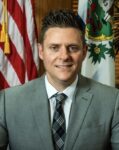
Worth says those in the homeless community with drug addiction aren’t always responsible for their circumstances, but seeking available help is their responsibility.
“We may not be responsible for what happened to us, but we’re responsible for our recovery, no matter what that recovery is,” Worth said. “This ordinance is just another tool for our city to help folks get linked to resources.”
Clarksburg resident Kevin Brand says homelessness is often not a choice.
“Let’s clear this up, homelessness is not a choice for everybody. In some cases, it could be, but that’s not for everybody,” Brand said. “Sometimes it’s a consequence of systemic failures, from a shortage of affordable housing, mental health challenges, addiction and economic disparities.”
Reverand Jenny Williams, the faith organizer for the ACLU of West Virginia, says the ultimate goal needs to be helping the unhoused community find housing options.
“This ordinance manufactures a crisis and alienates the very partners you need to achieve the outcome you want, which is for people to stop sleeping on public property,” Williams said. “If that’s your ultimate goal, that’s your prerogative. I would hope that your ultimate goal would be helping people find a place to sleep without the involvement of law enforcement.”
Williams also says a moral approach is needed when looking at the unhoused community, and the consulting of faith communities in the process is needed.

“If you take the utilitarian approach to this matter, and you see unhoused people as a problem, you’re going to need faith communities to help you address the problem. If you take the moral approach to this matter, and you see unhoused people as people whose basic human needs aren’t being met, you still need faith communities to help you address their needs,” Williams said.
The ordinance was set to go into place immediately if voted on, but an amendment proposed by council member Ryan Deems now has the changes going into effect on January 1, 2025.