

West Virginia’s Senate Health Committee approved a bill Thursday opening up religious exceptions for the state’s childhood vaccine laws.
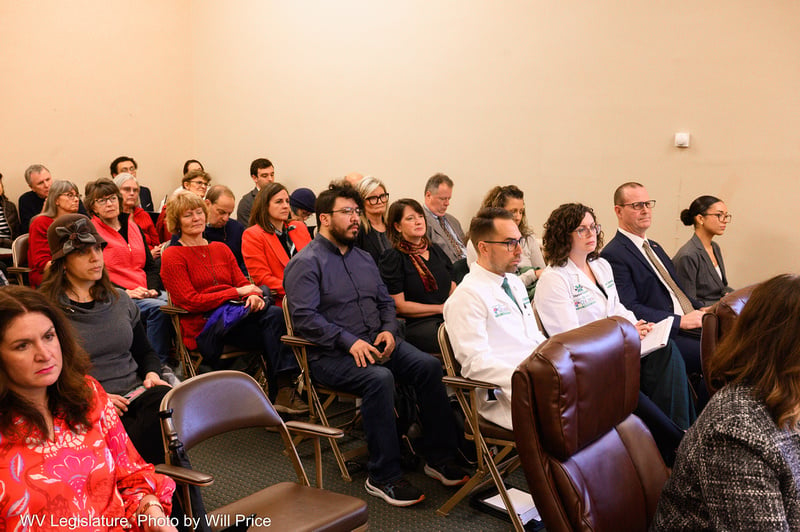
The meeting took place in a packed committee room, with people representing or expressing support for healthcare institutions. Others, including an exceptionally long-winded Zoom presenter, expressed support for greater exemptions.
The bill passed on a voice vote and was forwarded to the full Senate for consideration.

Dr. Matthew Thomas, pediatric infectious diseases specialist at WVU Children’s Hospital, spoke against the bill. “My job as a physician of West Virginians is to protect my home,” he said.
He described a concern about whether West Virginia’s healthcare system, particularly in rural areas, is accessible to enough people — and what happens with a disease outbreak for people without good healthcare access.
Thomas said vaccinations have done such a good job of protecting the public, most people have not experienced the worst effects of infectious disease.
“These diseases rob people of their freedom to pursue happiness in the United States in West Virginia,” he told senators.

John and Hallie Davis, son and daughter, also testified before the committee. Hallie, 20, came tot he podium in the committee room and described her challenge of seeking vaccine exemptions because of concerns over medical effects.
“I believe it’s crucial to protect individuals’ rights to choose after making an informed decision on their own health,” Hallie Davis told senators.
SB 460, introduced on behalf of the governor, would allow religious exemptions to the state’s school vaccinations if parents or legal guardians object on legal grounds.
To qualify for the exemption, families would submit an annual written statement requesting a religious or philosophical exemption about required vaccines.
Public, private and parochial schools are supposed to keep records of how many students have been granted exemptions and what that percentage is. No personal identifying or personal health information is to be included in those reports.
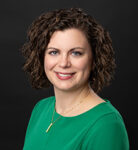
Jennifer Gerlach of Marshall Health, a pediatrician, told the committee that these exceptions would open the door to the spread of disease.
“These are safeguards in place so that our children are protected,” Gerlach told senators.
“I want West Virginia’s children to grow up health and safe so that they can grow up to be productive citizens of their home state.”
Then-Gov. Jim Justice last year vetoed a bill loosening vaccination requirements in some schools, drawing praise from healthcare organizations.

This year’s legislation follows up after new Gov. Patrick Morrisey, a Republican, issued an executive order his first week saying his administration would be announcing a process for people to declare their religious objections to vaccines, probably through an affidavit.
The order indicates that state employees would not enforce school vaccination requirements on people objecting. “For purposes of this process, a writing signed by the objector shall be sufficient proof to establish the objection.”
Morrisey described this as implementing the “Equal Protection for Religion Act,” which went into law in 2023.
That bill stipulated the government would not be able to “substantially burden” someone’s constitutional right to freedom of religion unless doing so “is essential to further a compelling governmental interest.” Much of the public debate at the time focused on how the policy might affect LGBTQ+ rights.
In this case, Morrisey was saying the concept should apply to mandatory vaccinations.