

MORGANTOWN, W.Va. — U.S. Department of Health and Human Services Secretary Robert F. Kennedy Jr. has said in recent days that mistakes were made in about 20 percent of the federal jobs cuts in the agency he oversees and some workers would retain their jobs.

It remains unclear if that would impact the National Institute of Occupational Safety and Health offices and labs in Morgantown.
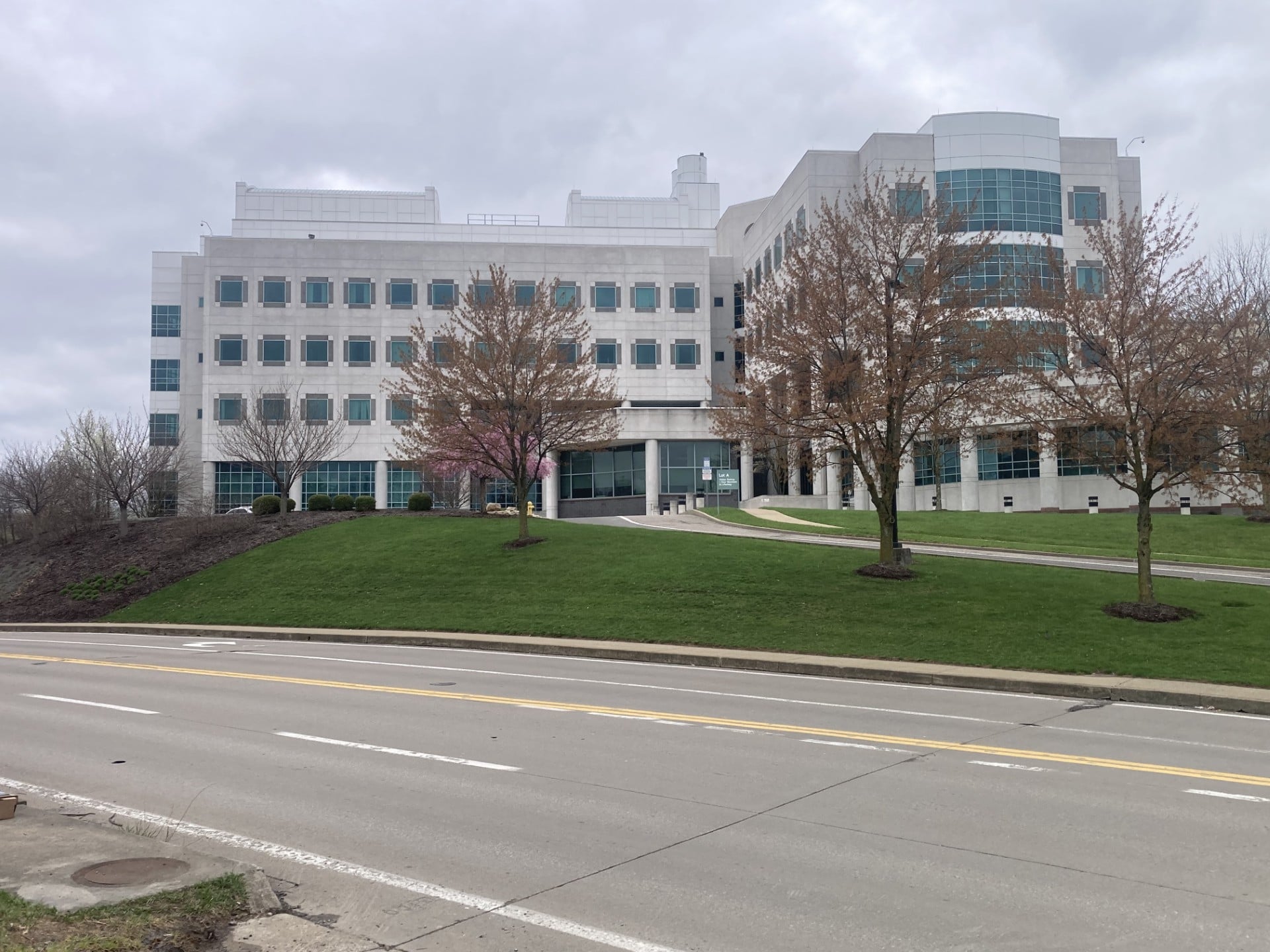
The ax fell at the Morgantown NIOSH last week with 185 union employees told their jobs were being eliminated and dozens more non-bargaining unit jobs.
U.S. Senator Shelley Moore Capito said the office was “cut to the bone” and there are very few workers left there.
Capito spoke to Kennedy about NIOSH Thursday.
“During their discussion, the secretary committed to reviewing the NIOSH decision and keeping the health and safety of our miners top of mind when making agency decisions going forward,” Capito Communications Director Kelley Moore said.
Kennedy has previously said the DHHS cuts were made to address redundancy across agencies with like departments. He said the goal was to eliminate redundancy and cited things like more than 100 communications departments, 40 procurement departments, and dozens of IT and personnel departments across the DHHS.
Kennedy described the cuts as a response to what he called marking a reduction of “bureaucratic sprawl.”
Morgantown NIOSH retiree Anita Wolfe said the problem is her former agency is very unique and not only serves workers and employers but also two other key federal agencies. The functions performed by NIOSH are significant and impactful for both the workforce and employers.
“To make it safer, healthier and more productive for workers, employers and our nation,” Wolfe said. “For employers, NIOSH assessments and solutions lead to safer work environments, which could reduce costs associated with workers compensation and lost productivity.”

The cuts have, for the most part, gutted NIOSH in Morgantown—an agency feeding important research data to the Occupational Health and Safety Administration (OSHA) and the Mine Safety and Health Administration (MSHA). The three organizations are markedly different—NIOSH sets the standards while OSHA enforces them in the workplace and MSHA enforces them in the mining industry, Wolfe said.
“NIOSH is distinct from both OSHA and MSHA in that those are the regulatory agencies,” Wolfe said. “The research conducted at NIOSH is used by those regulatory agencies to develop their regulations.”
American Federation of Government Employees Local 3430, 30-year NIOSH worker, Cathy Tinney-Zara said they had assurances that complete cuts to programs would not be made. She said leading up to the April 1 announcement they were informed the cuts would primarily be made in administrative areas.
“That it would not be affecting studies or programs, and that is not the case in Morgantown because there is research that has been interrupted,” Tinney-Zara said.
The day the announcement was received, the facility received a shipment of animals in order to continue research that reportedly had to be euthanized because there are no researchers. Other sectors that analyze workplace air quality and other operations for safety have been closed down, Tinney-Zara said.
“What he’s saying and what is actually occurring are two different things,” Tinney-Zara said. “We are being affected by our research—everything in NIOSH is being affected.”
Tinney-Zara said she and the American worker and industry could be affected as the 180 or so workers that were let go Tuesday wait for a final decision from the federal government.
“Everything that is going on at NIOSH is being affected, and in the long run, if this doesn’t stop, it will be the workers that are hurt,” Tinney Zara said.