

MORGANTOWN, W.Va. — The United Mine Workers of America is celebrating a decision by the General Services Administration to reverse the closure of more than 30 U.S. Mine Safety and Health Administration field offices.

The MSHA field offices are located near areas of heavy mining operations and closing would make the inspectors’ access more difficult due to increased travel time. The inspections are congressionally mandated and the inspectors must remain in close proximity in case of an emergency.
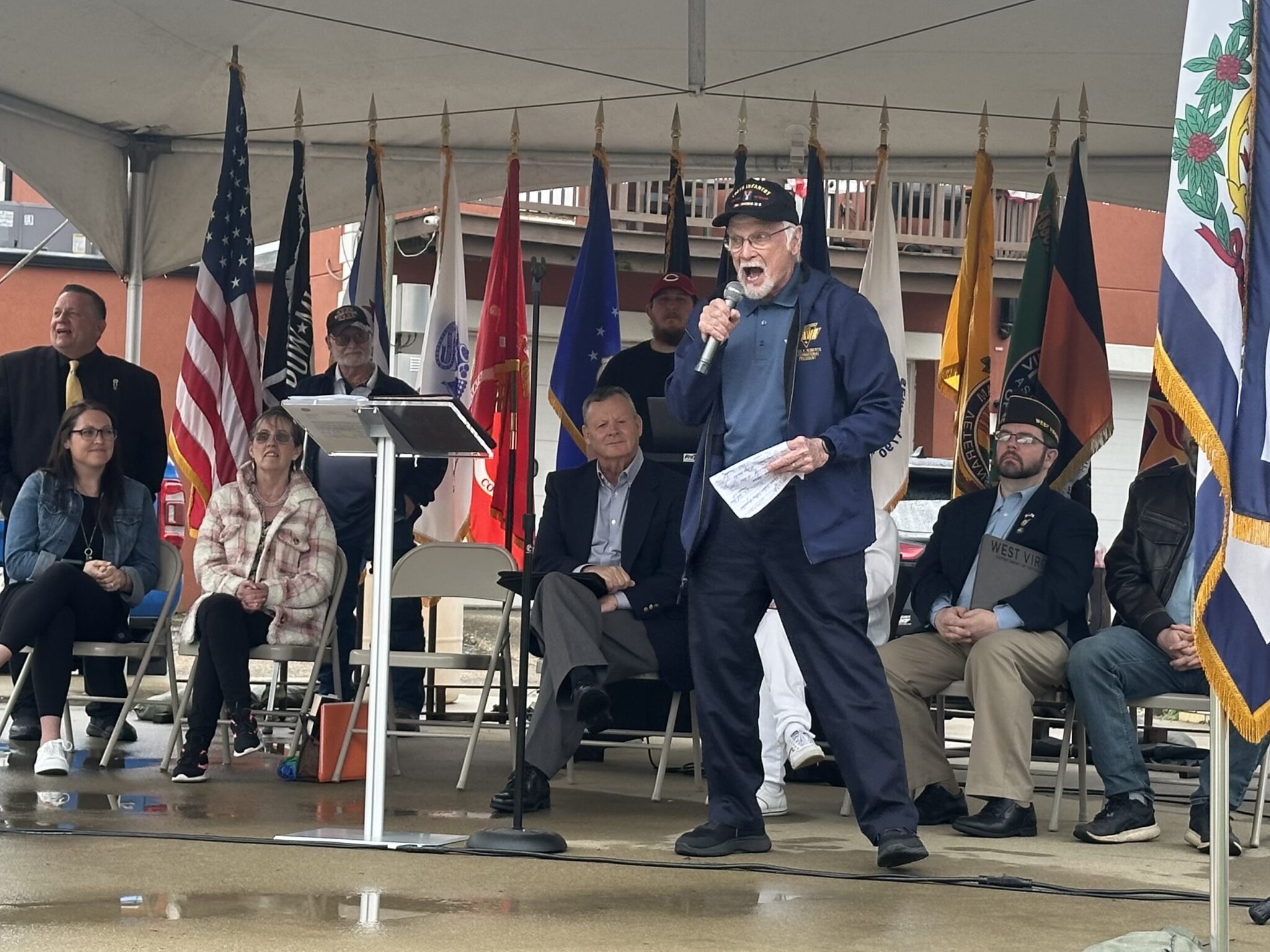
“The idea that anyone would even consider shuttering dozens of MSHA field offices, most of which are located in remote mining communities, shows a fundamental misunderstanding of what it takes to keep miners safe,” UMWA President Cecil Roberts said in a Friday news release. “We’ve said from day one that cutting these offices would compromise inspectors’ ability to respond quickly to accidents, enforce safety regulations, and protect the lives of our members and their coworkers.”
Roberts said this should have never happened.
“Mine safety is not something you experiment with,” Roberts said. “We cannot afford policies that gamble with miners’ lives just to see if the system holds. Fortunately, cooler heads prevailed — but it should never have taken public outcry to get here.”
The inspectors conducted 17,000 inspections between 2024 to 2025, according to the Appalachian Citizens’ Law Center.
In April, nearly all of the workers at the National Institute of Occupational Safety and Health (NIOSH) were given termination notices, including employees of the Coal Workers’ Health Surveillance Program and the Mining Research Division. The employees in those departments study black lung trends and improve mine safety. Following the NIOSH layoff notices, MSHA voluntarily delayed implementation of the long-awaited silica rule, Rule 40 that will create the OSHA Respirable Crystalline Silica Standard.
“For months, coal communities have been raising the alarm about how cuts to MSHA and NIOSH would be disastrous for our miners,” said Vonda Robinson, Vice President of the National Black Lung Association. “We’re glad that the administration has listened and restored these offices, keeping mine inspectors in place. We’re grateful to Sens. Kaine and Warner and Rep. Scott for their work elevating threats to coal miner safety and health. We’re going to keep making progress and do whatever it takes to protect coal miners from black lung disease and accidents.”
“I’m happy they’re going to keep these MSHA offices open,” said Gary Hairston, president of the National Black Lung Association. “We need these offices that are close to the mines so that MSHA can conduct safety inspections and respond to accidents in a timely way. Now we need MSHA to enforce the new silica rule, and we need Congress to give MSHA enough funding to do its job.”
“Black Lung is a terrible disease with no cure and very limited treatments; It’s also 100% preventable,” said Dr. Drew Harris, University of Virginia Pulmonologist, Medical Director of Stone Mountain Health Services’ black lung program in Virginia, and member of Appalachian Voices. “With cases of black lung at near historical high levels in Appalachia, we need all the support and resources available to protect coal miners from dangerous dust exposures. I am pleased the administration is not planning to cut back on these critical resources needed to protect working coal miners. But more work is needed to stop the ongoing crisis of black lung. I hope federal regulators work to enforce the new silica dust rule in the immediate future.”