

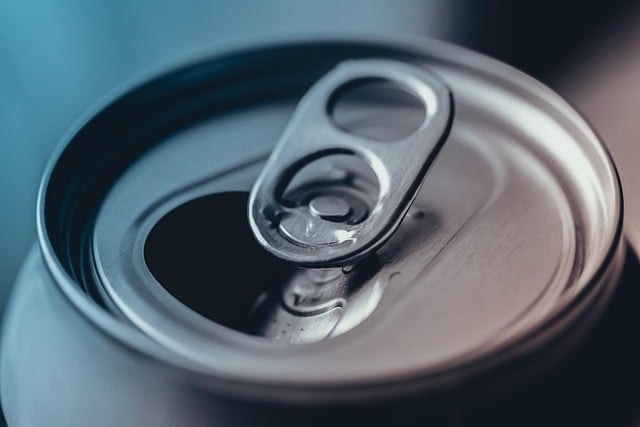
The U.S. Department of Agriculture has asked several questions about how West Virginia would manage proposed changes to purchases allowable under the Supplemental Nutrition Assistance Program.
For example: what about bottles of sweet tea?
West Virginia has applied for a federal waiver to remove soda from eligible purchases under SNAP while also adding some hot foods considered healthy under allowable purchases for recipients.
West Virginia is among several states seeking changes to its supplemental food program. Nebraska was the first state in the nation to receive a waiver to move toward restricting low-income recipients from using SNAP benefits to buy soda and energy drinks.
The Food and Nutrition Service in the federal agriculture department has taken a first look at West Virginia’s waiver application and responded with some followup questions about some specifics and practical applications.
Under the state’s waiver application, the drinks meant to be removed from eligibility for purchase through SNAP include regular soda, diet soda and zero sugar/calorie soda.
The waiver request says:
“Soda pop” or “soda” means any carbonated non-alcoholic beverage that contains water, a sweetening agent (including but not limited to sugar, high-fructose corn syrup, or artificial sweeteners), flavoring, and carbon dioxide gas to create carbonation. This term includes beverages with added caffeine or other ingredients but does not include carbonated water without sweeteners or flavoring.
The initial response from the federal agriculture department notes that the Dietary Guidelines for Americans states that replacing added sugars with low- and no-calorie sweeteners may reduce calorie intake in the short term and aid in weight management, although questions remain about their effectiveness long-term.
The federal guidance suggests West Virginia change its definitions to reflect that.
As a related question, the federal reviewers asked if sparkling waters with flavor will be affected.
“The Dietary Guidelines state that calorie-free flavored waters can be among the most nutrient-dense options when they contain little, if any, sweeteners. Is the intention to exclude even those carbonated waters that only include natural flavors and do not include added sugar, sweeteners, or other ingredients?”
On another more specific matter, the federal agriculture department asked, “The State agency does not specify a restriction against items such as sweetened tea. Will these also be restricted under this pilot?”
Meanwhile, the state is asking to allow some hot foods like rotisserie chicken or meatloaf from retailer grocer delis to be allowed expenses through SNAP.
“Some hot foods served from grocery store delis would be eligible to be purchased with SNAP benefits. WV will avoid foods that are breaded, deep-fried, smothered in cream sauces,” according to the waiver request.
The federal Food and Nutrition Service would like to know, “What criteria did the state use to place items on the list of hot foods that would be permitted under this waiver?”
Then there was this practical question: “What sides are counted as eligible combos?”
West Virginia’s waiver request acknowledges a possible cost to institute the changes to be be passed along to the state’s 2,118 SNAP retailers.
“West Virginia does not foresee a Program cost increase for State or Federal partners. Rather, the cost of changing systems and upgrading to comply with this waiver will be shifted to SNAP retailers operating within WV,” according to the waiver request.
The waiver request goes on to say, “WV understands that smaller retailers may have less capacity than larger retailers. The state will provide technical assistance to any retailer who requests additional information and help.”
The federal reviewers would like to know more about effects on retailers. On several aspects of how retailers could be affected, the initial review made comments like “please explain this in further detail.”
One question was how changes might affect non-chain stores that do not use automatic scanning systems at the time of purchase. “What procedures will exist to ensure that these stores do not accept SNAP for prohibited items? Will there be a phased in approach or will all retailers be expected to participate on implementation date.”

Gov. Patrick Morrisey, at a public appearance this week, said his administration believes costs to retailers will be minimal. He said that issue came up mostly because the waiver form required addressing effects on retailers.
“We don’t expect that there will be; we think it’s de minimis, but they have requirements that they put in place that you include within the waiver. So we think this is going to be really no, not very much if it’s de minimis,” the governor said in response to a question by reporter Steven Allen Adams of the Ogden Newspapers.
On the definition of what’s counted as soda, the governor said West Virginia is aiming to nudge people toward choices that are actively healthy.
“It’s appropriate because we have always said that the N and SNAP stands for nutrition, and soda has no nutrition, whether it’s regular or diet, and so what we’re trying to do is ensuring that there’s no taxpayer subsidizing of soda,” Morrisey said, noting that people could still buy soda with their own dollars.
The West Virginia Retailers Association indicated it has reviewed the waiver request and is anticipating some adjustments.

Bridget Lambert, president of the association, anticipates working with state officials “with the goal of a smooth transition for the residents, families with children, seniors, veterans, and disabled consumers participating in the SNAP program.”
Within months, the changes could be apparent at checkout.
“Retailers that serve the 273,981 citizens participating in WV SNAP may soon see changes to the program for the first time,” Lambert said.
“While the West Virginia waiver proposes a restriction on the sale of soda to consumers participating in the SNAP program, at the same time it adds hot food options such as a rotisserie chicken for in-store purchases. The senior citizens who participate in the program should find this option a nice alternative and convenient food choice.”

Kelly Allen, executive director for the West Virginia Center on Budget & Policy think tank, said the initial federal review “raises important questions that highlight why SNAP restriction waivers like this have never been approved under any previous administration, including during the first Trump Administration.
“While adding hot foods to SNAP is good policy, the administration goes too far by paternalistically limiting which hot foods are allowable. These restrictions are complex to implement, and little evidence exists that SNAP recipients partake in more unhealthy foods than the average household and no evidence has found that these restrictions will change diets overall.”