

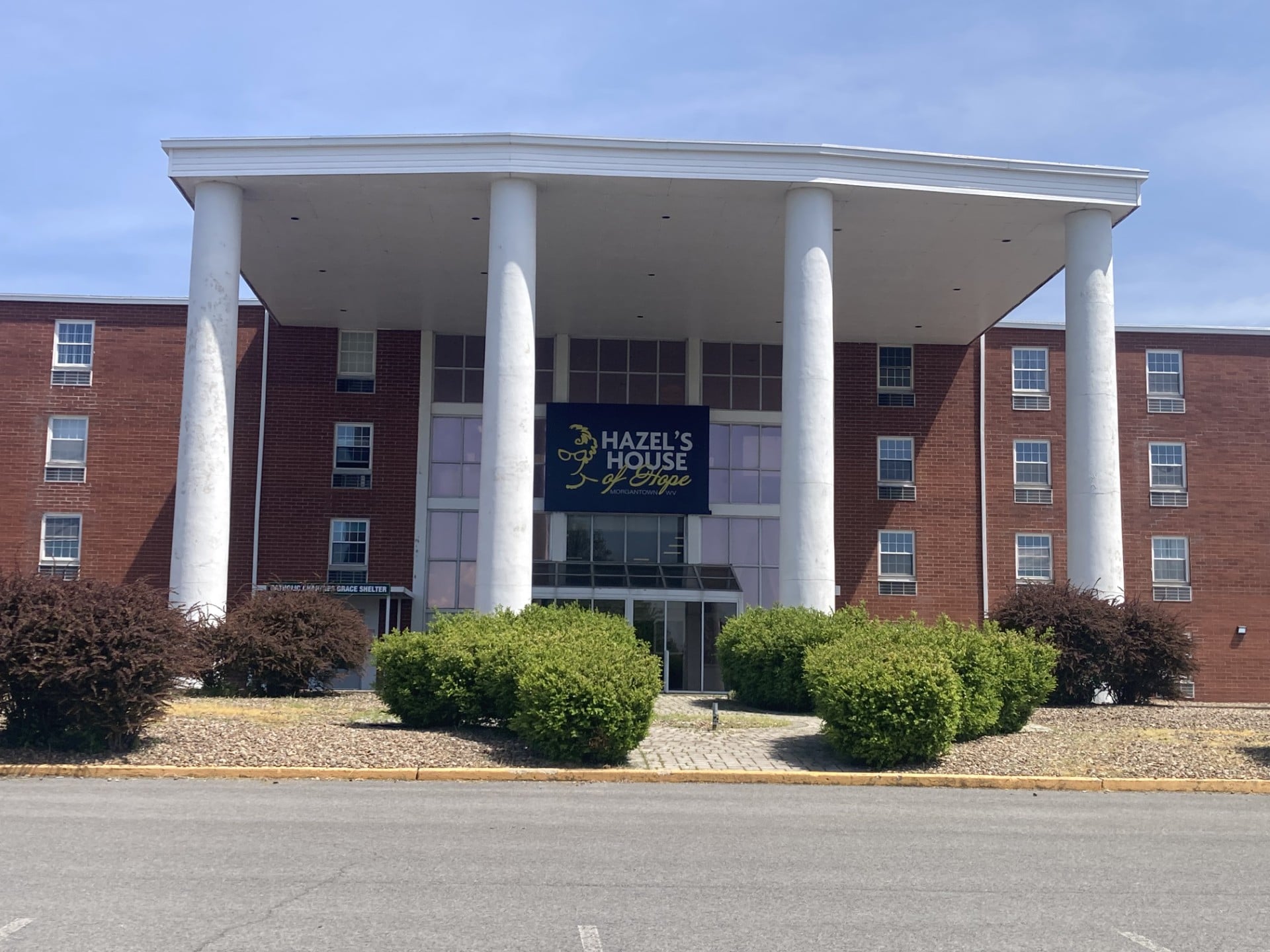
MORGANTOWN, W.Va. — Grace Shelter at Hazel’s House of Hope, operated by Catholic Charities West Virginia (CCWVa), has been open and at or above capacity since last October.
The 19-bed shelter and 22-bed Project Rainbow, which caters to the LGBTQ community, are the emergency shelter options in the Morgantown area as the camping ban goes into effect.

Director Dr. Jessica Thompson said their capacity was cut from 28 to 19 when the facility was annexed into the city due to the difference between city and county fire codes. That hurt a facility that consistently maintains a waiting list while serving people from as far away as Fayette County in-state to people as far away as Massachusetts, according to Thompson.
“People come from everywhere,” Thompson said on WAJR’s “Talk of the Town.” “So even though the Point In Time (PIT) count states we have approximately 180 in the Morgantown area, we can serve a lot more than that.”
The camping ban has been in effect for days, and so far there have been no noticeable changes in the numbers of people they serve. The reduction in beds has forced Thompson and her staff to turn away even more people that are seeking services.
“We turn away people every day, and we’ve been trying to keep track,” Thompson said. “We probably turn away on average about 20 a month.”
For the people who are turned away, they still have access to the social services at Hazel’s House of Hope that include the Salvation Army and their day room that is open Monday through Friday from 10 a.m. to 3 p.m.. The dayroom offers an opportunity to get something to eat and get in out of the weather.
“They can take showers, watch television, and play games,” Thompson said. “But, other than that, there’s really nowhere else to hang out,” but we do have a pavilion outside that can keep them relatively dry.”
One option to expand capacity is to move into the former space of the Hope Hill Sobering Center inside Hazel’s House of Hope at an additional operating cost of $150,000. This year the facility has offered services to 124 people—35 have been placed in housing, 24 have been identified as chronically homeless, and eight are youths. Thompson estimated there could be up to 180 people dealing with homelessness in Monongalia County.
“We could put 15 permanent beds down there, so essentially that would up our numbers to a total of 34 that we could serve,” Thompson said. “So, the ability is there; we just need to get people on board.”
Each of the 124 people that have received services comes to the staff with needs ranging from needing identification or documents, medical or mental health services, counseling, and food. Thompson said understanding the individuals is the key to getting them into the same category as the 24 people who have been placed in permanent housing this year.
“They may not just be ready to be self-sustaining, and you definitely have to have the buy-in from that individual,” Thompson said. “Sometimes they may not be aware of all the challenges they have until we sit down with them.”