


West Virginia’s congressional representatives voted in favor of legislation to claw back $9 billion in foreign aid and federal funding for public broadcasting.
The vote in the House of Representatives was 216-213, with two Republicans — Michael R. Turner of Ohio and Brian Fitzpatrick of Pennsylvania — opposing it. The House vote followed a U.S. Senate vote earlier this week.
West Virginia’s representatives, Carol Miller and Riley Moore, both Republicans, voted in favor of the legislation.
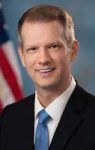
“The American people know waste, fraud, and abuse when they see it, and this package represents the worst of the worst. I’m proud to have voted ‘Yes’ on this legislation, which finally eliminates funding for leftist propaganda networks and significantly cuts back on woke and weaponized foreign aid programs,” Moore said after the vote.
“As the leader of the Republican Study Committee’s Rescissions Task Force, I’m committed to building support amongst my colleagues to codify more of these DOGE cuts. Doing so will ensure every taxpayer dollar advances America’s strategic interests.”
The legislation would halt funding for the U.S. Agency for International Development, global health programs and international peacekeeping efforts.
And the bill would cut $1.1 billion from the Corporation for Public Broadcasting, which funds PBS and NPR.
Senator Shelley Moore Capito, R-W.Va., addressed the cuts during a briefing with West Virginia reporters on Thursday afternoon. Although Capito said she supported the recissions bill, the senator said she hopes West Virginia Public Broadcasting can make up the funding through other means.
“Most of the money that goes out … goes to the local affiliate,” Capito said in response to a question by reporter Steven Allen Adams of the Ogden newspapers.
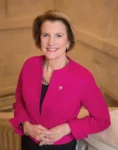
“I would like to see West Virginia Public Broadcasting … be able to sustain itself through other mechanisms, whether it’s more state funding or more donations. The national funding constitutes about 17% of their budget, which is sizable, but it’s not” impossible to make up, Capito said.
Capito said to her ear the national offerings on public broadcasting demonstrate bias.
“Sometimes I will listen to (NPR) when I’m on my drive home. That National Public Radio is definitely leaning left,” Capito said in the briefing with reporters.
“The stories are very slanted, and we’ve been pleading with them to please be more objective. We’re not asking you to be conservative; we’re just asking to be objective, and the refusal to make changes really is quite astounding.”