


HUNTINGTON, W.Va. — A new Marshall University study is revealing that certain vape flavors alone are increasing the likelihood of smoking in adolescents even without the presence of nicotine.
A new preclinical study led by a team of researchers at the Marshall University Joan C. Edwards School of Medicine was published recently in the Journal of Pharmacology and Experimental Therapeutics.
Researchers in the study revealed that certain popular flavors such as vanilla, commonly used in vapes or e-cigarettes’ can drive reinforcement-related behaviors similar to those associated with nicotine, particularly among young people.
Joan C. Edwards School of Medicine Biomedical Sciences Associate Professor Dr. Brandon Henderson said that by using male and female adolescent mice, researchers tested the effects of flavored vapor.
Henderson said they train the mice to press buttons that allow them to voluntarily inhale flavored aerosols common in popular vape products.
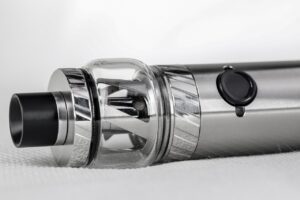
“So we can actually use the same devices that you buy from a local smoke shop, you’ve probably seen Mr. Smokes all over the place, you can buy vape tanks from them, we can hook them up to our system, the mice press a button, it activates a vape tank, the mice can then inhale them,” Henderson told MetroNews.
Henderson said they also utilize methods similar to what is seen in a neurological facility where they implant devices that monitor activity within the brain.
He said as the mice inhale the nicotine and vape products, researchers measure the dopamine levels in their brains.
Henderson said that throughout the study, the mice would be assigned different devices and e-liquids with some having vanilla flavoring by itself, some receiving it enhanced with nicotine, and some having just a controlled treatment.
He said it was revealed that with or without the presence of nicotine, the brain chemistry of the mice was being altered.
“We basically saw that the vanilla flavors will enhance nicotine’s addiction potential, but the vanilla flavors by themselves also change dopamine, which is one of the neurotransmitters for reward, so it would enhance dopamine release, and also the mice would work to self-administer vanilla flavor by itself,” he said.
 The study also revealed, however, when testing the mice with the cherry flavor alone, that it did not have the same reward-seeking effect in the brain that the vanilla flavor produced without being paired with nicotine.
Henderson said that since this is a study using mice and not humans, there are naturally some limitations, but the brains of both mice and humans are similar enough that different brain circuits can be measured and translated over to human brain impacts.
Henderson said this study opens the doorway up to address the longtime questions surrounding vaping as they try and pinpoint what the long-term effects of it actually are.
“We’re in a time where there’s this huge debate about whether or not vaping is an avenue of sensation, whether it’s harm-reduction,” he said.
However, he said that it also helps them look at the root cause behind smoking addiction overall.
“The other side of the coin is that, of the people that smoke or vape, 90-percent of them started when they were young, and so, we have to think about what these new products are going to do for youth initiation,” Henderson said.

Henderson said they have been studying the possibility of smoking addiction without nicotine for a few years now.
He said a paper they had published back in 2022 focused on green apple flavor, and that was the first study they conducted showing there’s flavors in the absence of nicotine that can trigger addiction behaviors.
The school of medicine’s ongoing study now finds both vanilla and green apple flavor molecular compounds can affect nicotinic acetylcholine receptor (nAChR) function– proteins known to play a central role in nicotine addiction.
Henderson said that whereas the national smoking rates for a regular cigarette or nicotine product are rather low among teenagers and young adults, the rates of vaping continues to increase.
He said the concern is that this is just going to be a different generation of lifelong smokers, and instead of combustible cigarettes, it’s now vaping.
“That’s why there has been a lot of attention with looking at specifically adolescent populations and what these vaping products could do to neurochemistry, neurophysiology,”