

CHARLESTON, W.Va. — The days of January 2, 3, and 4 in 2006 turned out two of the biggest stories in West Virginia’s history. One of them was euphoric and the other left a long and painful legacy on everybody involved.
The euphoric story was West Virginia taking on Georgia in the Sugar Bowl. The Mountaineers, led by Pat White and Steve Slaton, went to Atlanta to face the Bulldogs and ran wild. The game left notable video and pictures of Georgia fans in disbelief of the speed they were witnessing out of the Mountaineers. However, WVU fans in the Georgia Dome that night, amid the celebration, were also keeping a solemn spot in their heart for the families of 13 coal miners back home.
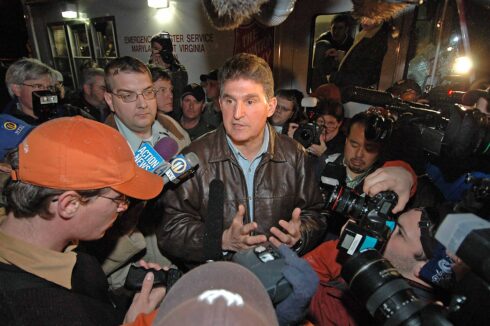
On the morning of January 2, 2006, an explosion rocked the ground beneath Upshur County and left the miners trapped underground. The miners worked for International Coal Group at the company’s Sago Mine operation near Buckhannon. Rescue teams rushed to the mine and in Atlanta, then Governor Joe Manchin, announced the development on MetroNews Talkline which was live in Atlanta that morning before heading back to West Virginia.
“My first flashback was to the 1968 mine explosion at Farmington. My Uncle John was in that mine. I knew what my family went through waiting in agony. We didn’t hear a thing and I wasn’t going to let that happen to any families while I was Governor. So I told my security detail we had to get back,” said Manchin 20 years later recalling the tragic event.
Listen to “20th Anniversary of Sago Mine Disaster” on Spreaker.
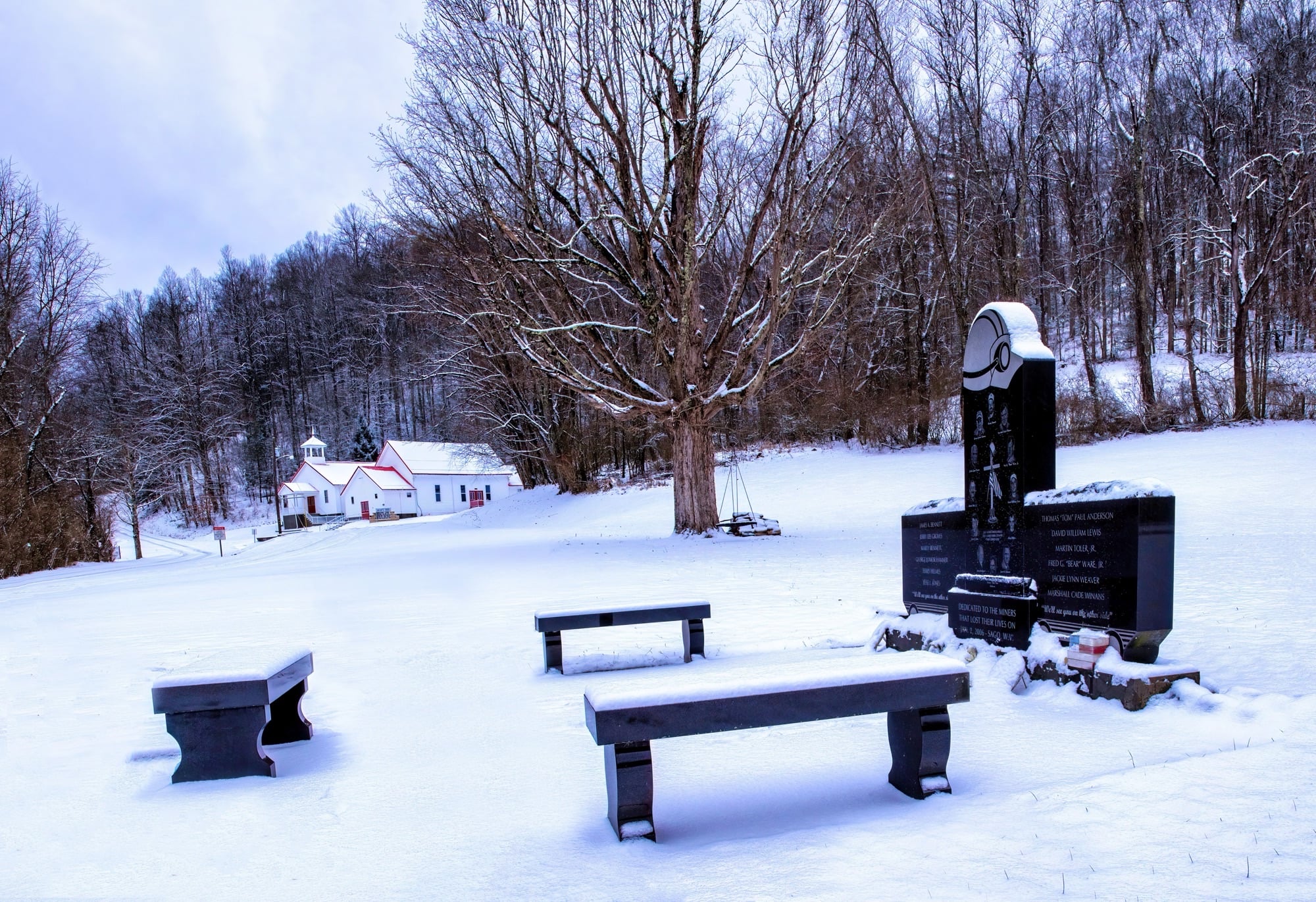
At the mine site, rescue teams amassed at the mine entrance. The families of the miners gathered to pray together at the nearby Sago Baptist Church.
“We had them there and I said we’ve got to keep them up to date. So even if we didn’t have anything new to report, we continued to update them every two hours,” said Manchin.
He and ICG President Ben Hatfield would visit the church and deliver any new developments in the search to the families. Afterward, they would brief the media in an area outside the church as the vigil continued. The interest grew by the hour and the tiny community became the lead story on every newscast worldwide.
By the end of day two a discovery was made which created a sense of hope. One miner was found dead, but the mantrip the workers should have been on was empty and there were footprints leading away from it. There was also evidence the SCSR oxygen units carried by each miner had been deployed.
“We knew some of them had survived the initial explosion, so we were looking for 12. Those in the know said they’re trained to go to the face where they were cutting coal, to barricade there, and wait,” Manchin explained.
The news created a sense of hope for a miracle. Carbon monoxide readings remained elevated as rescue teams worked frantically to reach the face where they believed the men would be waiting for help.
On the third day, the team reached the miners right where they thought they would be. The team worked feverishly and tried to communicate information to the surface. However, those communications were misconstrued.
“It was late at night and somebody told me they found them alive. I just knew that would have been a true miracle because the air quality was so bad,” Manchin explained.
But he too had hope and worked to confirm if they had been found alive. But before he could confirm it, word leaked out to the church.
“All of a sudden we heard the God awfulest celebration at the church. Somehow they intercepted that and somebody told them they found them alive,” Manchin remembered.
The church’s bell was ringing, sirens were blaring, and victims’ families were rejoicing and praising God for a true miracle. But, it was soon learned the initial claim all had been found alive was misunderstood and only one had survived. The rest were dead.
“Nobody wanted to go say anything. I knew I had to talk to the families so I went to the church. I said there’s been a horrible, horrible miscommunication. I’m so sorry, but we only have one person alive, the rest were not able to survive. The place went crazy,” Manchin recalled.
Families were crestfallen and euphoria turned to heartbreak and then to rage. State Police had to restrain at least one individual in the church who came at Manchin and Hatfield. Manchin said to this day, it’s the hardest thing he’s ever had to do.
“As a human being, forget being a leader or a politician, but going out and being the bearer of such horrific news. I’ll never forget it and it will never leave me,” he said.
An complete investigation of the disaster revealed the explosion occurred inside a sealed area of an old part of the mine where methane gas had accumulated. The ignition source was a lightening strike on a steel vent pipe on top of a mountain which travelled into the old area and set of the blast. The force blew out the seals and seeped deadly carbon monoxide into the working area where the men were located.
The miscommunication about the fate of the miners was blamed on several factors. Radio transmission from inside the mine was poor and broken. The rescue team leader speaking to the command center was also difficult to hear because he was speaking through a mask. The team was frantically trying to save McCloy and get him out. Inside the command center, the excitement upon realizing the possibility of a miracle spread rapidly and somebody inside the command center wrongly leaked the erroneous information to somebody at the church via a cell phone and created the false narrative.
Through conversations with the lone survivor, Randall McCloy Jr., MSHA investigators were able to learn many of the SCSR breathers miners are required to carry with them at all times didn’t work. Most were out of date and banged up and damaged from being worn on belts for months at a time in the workplace. The disaster led to legislation requiring the coal operator to keep a cache of fresh SCSR units in strategic point throughout the mine. The Sago disaster also led to the development of underground rescue chambers.
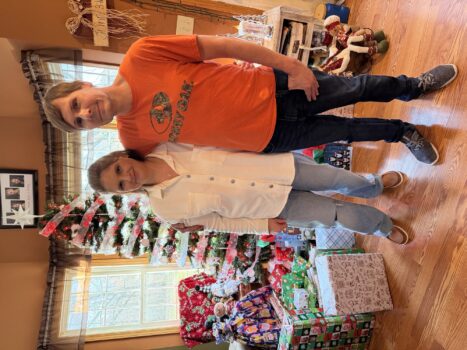
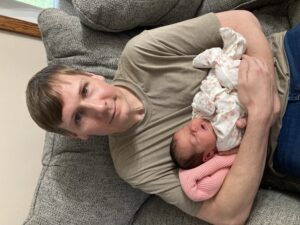
McCloy amazingly recovered from carbon monoxide poisoning. He and his wife Anna still live in West Virginia today. He never returned to work in the coal mines. Their children, who were very young at the time of the incident, are now grown and the couple has grandchildren. Randall respectfully declined an interview request with MetroNews, but his wife Anna McCloy offered a statement from the family:
“We know many people have been asking about how he’s doing, so we wanted to share a bit about our lives right now. Randy is doing really well and is keeping busy. We have six kids and three grandchildren, and we spend a lot of time with them laughing, talking, and simply enjoying each other’s company.
Randy stays busy at home and loves being with the kids and grandkids. We try to make the most of every moment together. Going to church brings him a lot of joy. He enjoys singing, praising God, and holding on to his faith, which has helped us through so much.
We really try to appreciate every moment. We know we are blessed and are very thankful for the life we have together. We thank everyone who has prayed for us, keeps praying, and supports us. Your prayers have helped us get this far, and we are grateful for each one.”
Today, a monument stands near the tiny Sago Baptist Church as a lasting tribute to the 12 men who died in the nearby mine. The mine closed permanently in 2008.