


MORGANTOWN, W.Va. — Monongalia County’s ‘Whole Blood Program’, which enables paramedics to give whole blood in the field to injured patients with severe bleeding, has taken off and changed the game of emergency care across the state.
Cabell County was the first county in the state to participate in the Whole Blood Program beginning in late 2023. After seeing great success, Harrison County joined the effort in March 2024 and Monongalia County a month later.
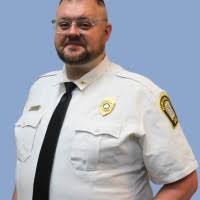
Although only 100 EMS agencies across the nation are utilizing this program, Dr. Robby May, director of clinical services for Monongalia County EMS, said the program is extremely beneficial for patients and will continue to expand in the near future.
“It’s a very new practice, but one that has been shown in countless research studies and countless other EMS agencies to have a tremendous impact on saving our sickest patients,” May said.
With the help of this program and its blood administration, many individuals have been given yet another shot at life, despite the odds being stacked against them.
“We have a 75% survival rate, which might sound bad, but I want people to think that these are the sickest of the sickest patients that likely, if we didn’t have blood in the field, wouldn’t have survived at all,” May stated.
Originally, in order to administer blood to patients, two paramedics, each passing necessary state training and testing, needed to be in attendance, but as of Jan. 1, 2025, state rules were modified. While an authorized paramedic must still be in attendance, the second clinician can now be a trained EMT, which is especially useful for the state as the decline of paramedics in West Virginia continues.
“We can make sure that we’re getting those patients that need blood the blood that they need in the field without any kind of administrative holdup in the background, while still ensuring that these people are highly trained and know exactly what they’re doing in these type of situations,” May said.
In the span of just six months, the Monongalia County EMS has performed 14 administrations of blood and they average around two to three units of blood per month. Most of their missions have occurred outside of Morgantown, mainly in the rural areas of the county, where healthcare and hospitals are a great distance away.
The Monongalia County EMS has determined that 55% of the time the blood administrations have occurred in the case of medical emergencies, such as a post-procedure complication or gastrointestinal bleed, rather than solely traumatic injuries, in which most people would assume to be the biggest need for blood.
As the Whole Blood Program continues to see success across the county, May continues to remain optimistic about its presence and is excited to see the program reach other counties across West Virginia.
“I have no doubt that we’ll continue to expand in the future with our capabilities and the types of things that previously were only able to be done in an ER but now can be done in an ambulance,” May concluded.