

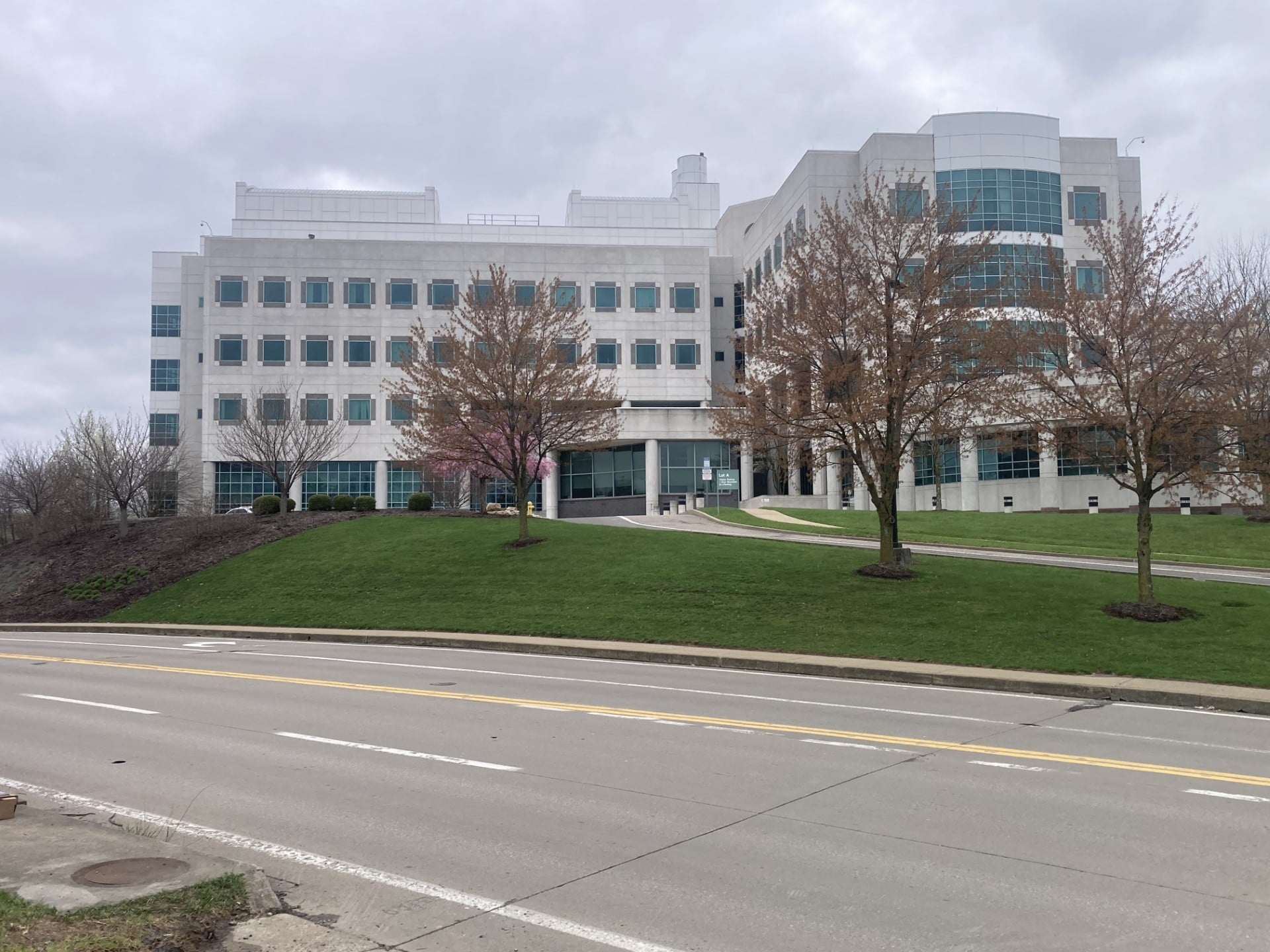
MORGANTOWN, W.Va. — Workers from the National Institute for Occupational Safety and Health are thanking their federal delegation after jobs were reinstated this week.

U.S. Senator Shelley Moore Capito met with Department of Health and Human Services Secretary Robert Kennedy several times over the months NIOSH was closed. Despite small gains she and other elected officials and the employees made sure the administration understood the important unique role they play in our economy.
“They did bring some people back in the middle of the summer at our insistence, but we needed the full contingent because we realized all the services are not being met,” Capito said in her media briefing with state reporters Thursday. “So, I talked to Secretary Kennedy this week and he told everyone is coming back- great news.”
Retired NIOSH worker Anita Wolfe said they fought from the minute the plan to cut the jobs was announced. The Morgantown employees held protests, talked with elected leaders and even testified in a Charleston courtroom in a successful effort to reinstate the Coal Workers Health Surveillance Program.
“Some of those places that got cut were kind of lackadaisical about it like just thinking this is how it is,” Wolfe said. “When they started dealing with us at NIOSH they soon found out we don’t go down easy.”
Wolfe said most of the several thousand workers given the reduction in force notification were placed on administrative leave. Those workers continued to draw their regular pay but were not allowed to return to the Morgantown headquarters.
“Now you’ve got a couple thousand people just at NIOSH sitting at home doing nothing and getting paid, so that was not saving money at all,” Wolfe said.
Wolfe thanked Capito and Riley Moore, R, W.Va-02, for their contributions over the nine months leading up to reinstatement.
“They didn’t give up in Morgantown; they kept their cool and kept making sure people know about the good work NIOSH does, so it was good news all the way around,” Capito said.
What was once a fully staffed agency may have hiring to do before full operations can continue. Some workers retired, took other jobs they could leave, or in some cases decided to refuse to work for the federal government again and find another job.
“They’re estimating the overall NIOSH workforce will be down by about 22 percent,” Wolfe said. “Some people decided to go find other jobs because they didn’t want to sit at home or they didn’t want to work for the federal government anymore because of the treatment.”