

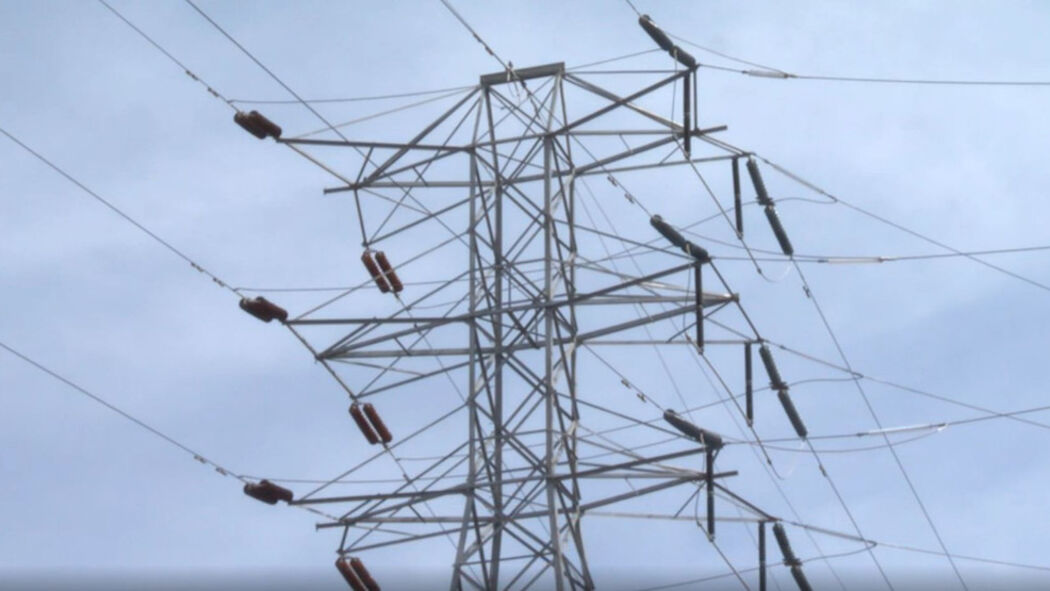
A 107.5-mile, 500-kilovolt transmission line with a preferred route going through several West Virginia counties has reached a milestone on its path through regulatory review.
The MidAtlantic Resiliency Link being developed by NextEra Energy Transmission was filing siting applications today in two of the four states the project would cross, West Virginia and Maryland. Similar filings in Pennsylvania and Virginia will occur later.
A siting application in energy regulation is a formal, often multi-year, legal process requiring developers to obtain approval from oversight bodies like the West Virginia Public Service Commission.
Such applications typically involve rigorous environmental reviews, community impact assessments and public hearing.

The filing can be a resource for the public trying to better understand the project, said Kaitlin McCormick, a senior director on the development team for NextEra Energy Transmission.
Speaking in terms of people in each state affected by the project, she said, “This is a very transparent process that the public can go and track the docket in each of the respective commissions and each of those commissions will identify their own procedural schedule and opportunities for public engagement as part of that process.”
McCormick continued by saying the filing will be loaded with information.
“This is a robust filing that is hitting the docket, and that does include a detailed routing study that we’ve mentioned in the public before. That routing study documents the selection of our proposed route as well as route alternatives,” she said.
The MidAtlantic Resiliency Link being developed by NextEra Energy Transmission after being selected by PJM Interconnection, the regional grid operator.
PJM identified reliability issues resulting from a loss of power generation sources, support for new power sources and additional electricity demand in the region. In response, NextEra Energy Transmission subsidiaries submitted this project as a proposed solution to help address the reliability concerns.
The project would cross parts of four states — Pennsylvania, West Virginia, Maryland and Virginia — so the developer will be going through oversight by the public service commissions in each of those districts.
In West Virginia, the MidAtlantic Resiliency Link preferred route would go through parts of Monongalia, Preston, Mineral and Hampshire counties.
“The routing study highlights a number of our core principles, which we’re trying to parallel existing transmission infrastructure, minimize impacts on the community and landowners, as well as minimizing environmental impacts,” McCormick said.
“Those siting applications also include extensive economic analysis, and we’ve had third parties do that analysis as well to independently analyze and provide their their input in the process, as well as the documentation of the underlying need for the electric grid and the reliability for the region and the service of this project to the broader PJM territory.”
From here, each state regulatory authority will set its own procedural timeline.
“So I think that’s the next thing to really be focused on is watching for each of those commissions issue their timeline for their review process which can take a year or more to work through,” McCormick said, “and that will have their opportunities for engagement there.”