

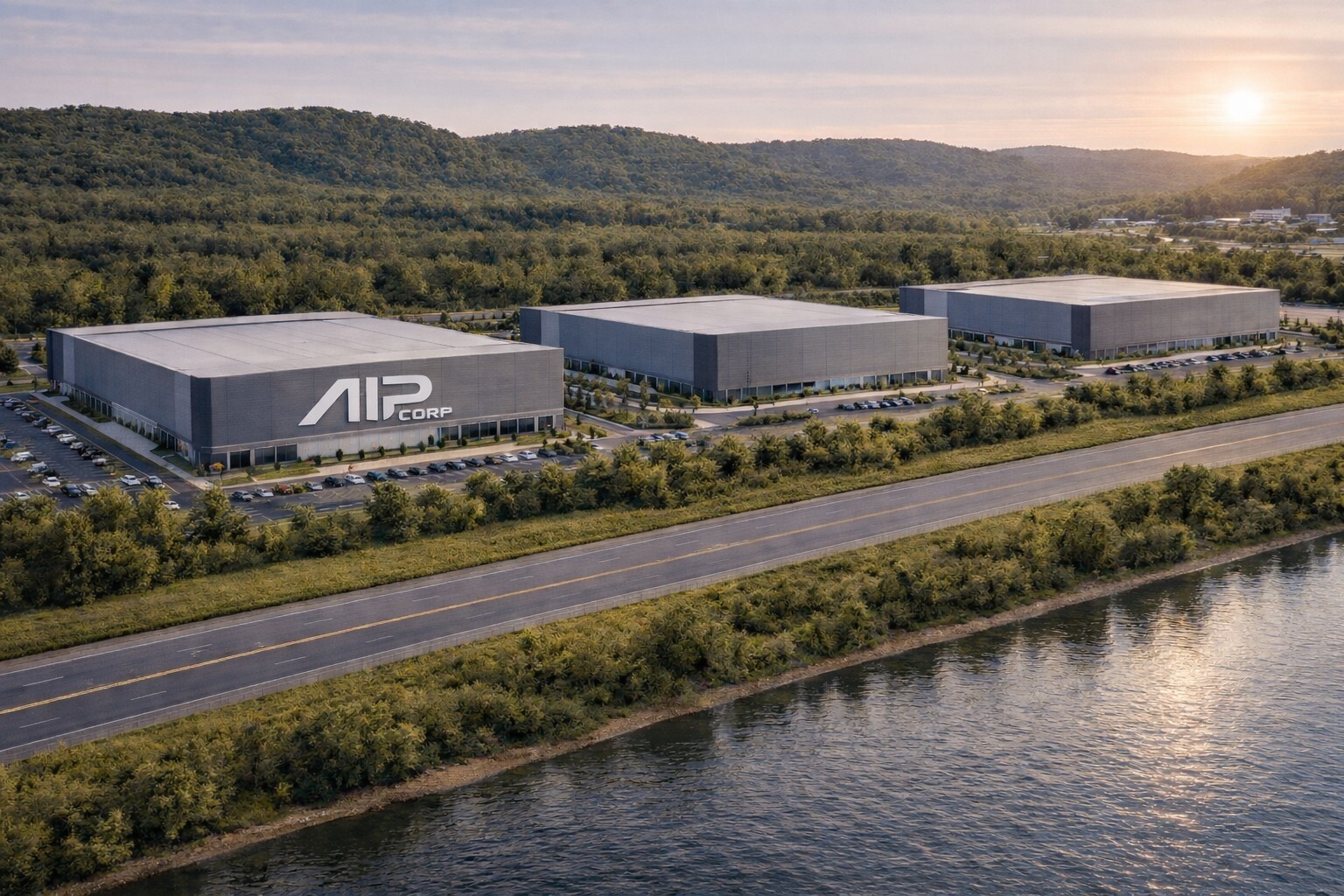
POINT PLEASANT, W.Va. — Environmentalists and opposition groups will meet this evening with residents of Mason County who are raising issues with plans for a data center to be built there. The meeting is being organized by West Virginia Citizen Action. The group’s leader, Morgan King, said the concerns over the data center in Mason County have been simmering but now that the development has ramped up, so has the opposition.
“Originally it seemed like the data center would come last in the series of a bio-energy plant, oil and gas infrastructure, and carbon injection infrastructure that would have to occur, but now it seems like they’ve flipped course and are now prioritizing development of the data center first. That’s why folks are having more energy to talk about it and feeling the urgency to address it,” said King.
The group organized a meeting for Tuesday night at the Krodel Park clubhouse to talk more about the Fidelis data center. King said residents in Mason County had serious concerns about the future.
“Data centers are really water intensive and even in places that might seem water abundant they can deplete water tables and also cause water quality impacts locally, ” she said.
Along with the concerns about the impact on water is the impact on air.
“Even more we’re worried about air pollution. The power source, a micro-grid, that would generate power for the data center is likely to be gas based which could create a lot of air pollution locally in an area that already has air pollution and its impact,” she said.
Local leaders, the Legislature, and the Morrisey Administration have welcomed data centers into the state with open arms and crafted legislation to make them easier to locate here. King and her organization said that was a mistake and the new facilities would be minimal job creators and major polluters.
“It’s kind of a myth that data centers are going to bring significant jobs. You might see a bump in construction jobs at first, but typically with any sort of development we see construction workers coming in from out of state or out of area. Typically we don’t see them sourced locally or especially sourced from union groups,” she said.