

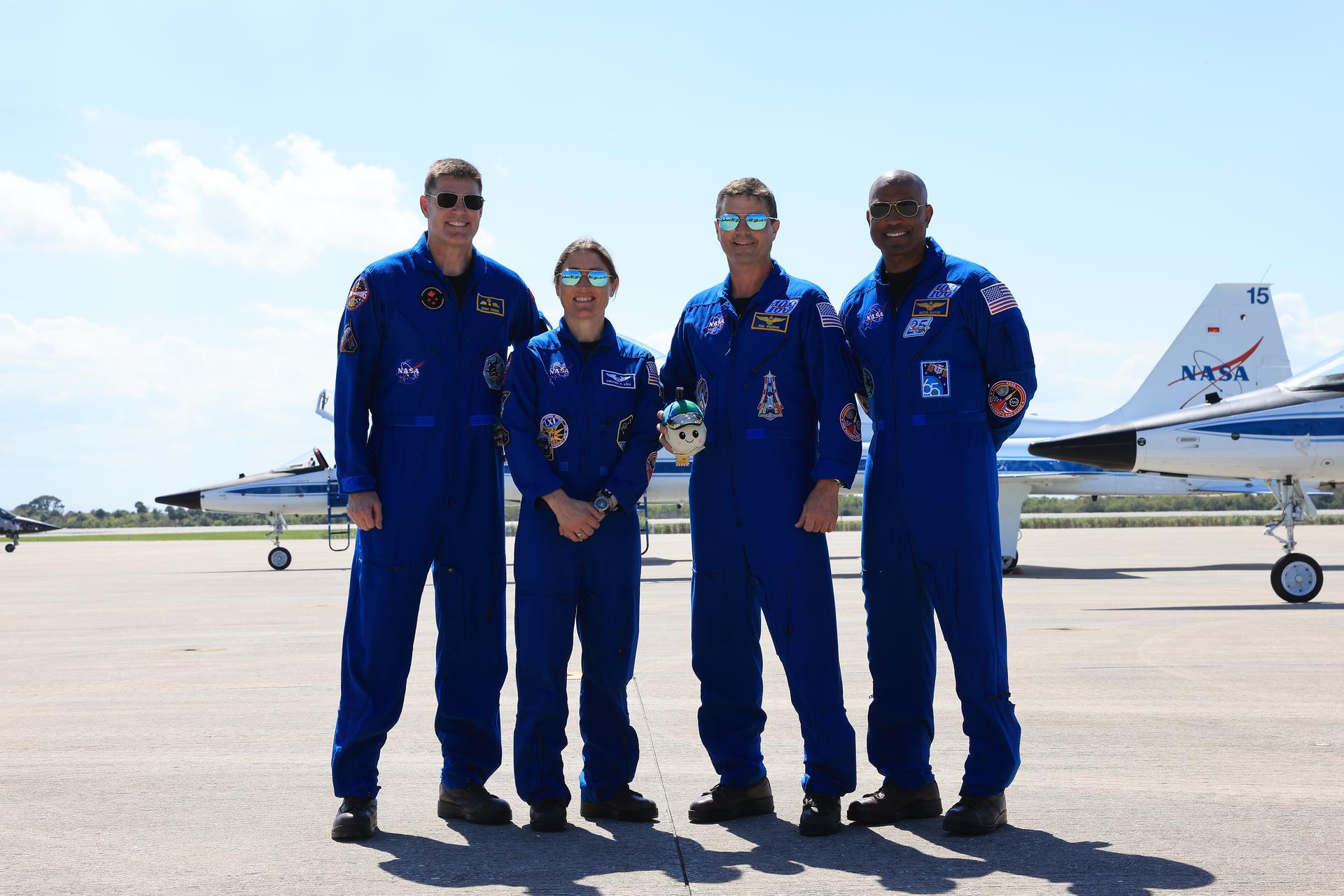
FAIRMONT, W.Va. — A Fairmont company has played a major role in the Artemis II mission and is looking forward to continuing its NASA partnership all the way to the planet Mars.

TMC Technologies President Jeff Edgell said they developed ARRISTOTLE, a comprehensive digital simulator. The simulator allows TMC engineers the work within the Space Launch System (SLS) and Orion flight software while simulating Kennedy Space Center ground systems.
“Simulate what the mission is predicted to do and then determine the spacecraft and components are interacting the way they’re supposed to and see if there are any issues around it,” Edgell said this week on WAJR’s “Talk of the Town.”
Artemis II is scheduled to complete its trip around the moon Friday night with a splashdown off the coast of San Diego.
While preparing and then waiting for the launch, Edgell believed it would be an emotional experience. The launch brought back memories from previous space programs along with emotions and pride for the West Virginia team, a company he has a major role in played a relatively large part.
“It took me back to my childhood and watching the Apollo missions,” Edgell said. “To know West Virginians are involved in that and specifically the company I’m a part of and we were involved with ensuring safety.”
TMC Technologies has about two dozen workers who have developed the system to go out and find the potential bugs before the crews are thousands of miles away from home in space.
“It’s dealing with how the system is supposed to work and also looking at cases where things could happen outside the mission plan,” Edgell said.
Before looping back to the earth, the Orion spacecraft traveled more than 250,000 miles at its farthest point, breaking the record for human space flight set by the Apollo 13 mission in 1970.
Much of what TMC does is classified for obvious reasons, but Edgell said the ARRISTOTLE is just one they’ve worked with NASA on this mission. The advanced software assurance and high-fidelity simulation work ensure the safety and protection for astronauts and mission-critical systems during flight.
“There are a lot of things we do here to make sure the entire system is going to operate the way it was intended and all the pieces integrate well together and identify any risks, mitigate the risks, and make recommendations for changes,” Edgell said.
The ARRISTOTLE system can be adapted for other applications, and it is expected to be used in upcoming Artemis missions.
“Then we’ll eventually build out a platform on the moon, which will be used for an eventual mission to Mars,” Edgell said. “There’s a long series of missions coming, and we’re super excited to be a part of that.”