

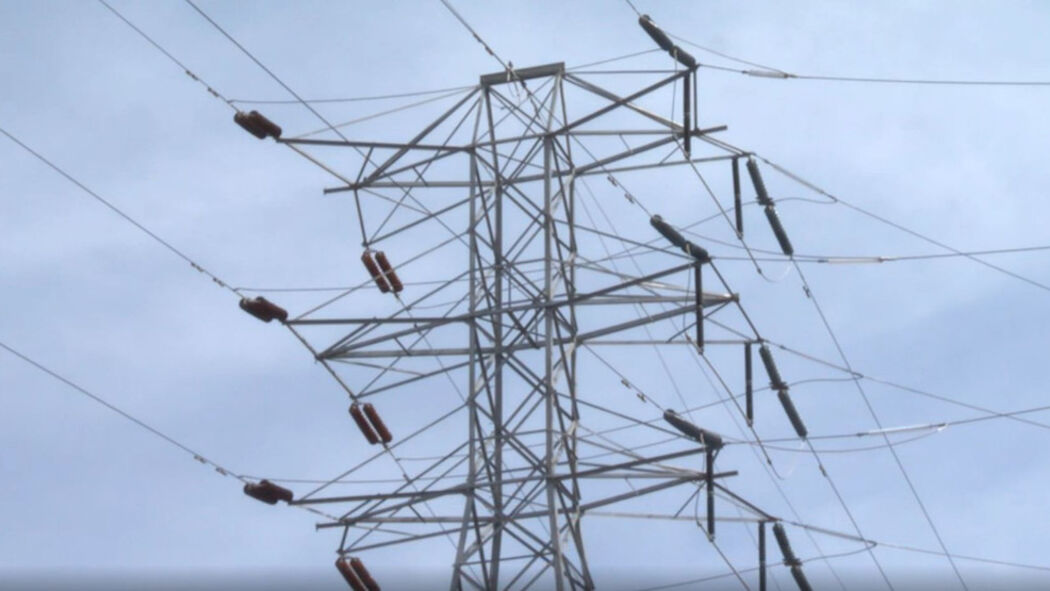
CHARLESTON, W.Va. — Research by a recognized political pollster revealed West Virginia voters are overwhelmingly in favor of upgrading the state’s power grid. The research done by pollster Mark Blankenship and Associates revealed the results seem to be the same across all demographics and geographic regions of the state. People are looking for more reliability from their electric company’s delivery service and a more affordable product.
“Sixty-eight percent not only said this should be a priority, meaning upgrading the grid and reliability of electricity in West Virginia. Ninety-five percent said it should be at least an important priority,” said Blankenship.
Most West Virginia voters agree the state’s electric grid must adapt to rising demand and aging infrastructure. Strong public support for policies aimed at modernizing the grid and strengthening transmission capacity exists across the entire state. The research even included counties where the controversial MARL transmission line is slated to be built, even thought it will have no benefit with drops for power in any West Virginia location. The reaction to the questions was still the same and drew a lot of support.
Former Senator Craig Blair who now heads the group West Virginians for Affordable and Reliable Energy said the state has a great opportunity to become an even bigger player on the national stage as an energy producer, but it can only happen if infrastructure is upgraded. Blair said according to the research, West Virginians overwhelmingly favor the upgrades.
“When you’re taking it to market out of state as an export product, which generates over $700 Million to our economy and over 87,000 jobs, you’re also creating a backbone network in-state that you can actually do further development like Nucor, Commercial Metals, or wherever it may be,” he said.
Blankenship suggested the research overwhelmingly showed voters believe grid modernization will address issues of significant importance to them personally such as reliability, affordability, and economic growth. Policies that emphasize practical benefits, like fewer outages, stronger infrastructure, and improved economic opportunities—resonate with the public
“If you oppose something like this and voters want economic development, they want job creation, and they want lower cost, you’re going to have to answer to voters why you didn’t support something that could address those three issues,” Blankenship added.
The upgrades would also create construction jobs, support local economies, and drive the potential for more business location.
“If it’s addressing the economy, and addressing their cost of living by lowering it, of course they’re going to support it. It’s a no-brainer,” said Blankenship.