

CANAAN VALLEY, W.Va. — State lawmakers want to continue to find more information to address the funding formula for school aid as costs to provide special education continue to rise.

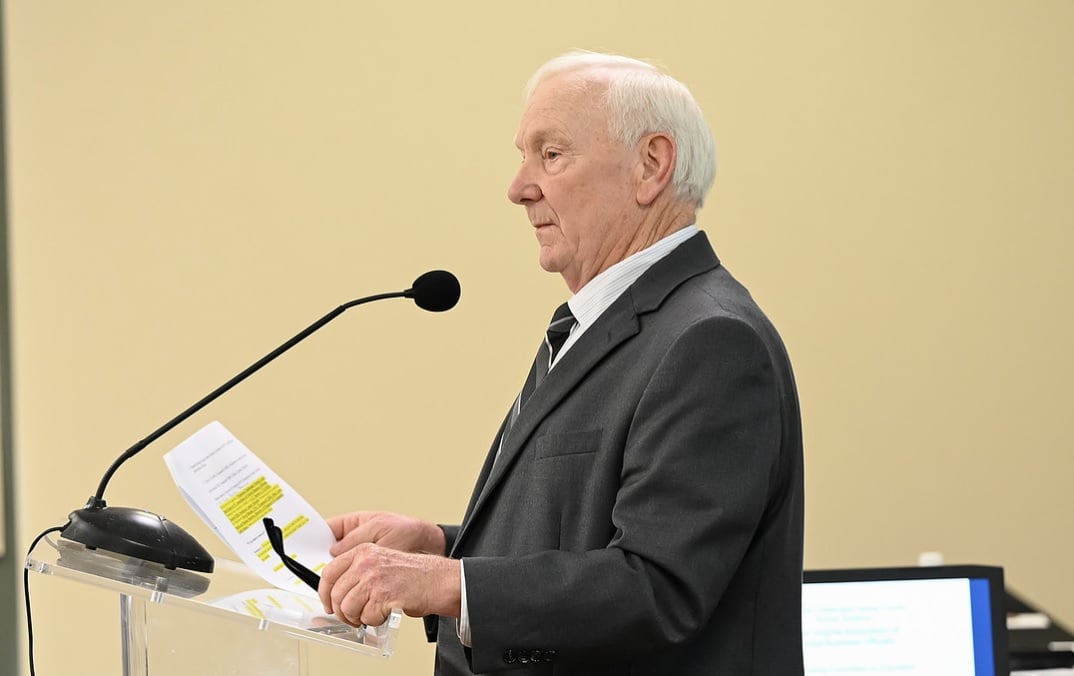
The Joint Committee on Education met Monday morning as part of interim meetings hosted at Canaan Valley State Park, where treasurers from school systems across the state emphasized the need for the state school aid funding formula to account for special education services that have risen in every aspect from transportation to in-school services.
House Education Committee Chair Joe Statler, R-Monongalia, called for more discussions between state leaders and local school officials to address the approximately $170 million funding shortfall.
“We’re exploring this, not only the funding formula but especially special needs, we’re going to turn every stone over,” Statler said. “I am not going to allow any piece of information to be buried beneath something that we can’t find, if at all possible.”
In the presentation in front of the committee, Ohio County Schools Chief Financial Officer Steve Bennett described a situation for the school system where rising costs are conflicting with declining enrollment. Much like other counties, the Ohio County School System has a decline of enrollment of nearly 10 percent while also dealing with special education costs that have risen over 25 percent in less than five years. Aspects of the current financial situation of many school systems statewide that administrators feel need to be accounted for.
“For Fiscal Year ’22, we were at $7.1 million in expenses out of our general fund, and through April of 2026, we are at $9.5 million,” Bennett said, detailing special education costs for their county. “As you can see, that is quite the increase in special education funding.”
The increased costs to provide special education have also been seen in school systems that have extra financial support on a local level through levies. Berkeley County Schools Chief Financial Officer Jim Butts told the joint committee on Monday that their respective school systems will need to account for over $10 million in special education costs, that’s even after federal and state reimbursements. A situation that is not considered sustainable.
“Just on pre-K transportation alone for special needs, we spend about $1.6 million on contracted services,” Butts said. “Then when you get outside of that, given our location, we actually have a fair amount of students that we have to do what’s called out-of-state placement for, and we spend about $4.2 million a year on that.”
Kanawha County Schools Treasurer Melanie Meadow testified that her district spends roughly $6,700 per special education student, creating an annual gap of about $7 million.
For Statler, the presentation reflects the need for legislatures to continue to find avenues to address the increase in education costs that are being seen statewide. Among the proposals under consideration are providing additional funding based on the level of services required for special education students and averaging enrollment declines over multiple years to reduce abrupt funding losses. Before a formal plan is established, legislatures want to look at every avenue possible to address costs that don’t appear to be changing anytime soon.
“We’re thinking on everything we can, we’re reaching out to the systems every day, we’re reaching out to the association, we’re reaching out to all corners that we can,” Statler said. “This is an ongoing issue that we’re going to be working on well into the other interim meetings,” said Statler.