

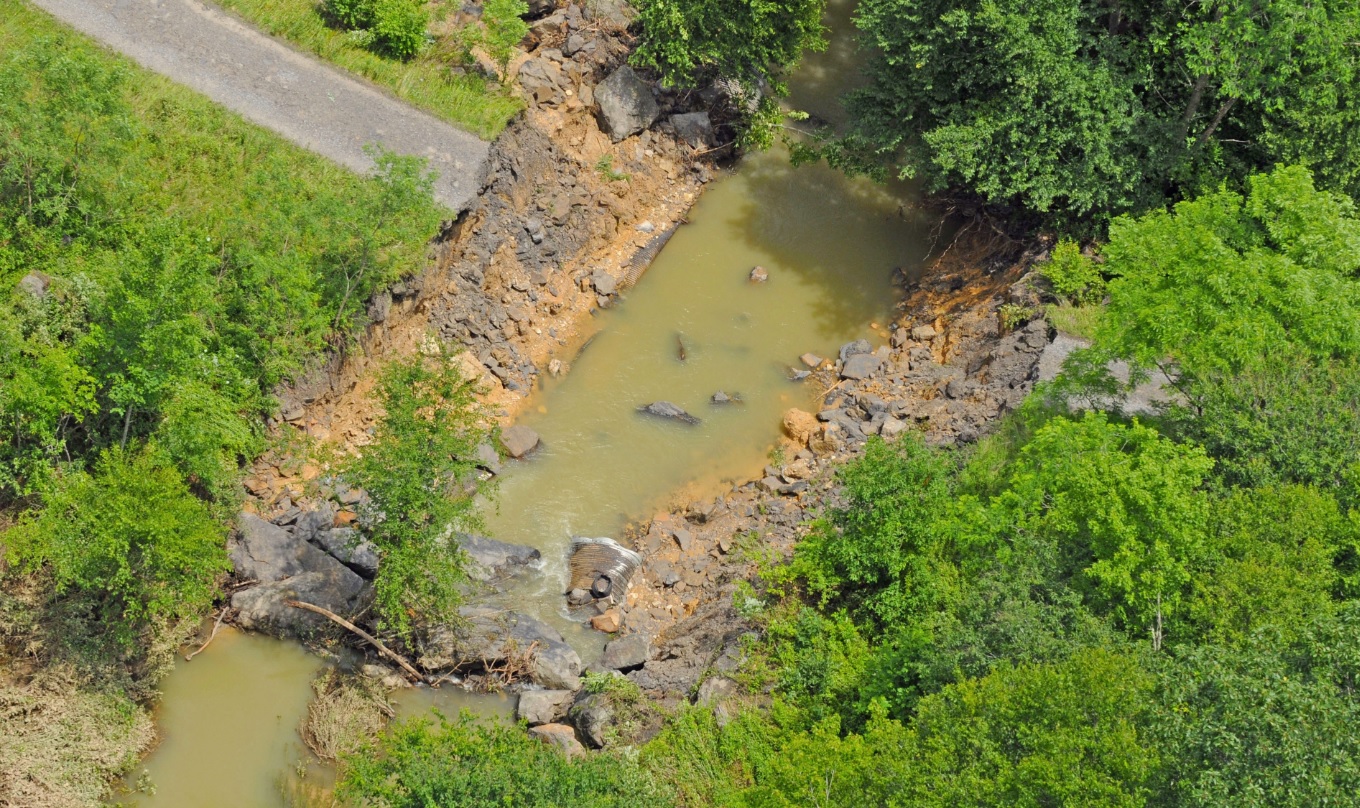
CHARLESTON, W.Va. — MetroNews has looked back during the past week at the June 23, 2016 flood and the death and devastation it caused in more than a dozen Mountain State counties.
To wrap up that coverage, MetroNews asked officials with the Federal Emergency Management Agency (FEMA) five questions about the flood and where West Virginia stands today.
The following are those questions and FEMA’s answers:
MetroNews: FEMA helped nearly 5,000 individuals with various levels of assistance in West Virginia. What does that say about the scope of the flood?
FEMA: FEMA approved 4,949 awards and provided $42,352,923.65 in Individual Assistance under this event. Individual assistance was designated for 12 counties. DR4273WV, the resulting disaster declaration for the severe storm, landslides, and mudslides, has been the costliest disaster in West Virginia in the past decade.
MetroNews: FEMA also forwarded nearly $173 million for public assistance…also wondering how that speaks to the scope of the flood?
FEMA: As of May 11, 2026, FEMA has funded a total of $560,510,817 in Public Assistance (PA) Projects. PA was designated for 18 counties. The event had a total of 136 PA Applicants, which have submitted 989 projects for reimbursement of disaster-related damages. Of these, 24 projects and 10 applicants remain open and in process. The severe flooding and mudslides became one of the most destructive and costly disasters in modern West Virginia history.
MetroNews: What were the biggest challenges with this particular disaster event?
FEMA: Communities experienced widespread damage affecting homes, businesses, community hubs, and infrastructure simultaneously. The complexity of this incident required close coordination among local and state officials, voluntary organizations, and federal partners to prioritize community needs efficiently and adequately allocate resources to those in need. Significant infrastructure was damaged, including multiple schools that required extensive rebuilding projects.
Local, state, and federal partners also came together to meet the need for housing after this event. Many households were displaced or living in severely damaged homes, and experienced barriers such as limited rental or temporary housing stock, insurance claim delays, or challenges obtaining replacement documentation. FEMA and the State activated a Direct Housing Program for 44 families with limited housing resources in four (4) of the 12 designated counties. Implementing a Direct Housing mission required extensive coordination between Voluntary Organizations, Local, State, and Federal partners.M
MetroNews: Is West Virginia better prepared today to handle a similar event? Has there been enough mitigation? Etc…
FEMA: Over the last decade, FEMA has continued to work closely with West Virginia to strengthen relationships among federal, state, and local partners, to include establishing a FEMA Integration Team office in Charleston, which houses FEMA response, recovery, and mitigation staff. FEMA has supported West Virginia’s response and recovery on 15 declared disasters since the 2016 floods and continues to engage with WV on planning and preparedness efforts, to include training and exercises.
Following the devastating June 2016 severe storms and flooding in West Virginia (FEMA-4273-DR-WV), the state was approved for expedited Hazard Mitigation Grant Program (HMGP) funding. HMGP provides funding to state, local, tribal and territorial governments to develop hazard mitigation plans and rebuild in ways that reduce or mitigate future disaster losses in their communities. This funding becomes available following a Presidentially declared disaster.
A major focus of the grant that WV received after the 2016 flood was to fund comprehensive, statewide multi-hazard risk assessments and update the 2023 State Hazard Mitigation Plan.
Managed by the West Virginia University GIS Technical Center, the risk assessment included the following components:
- Flood Risk Assessments: Detailed assessments for all 55 West Virginia counties and 232 incorporated communities.
- Data Integration: Creation of a statewide geodatabase of specific structures located in floodplains, accompanied by 3D visualizations and water surface elevation grids.
- Mitigation Strategy: Hazard identification and analysis encompassing flooding, landslides, dam failure, and wildfires to drive community resiliency.
- Public Resources: Publishing actionable hazard data on federal geo-platforms and state portals like the West Virginia Flood Tool.
Using HMGP funding, the state also funded the elevation or acquisition and demolition of numerous damaged properties. This reduces or eliminates the flood risk for these properties.
MetroNews: What would the agency consider some of the most rewarding accomplishments in the flood response? Helping build new schools? Helping communities?
FEMA: FEMA’s mission is to help people before, during, and after disasters. Working with our state and local partners to help individuals, families, and communities recover and become more resilient is a rewarding role. While there is no one project that was ‘most rewarding’, every event brings an opportunity for lessons learned and best practices that will inform how FEMA provides assistance in the future.
From the 2016 floods, FEMA worked extensively with West Virginia, Local governments and the West Virginia Voluntary Organizations Active in Disaster (VOAD) to assist families who were living in temporary FEMA Manufactured Homes.
Voluntary agencies provided an extensive amount of support to survivors by helping communities efficiently utilize FEMA awards to purchase building supplies and by coordinating volunteer labor to build and/or elevate homes. This process helped a lot of families develop a permanent housing plan with limited options/housing stock available.