

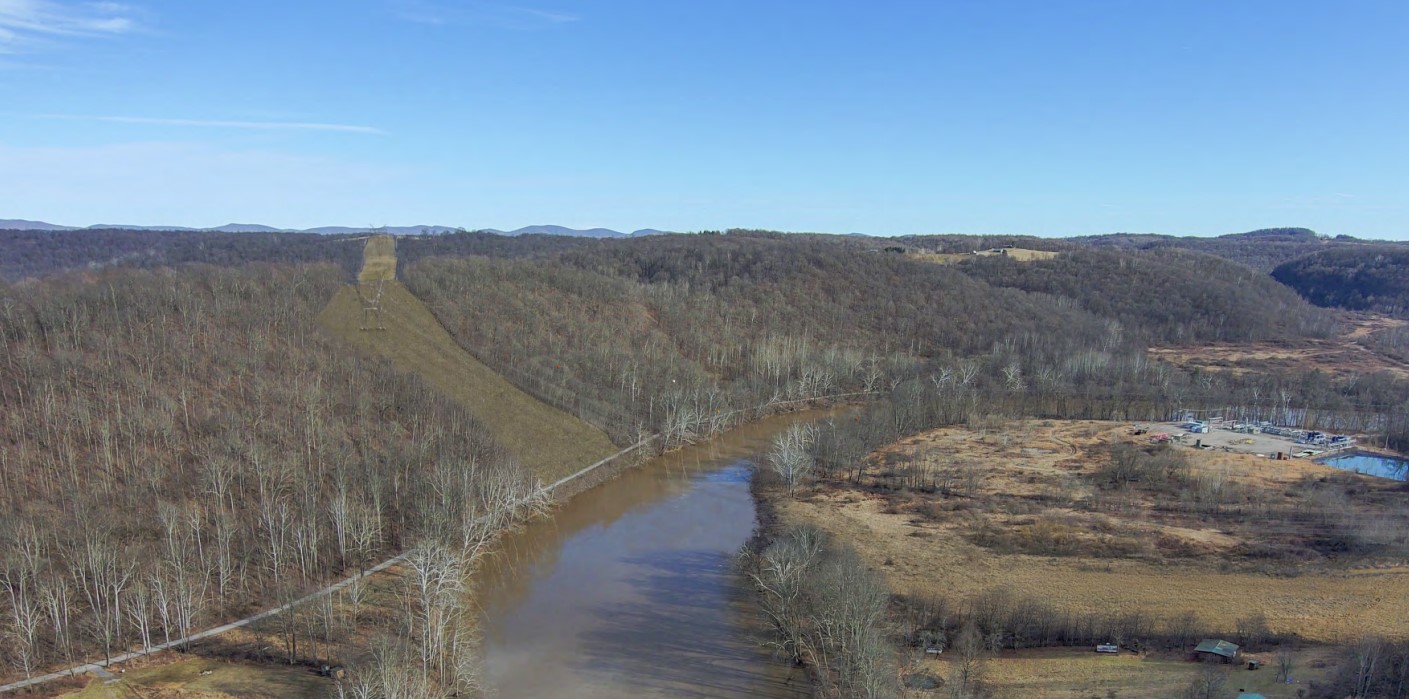
BELINGTON, W.Va. — Residents living in the potential path of another 765 KV transmission line were blindsided in recent weeks with correspondence to announce plans for the project. Known as the Valley North Project, it could potentially impact a lot of homes and pass through large tracts of private land which have been in families for generations.
The 260-mile line would impact as many as 15 West Virginia counties.
“We have a starting point in Putnam County, West Virginia and an ending point in Frederick County, Maryland, and in between those two points we have a big study area on routes,” said Lauren Siburkis, spokesperson for the Valley North Project.
It’s one of three projects identified on the group’s website. The others include the Joshua Falls to Yeat Project which is in neighboring Virginia and the Thornburg Substation Project, which is also in neighboring Virginia. The developer of the line is an organization called Valley Link, a joint venture between First Energy Transmission, Dominion Energy, and Transource Energy, a division of American Electric Power. The three companies are collaborating on the project to upgrade electric service into the area of Northern Virginia, Maryland, and eastern West Virginia.
However, much like the Mid-Atlantic Resiliency Link, the opposition has been growing from the moment the notice first appeared in West Virginia mail boxes.
“There’s five routes proposed through Barbour County right now, one of which goes within 30 feet of my home and then also extends through our farm to encompass about 70 acres of our property,” said Amy Rollins of Belington.
Rollins is the third generation owner of the farm in the Belington area and she’s not alone. She organized a meeting of neighbors and other Barbour County residents who are hoping they are not too late to the fight against the project.
“Needless to say when we realize the severity of this we were devastated. Since then it’s been a total flood of emotions, but we are empowered to fight this and save our total farm,” she added.
“We understand property impacts are one of the most important concerns for landowners. We’re committed to working directly and respectfully with each of those property owners along the proposed route,” Siburkis noted.
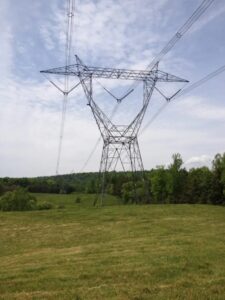
The company has already begun their mandated public meetings with those who will potentially be impacted. Those started in June and have already been staged in Jefferson, Berkeley, Hampshire, Tucker, and Hardy Counties. The meetings will continue this week with a meeting Wednesday in Barbour County and Thursday in Lewis and Upshur Counties. The meetings continue throughout the month and the full schedule can be seen here.
“It’s going to take the entire state uniting to fight this. There are multiple community meetings and everybody needs to attend and fight against this together,” Rollins said.
Their opposition includes many of the same criticisms residents offered about the MARL project.
“This does not benefit West Virginia at all. We’re literally being used as an extension cord between these data centers. It’s going to increase our electric bills, decrease our property values, and the loss of land for farm owners and homeowners is exponential,” she added.
Siburkis disagreed and said while she understands the anger and frustration, the power lines are important to keep up with growing demands for power throughout the region.
“One of the most common misconceptions about this project is that it’s simply a pass-thru that doesn’t benefit West Virginia or local communities and that is just not accurate. The Valley North project is designed to build a foundation of a stronger grid in our region. Without that foundation we can’t add new local infrastructure, and support local economic development or even maintain today’s level of electric service,” Siburkis explained.
She also pushed back on the data center claim.
“Certainly data centers do have an impact on the strain we’re currently facing on our grid, but we’re facing a number of things. We’re facing electrification with more and more people moving to the region and higher population. We’re also facing retiring generation and all three of those things combined have really put a strain on our grid,” she said.
She stressed they have not settled on any route at this point, but are exploring the options which would create the least amount of disruption to the fewest people and be economically feasible before they settle on where the line will go. The route would still need approval of the state Public Service Commission.