

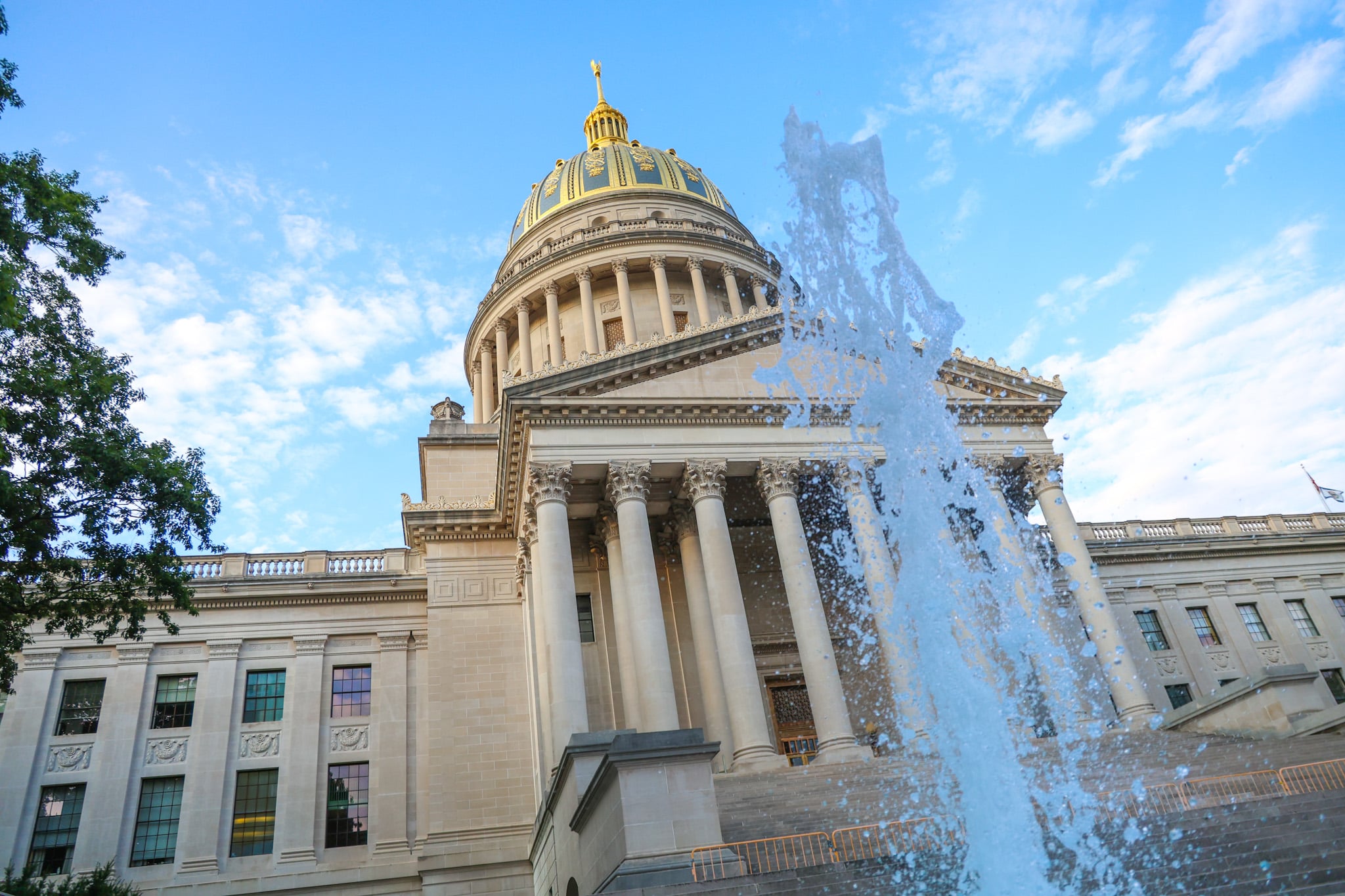
The West Virginia Department of Human Services described the near completion of a review of West Virginia’s programs under Temporary Assistance for Needy Families.
The safety net program, often called TANF, provides monthly cash payments and support services to low-income families with children to help them achieve economic stability and self-sufficiency. It is a federally funded, state-run program often referred to as “welfare.”

In May, Gov. Patrick Morrisey indicated the state has a $40 million structural gap in funding. Citing expanded pandemic-era spending, he warned this shortfall could affect programs like childcare, Family Support Centers, and school clothing vouchers.
“You can’t run deficits, and you can’t run them because you forgot to turn off the spigot with covid (emergency funds) going offline, and we’re certainly committed to being fiscally responsible, while also helping people who are very much in need,” Morrisey said in May.
Today, the Department of Human Services released a statement saying that while the state receives about $99 million in federal grants annually, it has been spending about $137 million by depleting reserve funds that are expected to bottom out within 13 months.
The state says Morrisey directed a review to align expenditures with recurring revenue rather than relying on temporary boosts.
“The goal is to protect critical services while putting the program on sustainable financial footing, so these programs remain available to the West Virginia families who need them most – this year and in the years ahead,” the agency said in today’s statement.
After evaluation, the state authorized immediate release of fiscal 2027 funding for six initiatives, including those focused on transportation, education, and family health. Together, the programs represent about $3.8 million in TANF funding, the administration said.
The following programs have completed review and will immediately receive fiscal 2027 funding:
- TANF West Virginia 211
- TANF West Virginia Department of Education: Assess
- TANF Good News Mountaineer Garage Inc.: Donated Vehicles
- TANF WV Alliance for Sustainable Families: Earned Income Tax Credit (EITC)
- TANF WVU Research Corp: Healthy Families
- TANF Community and Technical Colleges
Additional programs, such as the SPOKES project, will continue to operate using unexpended prior-year funds while their specific reviews are completed.
The Department says it expects to announce the remaining TANF funding decisions in the near future as it concludes its comprehensive review.

“While we’ve long warned the state’s flat budgets were a myth propped up by a reliance on one-time federal and state surplus dollars, the critical programs TANF funds and West Virginia families rely on deserve sustainable funding sources,” said Kelly Allen, executive director of the West Virginia Center on Budget & Policy think tank.
“It’s a shame the Governor’s administration failed to bring these issues to lawmakers until after the budget was enacted and he pushed through hundreds of millions of dollars in tax cuts that could have gone towards these child well-being programs.”

Jim McKay, state coordinator for Prevent Child Abuse West Virginia, said he is glad the governor ended the delay in the release of funding for several additional TANF-funded programs.
But, he said, “Programs like Family Support Centers, Child Care Resource and Referral Agencies, and Legal Aid that serve hundreds of families across the state remain in limbo despite being included in the budget and the state’s federally approved TANF state plan. Cuts to these programs will make life harder for families.”
McKay said the $3.8 million represents just a slice of the $177 million in TANF expenditures that lawmakers and the governor approved just three months ago in the state budget bill.
“Less than two weeks ago, the Governor celebrated a $370 million budget surplus, and at his urging, lawmakers enacted a permanent income tax cut this year. It is unclear how the state’s revenue picture can simultaneously be so bright that a permanent tax cut is affordable, yet so bleak that cuts to programs serving children are an urgent necessity,” he said.
“Our children deserve to be our state’s highest priority. That means preserving and expanding the programs that help them thrive.”