


CHARLESTON, W.Va. — Kanawha County Schools are tackling the stigma around mental health with a new program.
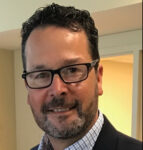
Kanawha County Schools Executive Director of Counseling Jon Duffy outlined a comprehensive plan to the county board of education during Thursday’s meeting.
“In Kanawha County Schools, we know that more than one teen died by suicide last school year,” Duffy said. “And our district’s goal for the 2026-27 school year is zero suicides.”
Duffy said according to the 2019 Youth Behavioral Risk Survey, suicide was the second-leading cause of death in young people between ages 10 and 24. He cited world-renowned research from Florida State University Professor of Psychology Dr. Thomas Joyner, who identified three factors that reduce suicidal ideation:
1. Connection — where a student has at least one trusted, caring adult in the school who listens.
2. Sense of Purpose — where a student has a reason to come to school each day.
3. Sense of Hope — where a student believes that things can get better: in school, at home, or in their overall life.
Duffy said the district will keep those factors in mind as they strive to prevent any suicides from happening at Kanawha County Schools. He noted Joyner’s work found two main factors that often contribute to young people pondering taking their own life — thwarted belonging or perceived burdensomeness.
“In other words, students who feel hopeless, like nobody cares, as though the school or the world would be better off without them, are more likely to attempt suicide,” Duffy explained.
The comprehensive plan will include four main components — staff training, parent education and prevention digital social media campaign, student training, and piloting a national, student-led suicide prevention program in three high schools.
Duffy said the first component, staff training, will take place on August 17 and 18. He said each of the middle and high schools will participate as a group in a one-hour training module through the national Signs of Suicide (SOS) program.
The second component of the plan is a campaign educating parents on social media about suicide prevention. Duffy mentioned that September is Suicide Prevention Month and this plan will be rolled out county-wide that month.
The third element is student training. Duffy said SOS curriculum is used in thousands of schools around the nation. Thanks to Marshall University’s Aware Department purchasing $500 subscriptions at each of the Kanawha County middle and high schools, he said they’ll be able to implement the Signs of Suicide education.
Duffy said they’ll roll it out during September’s third week for high schools, with middle schools following the next week. There will be “refresher lessons” during the last week of January 2027 and the first week of February as well.
He said the program teaches middle and high school students how to identify warning signs of suicide and depression in their peers. The SOS program outlines three goals, according to Duffy:
1. Decrease suicide and suicide attempts through educating students and adaptive attitudes about depression.
2. Encourage personal help-seeking and/or help-seeking on behalf of a friend through the A.C.T. framework.
3. Reduce the stigma of experiencing mental health concerns.
“SOS encourages students to A.C.T. — to Acknowledge, to Care, and to Tell — if they’re worried about themselves or a peer,” Duffy explained.
Duffy said research shows SOS program implementation shows a 64-percent reduction in suicide attempts.
The final component is starting a student-led program called the Hope Squad in three Kanawha County high schools — George Washington, Nitro, and Herbert Hoover.
Duffy said the Hope Squad program has been around for 20 years and began out of a Utah school district that experienced students dying by suicide each year for nearly a decade. He said a principal in one of those schools decided to have students elect their peers to become a “Hope Squad.”
“A group of students that would be trained to identify warning signs where the students might be struggling with with depression to reach out to them. What we’re finding, and what many of us already know, is that a student is more likely to talk to a peer when they’re having difficulties than they are an adult.”
The pilot program at GW, Nitro, and Herbert Hoover will implement the Hope Squad this fall. Duffy said a group of students will be nominated by their peers to serve on the squad.
“This group of students will meet regularly, either weekly or biweekly, and will be trained by adult advisors in the building to talk and learn about mental health,” Duffy said. “The student members of the squad, who are nominated by their peers schoolwide, are trained to note signs of distress and to reach out, connecting peers to health and hope.”
“I personally had students from both Nitro and George Washington approach me personally after events this past year to say, ‘Mr. Duffy, how can the students be a part of the solution?'” Duffy described.
He said this comprehensive plan, including the Hope Squad, helps those efforts.
Duffy said those three high schools will train their staff on August 17. He said Nitro will train 10 members of their staff, along with four staff members each at GW and Herbert Hoover.
Duffy said schools will dedicate a class period — such as homeroom — to the SOS video. From there, teachers will hold a guided discussion with students. Duffy said as the students leave the classroom that day, they’ll answer an exit slip that asks them whether they, or someone they know, needs to talk with someone about mental health.

Creating student-led teams is nothing new for Kanawha County Schools. Superintendent Dr. Paula Potter said the Hope Squad program addresses a need that the new county-wide student leadership team identified during their work in the 2026 spring semester.
“This is really just going to strengthen the work that that leadership team has done,” Potter said, “who identified a real need at our middle and high schools for for that to happen.”
While funding this year only allowed three schools with Hope Squads, Potter said the goal is 7-or-8 schools next year. She said they are looking to keep building it going forward, perhaps even with community funding to help.
“We’re going to continue to find ways to help students and their families,” Potter said.