

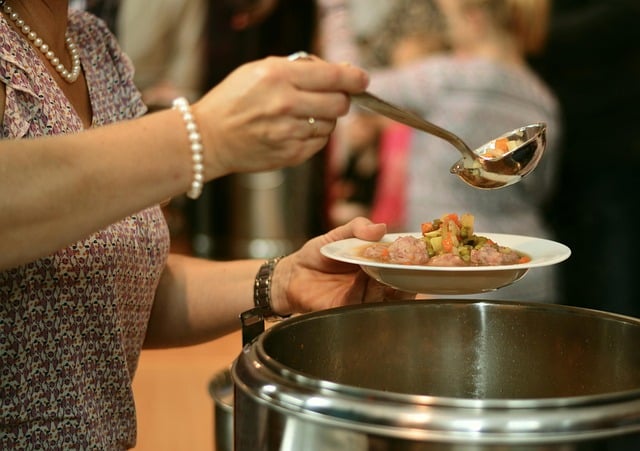
Whatever happened to West Virginia’s push to let needy West Virginia families use food stamps for hot, healthy foods?
Who knows. Maybe not even the state agency that would have administered it.
A year ago, West Virginia pursued a federal waiver for what’s eligible for purchases through the Supplemental Nutrition Assistance Program: eliminate eligibility for sugary drinks like soda but broaden use for foods considered hot, healthy and ready-made.

At the time, Gov. Patrick Morrisey expressed excitement about the balance. He touted the potential for giving low-income families a cost break on healthier food options that stick to the ribs.
“For a long time I’ve talked about the fact that SNAP — the N should stand for nutrition,” Morrisey said.
“Well, now it’s going to, even more than you’ve seen in the past. We’re promoting healthy bundles. That’s fresh produce and lean meat, and good opportunities for some hot foods for West Virginians for some products that you’ve never been able to have before.”
State officials wound up splitting soda and hot food into separate waiver requests.
Last August, federal officials approved West Virginia’s request to stop SNAP benefits from being used to buy soda pop. Then, a couple of months ago, a U.S. District judge ruled that the federal government exceeded its legal authority when it approved waivers for states like West Virginia barring participants from buying foods such as candy and soda through the food assistance.
West Virginia formally paused its ban on using SNAP for soda.
The hot foods request, meanwhile, slid under a heat lamp.
The West Virginia waiver request proposed to tie eligibility to a limited, pre-approved list of product codes or item categories to be flagged at the point of sale. Those would have included:
- Rotisserie chicken
- Meatloaf
- Barbeque ribs
- Pulled pork, chicken or beef or BBQ brisket
- Shepherd’s pie
- Pot roast
- Baked pasta dishes such as lasagna
- Hot, baked or grilled fish such a salmon or tilapia (must not be breaded or fried)
- Vegetable-based soups/stews, such as minestrone, lentil, chicken, vegetable
- Non-cream, broth-based soups/stews such as beef or chicken noodle
- Lean meat & vegetable combo meals
- Steamed or roasted vegetables, such as green bean, carrots, broccoli, corn on the cob
- Whole-grain side dishes, such as brown rice, quinoa, black beans, Spanish rice or rice pilaf (as part of hot meal)
- Baked potatoes
- Egg rolls or spring rolls
- Breakfast scrambles that are egg and vegetable based
“These changes will expand the availability of healthy food options for vulnerable populations,” West Virginia officials wrote in the request.
“The hot foods selected for this waiver were chosen based on containing vegetables and healthy grains while restricting higher calorie options such as fried foods.”
The anticipated implementation date was proposed to be Jan. 1, 2026.
Yet there never seemed to be an outcome.
Had it been sent back to the kitchen?
Did it get pushed into refrigerator disorder like half-remembered Friday takeout?
West Virginia MetroNews wanted to know more about West Virginia’s request and any kind of back and forth for state and federal officials to try to figure out how it could work in practice.
How strict was the definition of Shepherd’s Pie? Did anyone quibble about what hot or healthy mean? After all, West Virginia had promised to “avoid foods that are breaded, deep-fried, smothered in cream sauces,” according to the waiver request. Was there an impasse over who could possibly judge how much cream sauce constitutes smothering?
So last August 21, MetroNews sent a Freedom of Information Act request to the West Virginia Department of Human Services, Bureau for Family Assistance, asking for copies of public records related to the state’s waiver request allowing for hot, healthy foods to qualify as SNAP purchases.
The request included, but was not limited to:
• The initial waiver application for hot, healthy foods
• Any feedback or response received from USDA or the Food and Nutrition Service (FNS) concerning this hot foods waiver request.
• Any subsequent modifications or amendments made to this specific hot foods waiver application.
• Any internal documentation detailing the specific hot food items proposed for eligibility, such as rotisserie chicken, meatloaf, barbecue ribs, baked pasta dishes, and steamed or roasted vegetables, among others, as outlined in the state’s request.
• Any communications or analyses related to the rationale for the proposed changes, including the goal to expand healthy food options for vulnerable populations while restricting higher calorie options.
The state first responded August 22, the day after the request was sent, expressing anticipation of a formal response no later than Sept. 29, 2025.
But then, every month for the past twelve months, the state has responded with an email saying, “We are still researching to determine if we are in custody of any responsive documents regarding your request.”
That was the response last September, then in October, twice in November, a break for December, turned the calendar to January, blustered through February, blew into March, poured into April, then May, June, July and finally circled back to a year in August.
West Virginia’s freedom of information statute does include an exception related to “internal memoranda or letters received or prepared by any public body.” But the state never cited that. Every month, the state just said it would have a better answer next month.
In the most recent response, the Department of Human Services says it anticipates having a formal answer about meatloaf and pot roast by Sept. 10, 2026.
As always, the department concludes by saying, “We appreciate your patience. If you have any questions or concerns, please feel free to reach out.”