

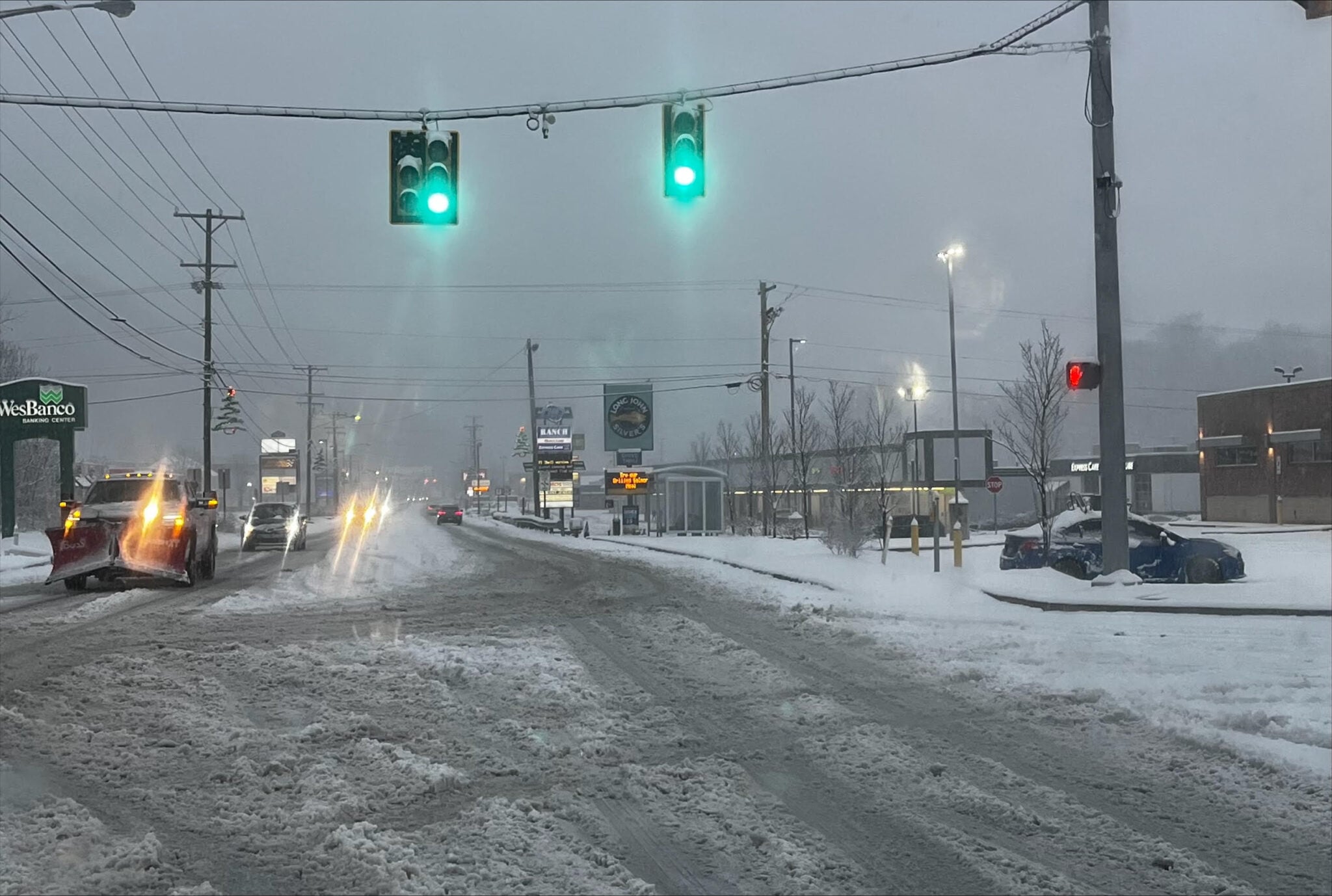
CHARLESTON, W.Va. — The pilot program to use contractors for snow removal in parts Monongalia and Preston counties is getting a review after its first year of operation.
The law, which came from House Bill 2960, covers roads in and around major medical facilities in Morgantown and major arteries leading into Preston County.
During legislative interim meetings this week, state Department of Transportation Secretary Todd Rumbaugh said during the first year of of the program contractors did far less for much more money. Rumbaugh told lawmakers private forces cleared about 150 miles of roadway at a cost of about $46,000 per mile compared to about 1,700 miles at a cost of about $5,000 for the DOH per mile.
“In Monongalia County the contractor only did 79.25 miles, and District 4 did 667.43 miles,” Rumbaugh said. “In Preston County, they did 77.21 miles, and District 4 did 1163 miles.”
State Senator Mike Oliverio, R-Monongalia, suggested the increased cost could be associated with one-time equipment purchases that might not be reflected in the bid for year two. Residents noted and reported a huge improvement in winter road conditions during the first year of the program, according to Oliverio.
“We really want this to be a success,” Oliverio told Rumbaugh. “You pointed to some numbers that raise your concerns, and we just want your cooperation to help the program become a success.”
Rumbaugh said he supports the program and making it a statewide effort would be great if the state could afford it.
The contract for the first year of the program was awarded to Morgantown-based Anderson Excavating, LLC—the only bidder in year one. Rumbaugh said more than one contractor has submitted a bid for year two and the added competition could bring the contract price down.
“We don’t have the results yet this year but we are glad to say we have more than one bidder,” Rumbaugh said. “We have multiple bids, so it will be interesting to see what the cost will be; the last year of the pilot program.”
Oliverio said the program has improved travel conditions for thousands of medical professionals and the patients that need their care. Additionally, having the roads cleared for WVU athletic events most of all ensures safety but also helps the university maximize attendance opportunities.
“I can tell you with a Level I trauma center in our district and hundreds and hundreds of hospital beds, being able to clear the roads leading into those hospitals is very important to get the workers there and to get the patients there,” Oliverio said.
Whether the pilot program will continue after the second year remains a question.
Rumbaugh told lawmakers he expects the days of general revenue surpluses will likely come to an end. Things like the $100 million added to road maintenance at the end of the fiscal year may no longer be an option if lawmakers change the revenue structure to reduce month-to-month surpluses.
“There’s not going to be as much going out,” Rumbaugh said. “A lot of things are going to change; we’re going to have a lot of paving we’re not going to be able to do.”