

ELKINS, W.Va. — Wildlife food sources for 2026 won’t be as abundant as they were a year ago, but the overall production of forage fruits and nuts in the state is adequate to sustain critters through the year. The research team at the West Virginia Division of Natural Resources has completed its 55th annual mast survey for the Mountain State.
“I’d say it’s a pretty standard year. Compared to last year we are down, but last year was a pretty good year across all of our hard mast species,” said Avery Echevarria, lead author of this year’s survey.
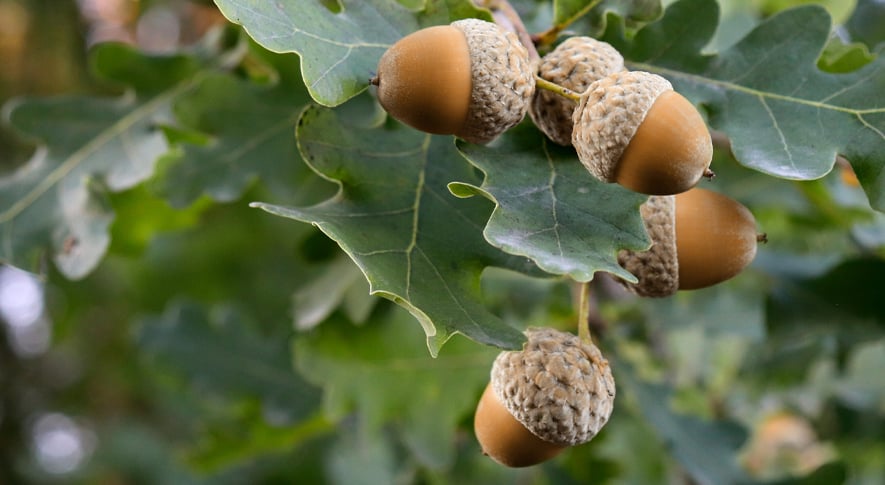
The overall mast species combined is 14 percent below the statewide long-term average and 16 percent lower than the 2025 production. The report showed acorn production dropped from 2025 and from the long term average. Black oak and red oak had the largest decrease at 58 percent. Chestnut oak was equal to the long-term average and white oak, which is the preferred food source of most wildlife especially whitetail deer, was up by 8 percent for the year.
“When you’ve got abundant food it’s stable across all species, they’re not going to be moving as much. For this year with hard mast being down, it should be better than last year as far as seeing animals,” said Echevarria in a conversation on West Virginia Outdoors.
Researchers determined the hickory, black cherry, and oak mast index was 17 percent below las year but equal to the long term average.
“A big part of that is the black cherry that hit pretty good across all parts of our regions this year. So that’s what’s probably bringing that up average a little bit there,” she explained.
Summer rains were a big boost to the development of the soft mast, but cherry seemed to have had its best year in a long time. The abundance will be especially good for wildlife in the state’s higher elevations where it’s one of the main staples. The heavy summer rain also spurred growth of ground cover as well for the small game species.
“I’d say especially for rabbits that consistent rainfall is going to help them provide a lot of vegetative cover to help hide from predators,” she said.
According to the results of the survey soft mast production was up compared to 2025 by 25 percent, but it was slightly below the long-term average. The report noted apple and crabapple were down, but other species of soft mast varied from one region to the other.
A lower year for hard mast is not necessarily a bad thing. The agency also produces a hunting outlook with the mast survey. Echevarria believed the lack of widespread mast would cause wildlife to move more than usual which is typically better for hunters. When wildlife have abundant food everywhere, once they find a source, they’ll typically stay in that area with no need to relocate.
“Black bear should be similar to last year, the archery harvest should be up, but the firearms harvest may be down,” she explained.
“Whitetail deer should be up for this year, it was pretty much down statewide last year, but we had some concerns with EHD which left some hunters not going out as much as they would. Wild turkeys should be fairly similar. We’re a little down on mast, but preliminary estimates from our brood surveys over the summer and it looks like they were doing pretty well,” she said.
You can read the complete mast report and hunting outlook report here.