

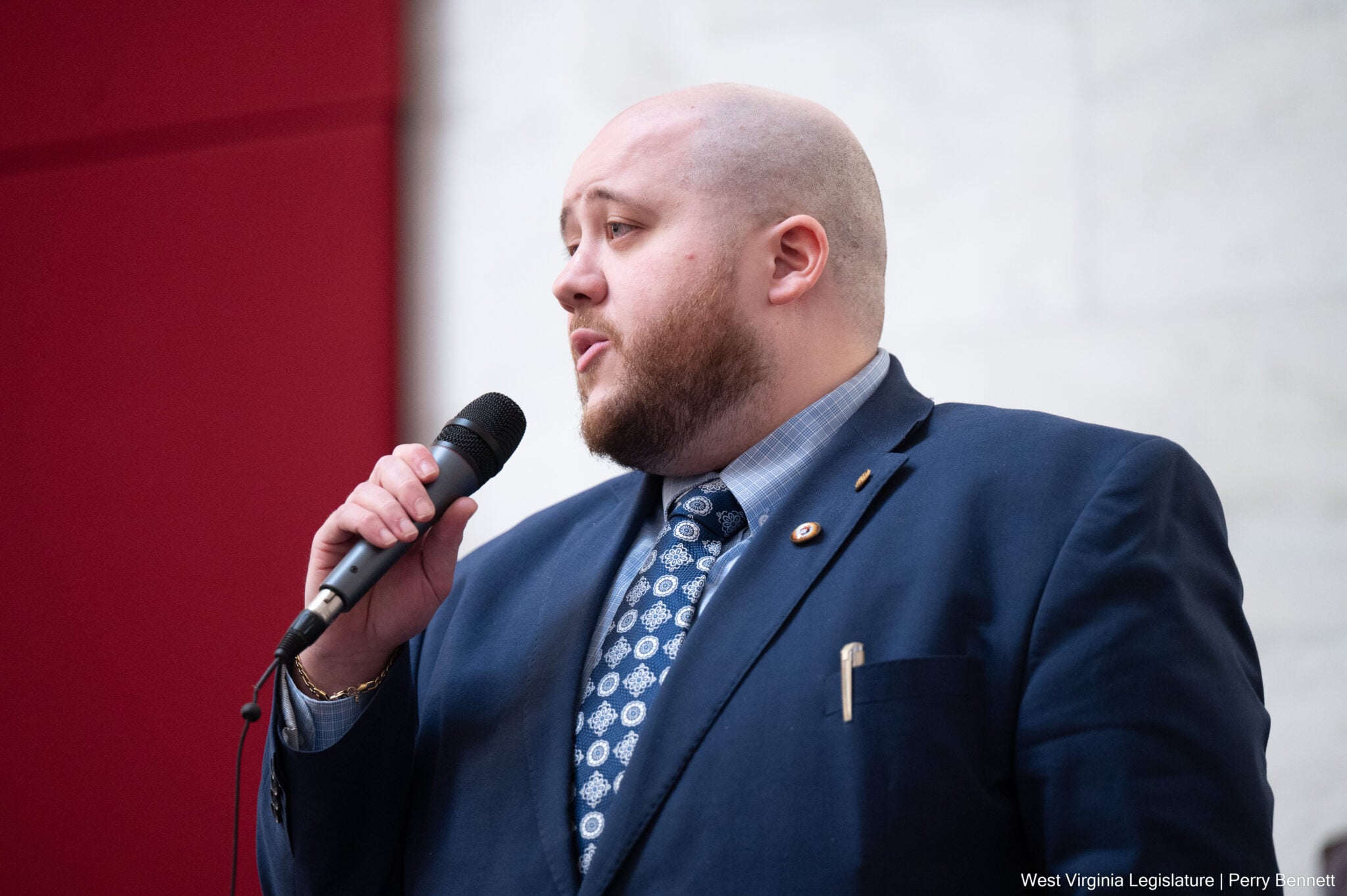
MORGANTOWN, W.Va. — Gov. Patrick Morrisey has signed a bill sponsored by a Monongalia County delegate that continues drug screening in the federal Temporary Assistance for Needy Families (TANF) program.
On MetroNews “Talkline” recently, Chiarelli said the bill extends a measure originally passed in 2017. He explained that it’s about making sure the money is used for the intended purpose: to help, not to enable, bad behavior. The programs are intended to be short-term vehicles to help people and families add stability and purpose to their lives, not an ongoing income source with no requirements.
“When I’m looking at government programs and dollars being used for whatever purpose, I expect a certain return on investment,” Chiarelli said. “When I think about people being able to receive these funds, I need to know they’re being used for the stated purpose.”
There are about 23,300 on the TANF program, and about 2,200 were referred to the drug testing program based on their answers to a questionnaire regarding past drug use and convictions. The testing program identified more than 200 people on the program that were positive for drug use.
“To me it really doesn’t seem like a punitive measure; it’s more of trying to find out how we can get you back on track,” Chiarelli said. “You’re applying for TANF, cash assistance; you need some help, and we want to make sure we address all points in your life that may reintroduce stability.”
The cash payments have to come with some expectation of progress and improvement, according to Chiarelli. The government has an obligation to the taxpayer and the person receiving assistance to get treatment and services when they are in need, not just a handful of cash.
“It can’t just be you’re down on your luck, so here’s some cash,” Chiarelli said. “If that worked, you would never have homeless people on the street corner asking for money; I think it’s a lot more in-depth than that.”
The cost of the program is not a concern, and there are new, cheaper testing measures the legislature is willing to allow the administrators of the WV WORKS program to use. Chiarelli said the $4,100 average expense per year is money well spent.
“Spending $41,000 over the last 10 years for the peace of mind in knowing the people looking for government assistance are being drug tested doesn’t seem like the biggest cost in the world to me, especially compared to the government expenditures that we see.”
The more than 200 people who tested positive are not just sent packing. Rather, those people are moved into a more intensive counseling program that can lead to their reinstatement to the program.
“It is a useful opportunity to discuss the intended pathway back to eligibility alongside questions about whether applicants’ access and complete treatment,” Chiarelli said. “We don’t want to punish for the sake of punishment.”