

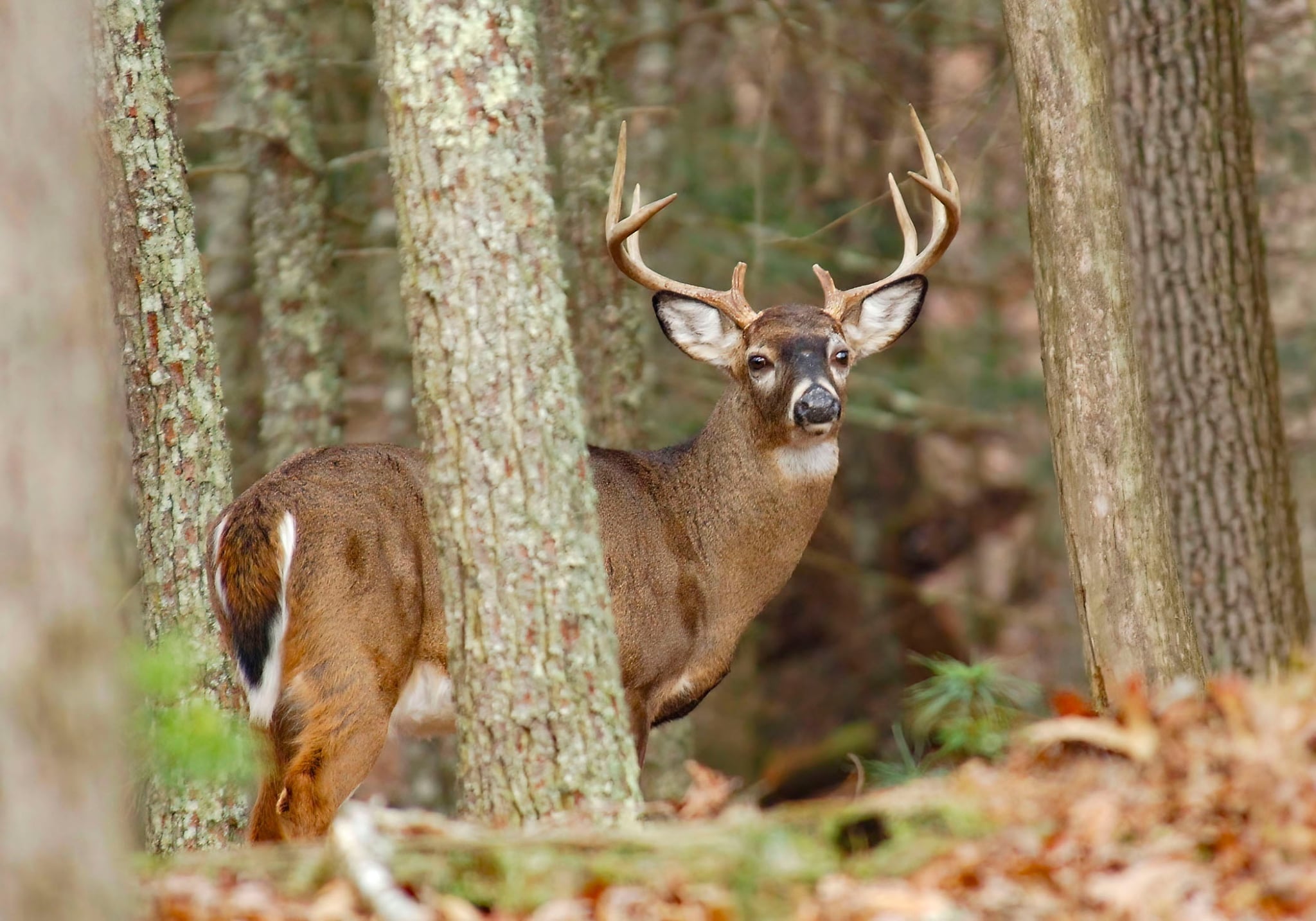
CHARLESTON, W.Va. — It’s the most popular hunting season of the year as the firearms season for whitetail bucks opens up across West Virginia this morning. The two week season runs through December 6th, but the bulk of the deer to be killed during the season will fall during the first three days.
“It really should be a good week or two of hunting. Deer-wise, there are plenty of deer out there to be harvested. As long as hunters put in the work they should be able to be successful,” said Brett Skelley, leader of the DNR’s Deer Project.
Thousands of hunters will descend on the West Virginia forests and fields for the season which typically brings out a lot of hunters for their only hunting trip of the year. Traditionally most hunters have success in the first day or two and are done hunting, or after about three days get tired of the conditions and give up. The weather often plays a role in the decision to not participate as well. Rainy or extremely cold weather will drive some hunters out of the woods. Such conditions have minimal effect on deer.
“I think this year, just due to our H-D outbreak last year, there will be more hunters afield this year and that definitely impacts overall harvest,” said Skelley.
There was a large outbreak of Epizootic Hemorrhagic Disease or EHD, last year in Wood and surrounding counties of the mid Ohio Valley. The disease, spread by a small biting midge, killed a considerable number of deer. Its presence also discouraged a lot of hunters from even going out last year in those counties. Skelley said while the deer there will rebound, it will take a couple of years to get back to the full numbers they had prior to the outbreak.
This year’s mast production across West Virginia will be a benefit to hunters as well. Acorn production was significantly down from the long term average. The lack of acorns will cause more deer to roam or move into open fields to feed where they may be much more vulnerable and exposed to hunters.
“Generally our oaks were down all across the state lower than what their averages are and they were spotty as well. So proper scouting for areas that have some food resources, maybe a good white oak or red oak that still has acorns hunker down around it because deer will be around,” said Skelley.
Anecdotally we are starting to see larger average sized bucks harvested in West Virginia. The Natural Resources Commission voted to reduce the number of bucks a hunter could kill in a season from three to two. The limit covers all seasons of hunting including archery, muzzleloader, and rifle season. Skelley said the regulation hasn’t been in effect long enough to determine if it has impacted the size of antlers on bucks in West Virginia, but he believed a change in attitude hunters have adopted has had a bigger impact.
“I think we were seeing that before the two buck bag limit was put into place. I talked to hunters who were letting spikes and the little four points walk to wait for something bigger,” he said.