

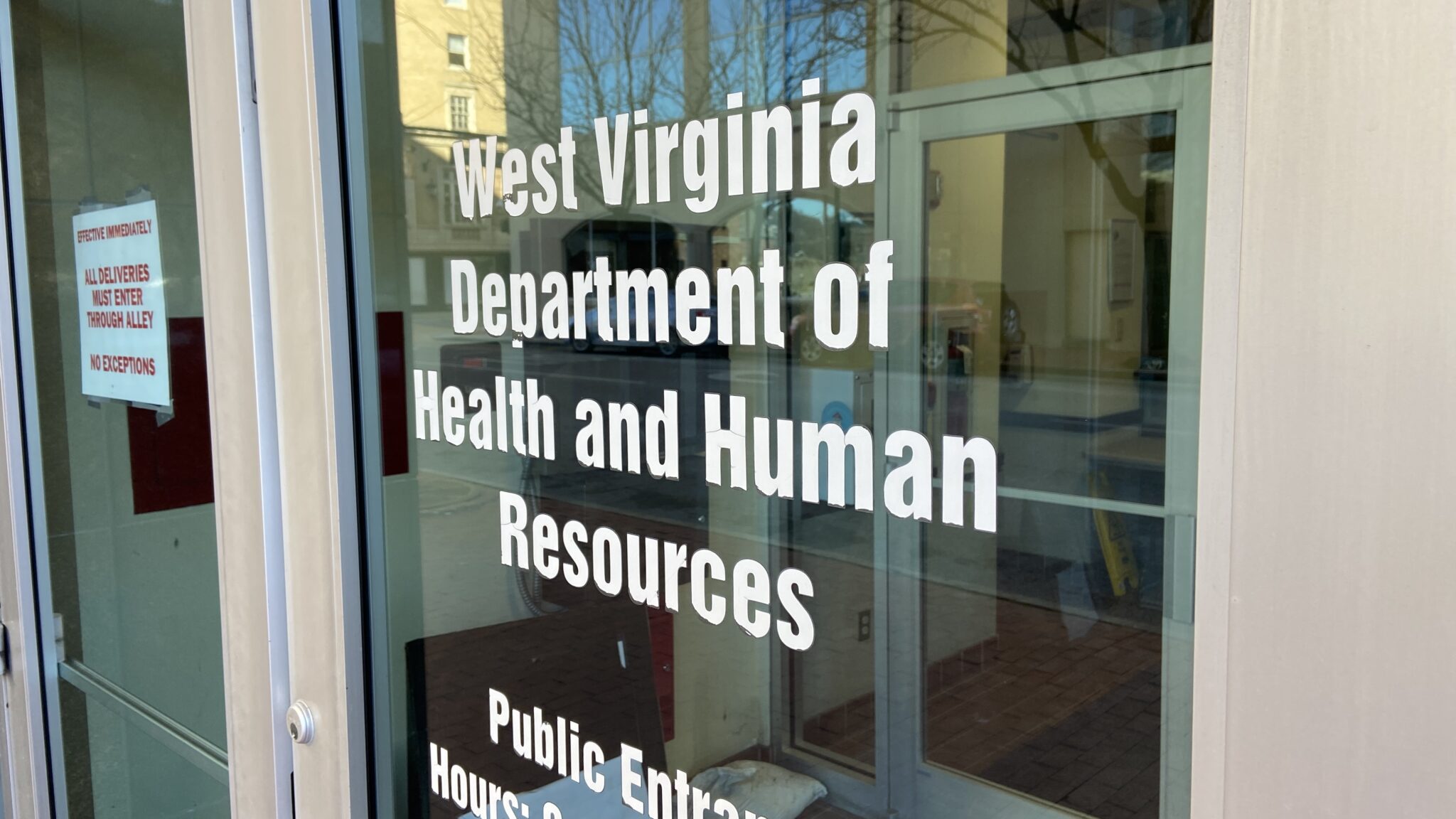
Lawyers representing state officials are expressing regret over lost digital evidence in a class action lawsuit over the foster care system, but they are also asking a judge not to apply sanctions.
“The West Virginia Department of Health and Human Resources and other Defendants deeply regret — and apologize to Plaintiffs and the Court — that certain electronically stored information potentially relevant to this litigation was not preserved despite Defendants’ reasonable effort to do so,” lawyers for the state wrote in a recent federal court filing.
Plaintiffs in the federal class action lawsuit moved for sanctions last month, saying three or more years of requested emails of officials in the Department of Health and Human Resources were purged and cannot be retrieved.
The emails included ones that were sent or received after September, 2020, by former DHHR Secretary Bill Crouch and by Linda Watts, former commissioner of the agency’s Bureau for Children and Families. For several agency employees, the trail of records no longer appears to exist at all.
“Defendants would be hard-pressed to argue that the destruction of all emails sent to and from seven high-level DHHR employees, including named Defendants, over the course of more than three years has not caused nearly insurmountable prejudice to Plaintiffs’ case,” the lawyers wrote.
State officials have said automated deletion of the emails occurred a standard 30 days after termination of the state workers’ employment. In some cases, the state has been able to replicate lost emails by using what was sent to, from or copied to others who still have active accounts.
So, for example, the state says it has been able to use those strategies to reproduce 34,582 of the 60,465 emails sought from Crouch’s account. Similarly, 118,973 of the 214,043 emails sought from Watts’ account are believed to be available through the alternative means.
Last week, the plaintiffs attorneys filed a notice of their intent to subpoena a representative of the West Virginia Office of Technology to testify under oath and supply requested documents.
A similar issue arose in a separate federal lawsuit over the conditions in West Virginia’s corrections system. In that case, a federal magistrate judge blasted state officials over their inability to produce evidence including video, cell phones, grievance reports and email from six former corrections officials whose accounts were purged. That judge had recommended a default judgment in the case, which then settled for $4 million.
The lawyers in the foster care filing take note of the magistrate judge’s default judgment recommendation in the corrections case and identify “stark contrast.” Lawyers in the foster care case contend they have tried to place litigation holds on evidence and communicated with the plaintiffs as soon as it became known that some could not be retrieved.
“Certainly this case and Rose [the jails case] highlight the need for better communication and protocols between WVOT and the state agencies that rely on it for administration and operation of their email accounts, but that is where the similarities between the two cases stop,” wrote lawyers for the state in the foster care case.
In the foster care case, defense attorneys say state officials stand ready to provide additional discovery because of other information that is not available, and the defendants say they will agree not to argue that deleted digital communications would have shown that DHHR officials did not act with deliberate indifference.
“However, Defendants strongly oppose Plaintiffs’ alternative requested sanctions that the court declare that ‘Plaintiffs have established the deliberate indifference element of their substance due process claims’ or that the Court ‘preclude defendants from moving for summary judgment on the deliberate indifference element of Plaintiffs’ substantive due process claims’ with respect to the DHHR Defendants.”
The defense attorneys called both sanctions possibilities excessive.
“While Defendants acknowledge that some emails between former officials (or between those officials and non-state employees) may have contained relevant information and should have been preserved, they are far from ‘essential’ to Plaintiffs’ claims for prospective relief, which is the standard for establishing prejudice, and there was no ‘intent to deprive’ Plaintiffs of this evidence, which is the standard for levying the type of severe sanctions the Plaintiffs seek here.”