


West Virginia officials are bracing for public reaction to cost increases for the state’s insurance that covers government workers.

“Will they fully understand? I think education is the key with anything, getting the story behind it,” PEIA Finance Board member Geoff Christian said today on MetroNews’ “Talkline.”
The Public Employees Insurance Agency is proposing significant premium increases and additional out of pocket costs for the coming fiscal year.
Public employees in the plan could face premium increases of 14% for the state fund or 16% in plans for local governments. And the agency is considering possible increases in deductibles of 40% — on average more than $300.
Additional proposed cost increases for people with the insurance, including a bump in the surcharge for spouses to $350 from the current $149, are meant to help PEIA make up a total of $113 million.
It’s happening, officials have said, because PEIA faces increased costs from medical bills and prescription drugs, especially the kind of GLP-1 drugs that can be prescribed for diabetes under PEIA. The agency halted a pilot program allowing GLP-1 drugs for weight loss.
“Everything is just lining up at one time. We’ve got pharmacy costs,” Christian said. “Plus inflation. It’s this perfect storm that’s hitting all at one time. It’s accelerating faster than I think we’ve seen it at any one time.”
The proposed cost increases were laid out during a meeting last week of the PEIA Finance Board. The full decision-making process will be laid out over additional weeks.
Another review of the proposal will occur at the next PEIA Finance Board meeting scheduled for Oct. 24. Additional valuable information will come from the governor’s estimate of total revenues due to the Finance Board on Oct. 15.
Then representatives of PEIA will take the plan out for public comment to several communities around the state in mid-November.
Dale Lee, president of the West Virginia Education Association, said it’s important for people to attend the public hearings in November and voice their concerns.
“We can’t sustain this. We can’t do this,” Lee told members of the state school board last week during a public comment session. “We have a shortage in teachers, aids, bus drivers, cooks, custodians, you name it; we have those shortages.”

Lee continued by saying, “That’s going to be expanded with the things that are coming up. Yet the Legislature will say ‘We’ve given you raises four of the past five years.’ Yes, you have, and we’ve dropped to 50th in the nation in pay. When people can drive 20 to 30 minutes across the state border to get anywhere from $5,000 to $20,000 more and now you’re adding to them increased insurance costs what do you think those numbers will be for this year and, worse yet, for next year? — because people are going to leave.”
The cost pressures for insurance have occurred after legislation passed to mandate that the insurance plans snap back to an 80-20 cost split between the government employer and insured employees. Those 2023 changes to PEIA also responded to complaints that healthcare providers were having trouble making ends meet because of the state insurance’s traditionally low reimbursement rate. Lawmakers passed a bill making reimbursement rates for medical providers up to 110 percent of the federal Medicare rate.
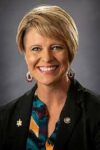
Senate Education Chairwoman Amy Nichole Grady, R-Mason, said last week on MetroNews’ “Talkline” that lawmakers had not intended for public employees to experience skyrocketing costs. Gracy is an elementary school teacher, surrounded by colleagues with public insurance benefits.
“I’m frustrated just as everybody else probably is, and my perspective not only as a policyholder but also as a legislator — when we passed Senate Bill 268 that was the 80-20 split, it was my understanding that was needed to be done to prevent large increases like this in premiums and deductibles and out-of-pocket maximums; that bringing it back to solvency with the 80-20 split would prevent these things from happening,” Grady said.
“And here we are, less than two years later, and they’re saying they need these huge increases. It doesn’t really make any sense.”
Gov. Jim Justice, a Republican who is nearing the end of his second term, had held premium increases at bay for several years through the use of a reserve fund created for PEIA to draw upon. Justice’s move came after rising out-of-pocket insurance costs were a major factor in a statewide teachers strike that lasted more than a week.
Legislation passed las year effectively halted that practice of pumping state dollars into the reserve fund.

Delegate Michael Hite, R-Berkeley, said today on “Panhandle Live” on WEPM Radio that by suppressing rate increases for a couple of years the state now faces a startling bounce-back.
“We made some mistakes with PEIA back when the governor didn’t do premium increases. Everybody else that has insurance, our premiums go up every year — and when we didn’t do premium increases with PEIA we got out of that 80-20 balance where the state was paying closer to 90, 92% and we had to get back in balance.
“A couple of years ago, we passed the legislation where we gave a raise to state employees that have PEIA about the same amount that their PEIA was going to go up — and I know a lot of people have problems with that, that it took up all the raise that they got. I get it.”
Hite continued by saying, “but all the rest of the world sees that as well. You may get a raise from your employer but your insurance rates go up every year. That’s just how medical insurance is going nowadays.”