

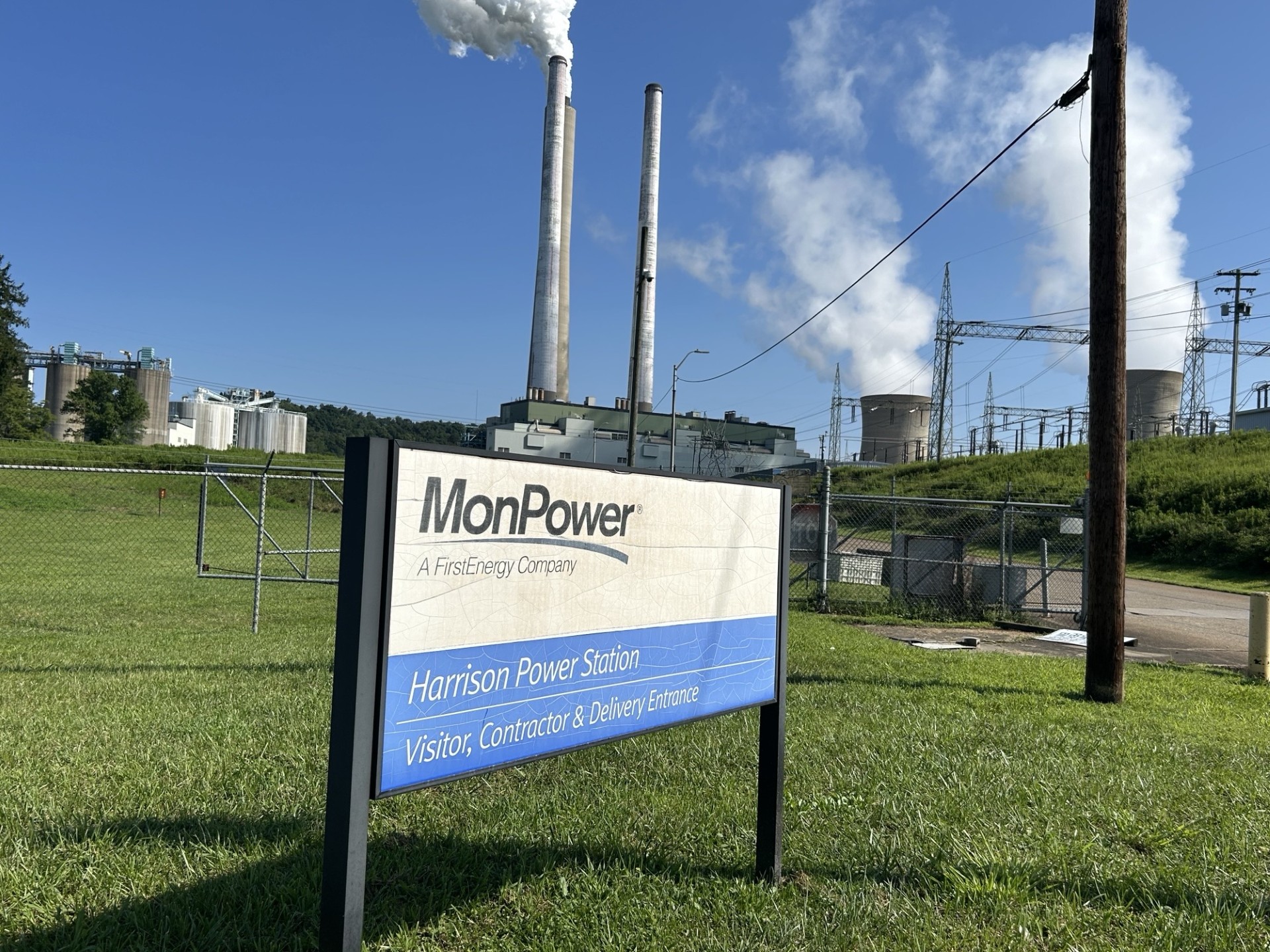
MORGANTOWN, W.Va. — Testimony from Public Service Commission Chair Charlotte Lane during a legislative interim committee meeting last week has the attention of Monongalia County Del. Evan Hansen.

Hansen, D-Monongalia, said based on her comments, he believes Lane should recuse herself from any debate about the future closure of coal-fired power plants and gather more data on renewable sources of energy.
Lane told an interim committee she has no plans to vote in favor of closing a coal-fired plant.
Hansen responded during the meeting, “If I understood you correctly, I believe you just testified that you would not approve shutting down a coal plant in West Virginia?”
“That’s right,” Lane answered.
Hansen said on WAJR’s “Talk of the Town” Lane has already ruled against renewable energy sources before having all of the facts.
“They need to impartially apply the law, and by saying how you’re going to rule in a case before any of the facts are presented to you is an ethical issue, so she’s going to have to recuse herself from any cases that are related to this,” Hansen said.
Lane said there’s panic in some states where they don’t have enough power generation. She said she doesn’t want West Virginia to get close to that.

“You can’t rely upon renewables because it’s not base load and you can’t rely on solar because the sun doesn’t always shine and the wind doesn’t run—so we have rely on base load and that means coal and hopefully we’re going to have natural gas generation built in this state,” Lane testified.
Hansen said there are new opportunities with natural gas, solar, and battery technologies. The technologies have developed in recent years to make alternative energy sources more effective in applications and more cost-effective for operations. Hansen said future energy needs will best be addressed with a complete list of alternatives to power the future economy.
“Natural gas-fired power is a lot cheaper now; wind, solar, and battery storage need to play a role as well,” Hansen said. “And that’s how we’re going to be able to reduce our electric rates by going to all of the above strategies.”
According to the solar resource map images and geospatial data for the United States and the Americas, West Virginia is one of the least desirable areas for solar energy production. The West Virginia skies are plagued by fog, cloud cover, and other conditions limiting the intensity of sunlight, limiting the ability to produce electricity.
“I don’t buy that argument,” Hansen said. “Everybody knows that solar is intermittent, but it still helps the grid and produces electricity when electric demand is at its highest.”
Hansen said states like Colorado, New York, and Ohio are moving aggressively to fossil fuel-free energy generation. The conversions have happened over an extended period of time, and Hansen would expect the same approach in West Virginia.
“There are states that are providing 20, 30, 40, and 50 percent of their electricity through renewables now,” Hansen said. “I’m not saying we need to move to that level of renewables in West Virginia in the short term, but it does show that it’s possible.”
Lane did tell lawmakers she didn’t expect coal-fired plants to be around forever.
“Coal will have to be replaced by something else and hopefully that can be nuclear, it can be natural gas, but until then we have to keep those coal-fired plants open to keep the lights on.”
Hansen said batteries could also be an option. He said Weirton-based Form Energy began to deploy the first 100-hour iron-air batteries for commercial use in October. He said increase in demand for electricity caused by the AI boom has the company rethinking the near-term demand for the battery.
“Batteries that are starting to be sold to electric utilities in other nearby states,” Hansen said. “These are batteries that could store electricity for four days and could play a big role.”