

MORGANTOWN, W.Va. — The three-year-old higher education funding formula impacting the state’s colleges and universities is beginning to hit its stride.

Lawmakers passed a bill in 2023 that created a performance-based funding model for higher education funding and now, for the first time, the program has been fully funded.
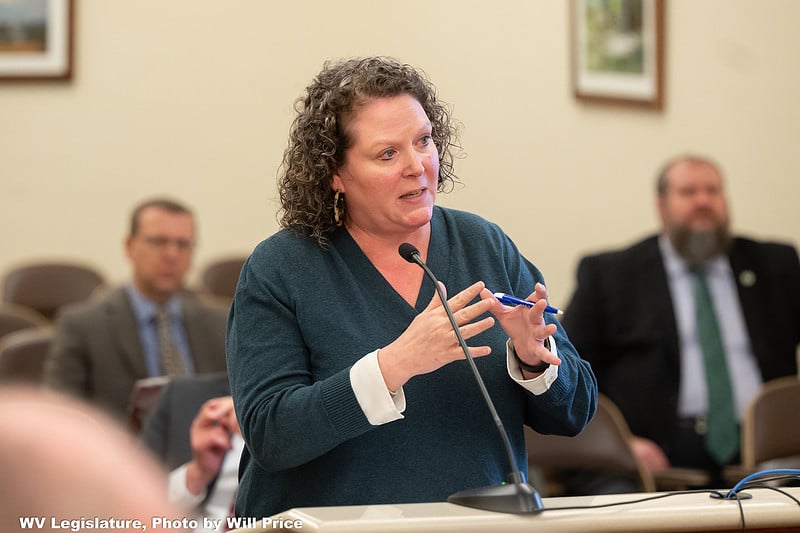
State Higher Education Chancellor Dr. Sarah Armstrong Tucker said she’s thankful for the support of Gov. Patrick Morrisey and lawmakers.
Tucker said the new system provides order and structure to a process that was run largely “under the counter.” Funds were passed to higher education institutions without any goals or a review of how effective the funding allowed them to be.
“I hate to say it this way, but it’s the truth—higher education funding was based on who knew the finance chair at the time,” Tucker said on WAJR’s “Talk of the Town.” “There was no rhyme or reason; it wasn’t based on enrollment or outcomes.”
The new formula is based strictly on outputs by the institution, according to Tucker. Now, institutions are evaluated based on how many students are moving through programs on schedule, graduation rates, and relevance of degrees.
“Things like information technology (IT), manufacturing, and healthcare are prioritized; colleges get a bump for the graduates they have in those areas,” Tucker said. “It also provides colleges more money if their graduates stay and work in the state of West Virginia.”
The legislature set up the system in 2023, and administrators have adjusted their operations. Colleges and universities are carefully reviewing programs, progress, and outcomes to put themselves in the best possible position in the scoring matrix.
“They’re really looking at the outcomes in the funding and trying to maximize the funding they can receive from it,” Tucker said. “And that’s exactly what the legislature intended this formula to do in the first place.”
The formula is on a five-year cycle, so it can be changed or tweaked based on changes in the economy, job market, or learning trends. That review is also done in an open forum involving the leadership from the institutions across the state.
“We’ll bring all of the presidents together and take a look at how the funding formula is working and has worked and look at tweaks we need to make, and certainly we’ll look at the economy,” Tucker said.
Business and industry across the state also have input on the formula process. Companies like NUCOR have a close relationship that allows them to understand the needs of the workforce in order to make the higher education tweaks to keep the system running effectively.
“We are in very close contact with companies as they move in but also companies here in the state trying to grow or just to replace retirees,” Tucker said.