

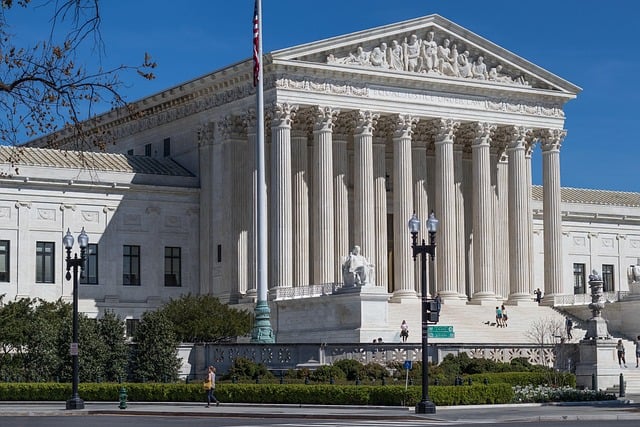
Attorneys for the State of West Virginia are asking a federal district judge to pause consideration of a big lawsuit over foster care while they pursue a review by the U.S. Supreme Court.
Last year, U.S. District Judge Joseph Goodwin dismissed a class action lawsuit about conditions in West Virginia’s foster care system, concluding the federal court system does not have the jurisdiction to set the kind of detailed policies that are properly carried out by the other branches of government.
Last month, a panel on the Fourth Circuit Court of Appeals reversed the dismissal and sent the case back to Goodwin.
Now the West Virginia Attorney General has entered a motion for stay in Goodwin’s court. Lawyers are asking the judge to pause district court proceedings, or at least additional discovery, “pending resolution by the United States Supreme Court of a petition for a writ of certiorari that Defendants intend to file.”
Lawyers for the state wrote, “Defendants’ petition is due September 2, 2026, which in the normal course would result in disposition of the petition sometime in November 2026.”
The U.S. Supreme Court picks and chooses the cases it hears. At least four of the nine Justices must vote to accept a case for the writ to be granted.
The Supreme Court typically grant such writs only for cases involving issues of national significance, to resolve conflicting decisions between lower courts or to address significant departures from established legal procedure.
West Virginia has long had a crisis involving children being removed from their homes. The dashboard maintained by the state shows 5,890 child welfare placements currently.
The foster care lawsuit was filed in 2019 on behalf of thousands of children. The suit was filed by A Better Childhood, a national child advocacy organization, Disability Rights West Virginia and Shaffer and Shaffer, a West Virginia law firm.
The lawsuit alleged rampant issues with institutionalization for children, placement outside of West Virginia, too few available community-based mental health services and overextended caseworkers.
Lawyers for the State of West Virginia have contended the state has steadily improved its child welfare system to the point of undermining the plaintiffs’ allegations.
The case had been set for trial on May 6, 2025.
On Feb. 28, 2025, Judge Goodwin dismissed the case, saying the Constitution “does not allow judges to develop public policy, write budgets, hire caseworkers, or administer state agencies.”
Justices on the Fourth Circuit Court of Appeals reviewed the case and ruled that the children have constitutional standing because their allegations of systemic abuse, neglect and understaffing constitute ongoing injuries that may be considered through judicial intervention.
The majority on the Fourth Circuit panel held that “Plaintiffs’ requests fall well within the boundaries of lawful injunctive relief,” and that the issues raised by the district court were “perhaps valid public policy concerns” but not a “legal bar for redressability.”
The decision permits the lawsuit to proceed toward trial to address the welfare of thousands of vulnerable children.
Now the state Attorney General is seeking a Supreme Court review on a couple of issues. One is whether systemic reform of West Virginia’s foster care system can be imposed by the federal courts. The Attorney General’s Office say that would amount “to complete federal control of the state foster care system.”
They also want to pursue a separate but related question of whether the Fourth Circuit panel erred in not reviewing the class certification.
The law firms representing the children say the district court activities should go on.
“We will be opposing the defendants’ motion for a stay,” said Marcia Lowry, lead attorney for A Better Childhood.