

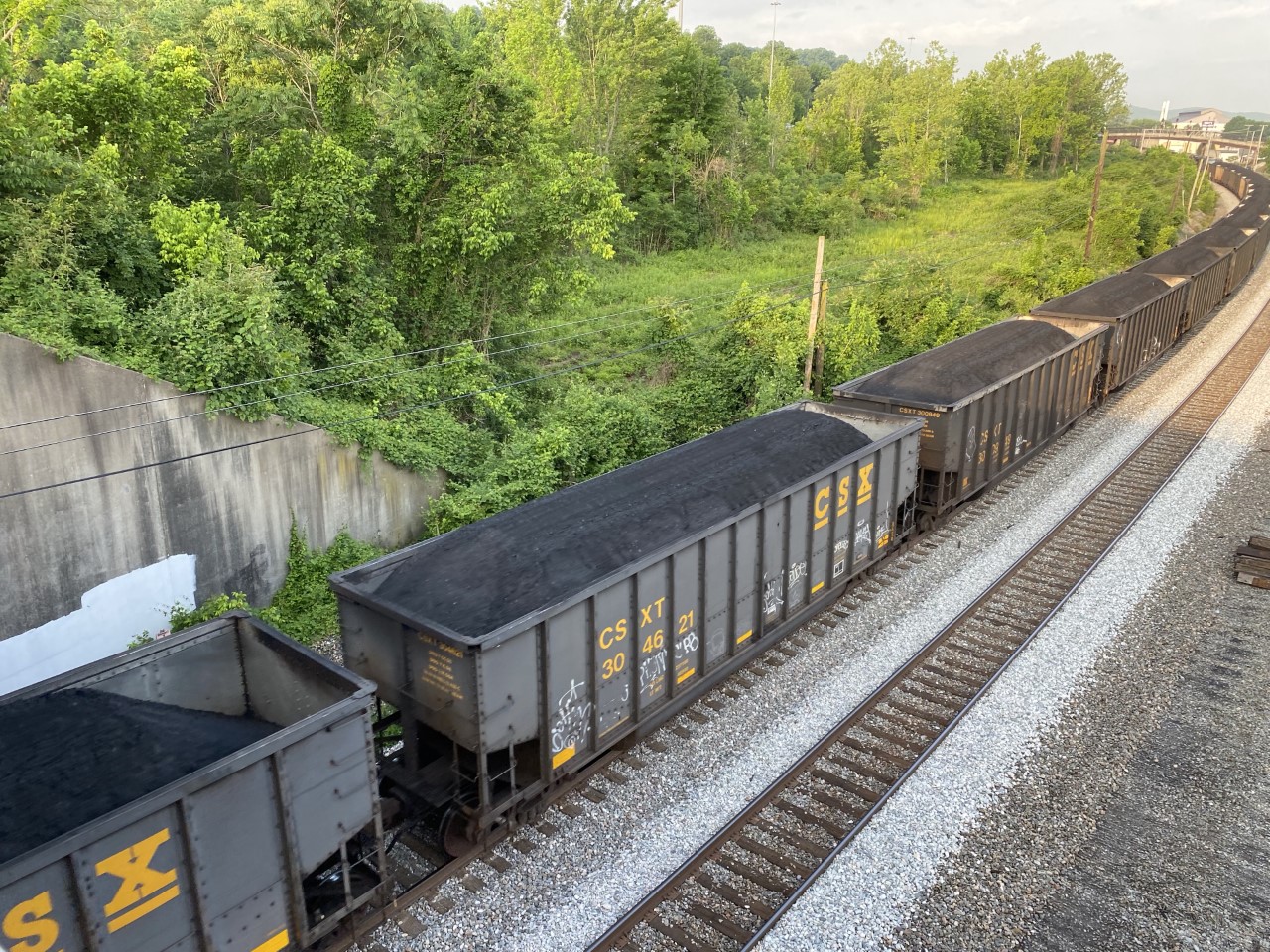
CHARLESTON, W.Va. — A group of metallurgical coal producers is taking a “wait and see” attitude on China’s announced 15% tariff on met coal.
China announced the additional tariff last Monday after President Donald Trump announced an additional 10% tariff on goods made in China.

Met coal, also called coking coal, is used in the production of steel.
Metallurgical Coal Producers Association President Ben Beakes said his group isn’t pushing the panic button because there’s so much that is unknown.
“The tariff deals and announcements literally change by the hour,” Beakes told MetroNews. “We don’t know what the final product will be after negotiations are had.”
House of Delegates Speaker Roger Hanshaw expressed concern as to how the tariff would impact coal production in West Virginia and ultimately state revenues.
“That remains uncertain to us,” Hanshaw said Friday during the Legislative Lookahead preview sponsored by the West Virginia Press Association. “We’ll have to see how that evolves over the next budget cycle.”
Beakes said the Chinese export market for met coal mined in West Virginia and other states is a “unique market.”

“There are other markets that are more strategic for us, more natural markets. So when we look at the Chinese market for metallurgical coal, it’s not a market that we are depending on year in and year out just because it’s always been volatile and it’s always had its challenges,” Beakes said.
Europe, India and Brazil are more stable and strategic export partners for met coal producers, Beakes said.
Thee’s between 65 and 75 million tons of met coal produced a year in the U.S. with 75% placed on the export market.
“It’s very critical for our operators and our workers,” Beakes said.
Stability and certainty are important. Beakes said there’s currently not that kind of relationship with China.
“What they want to deal with steel production fluctuates very frequently. Their relations with Australia and affect it,” Beakes said.
For example, following the covid pandemic in 2021, U.S. producers exported 11.5 million tons of coal to China, tied to China’s ban on Australia coal. But US exports shrunk to 2.5 million the next year. It then jumped to 10.7 million tons in 2024.
“It is not a market that they (coal producers) look to depend on,” Beakes said. “We just take advantage of opportunities that are presented but it’s not something that we strategically look to have a trade partnership with,” Beakes said.
Hanshaw said how it all plays out is something the legislature needs to keep an eye on during the coming months.
“We do recognize it and we do know there will be impacts with that. We know we haven’t seen perhaps even the beginning yet of how our federal budget will shape and influence what we do here in the state of West Virginia,” Hanshaw said.